The Sound of Silence Before the Storm
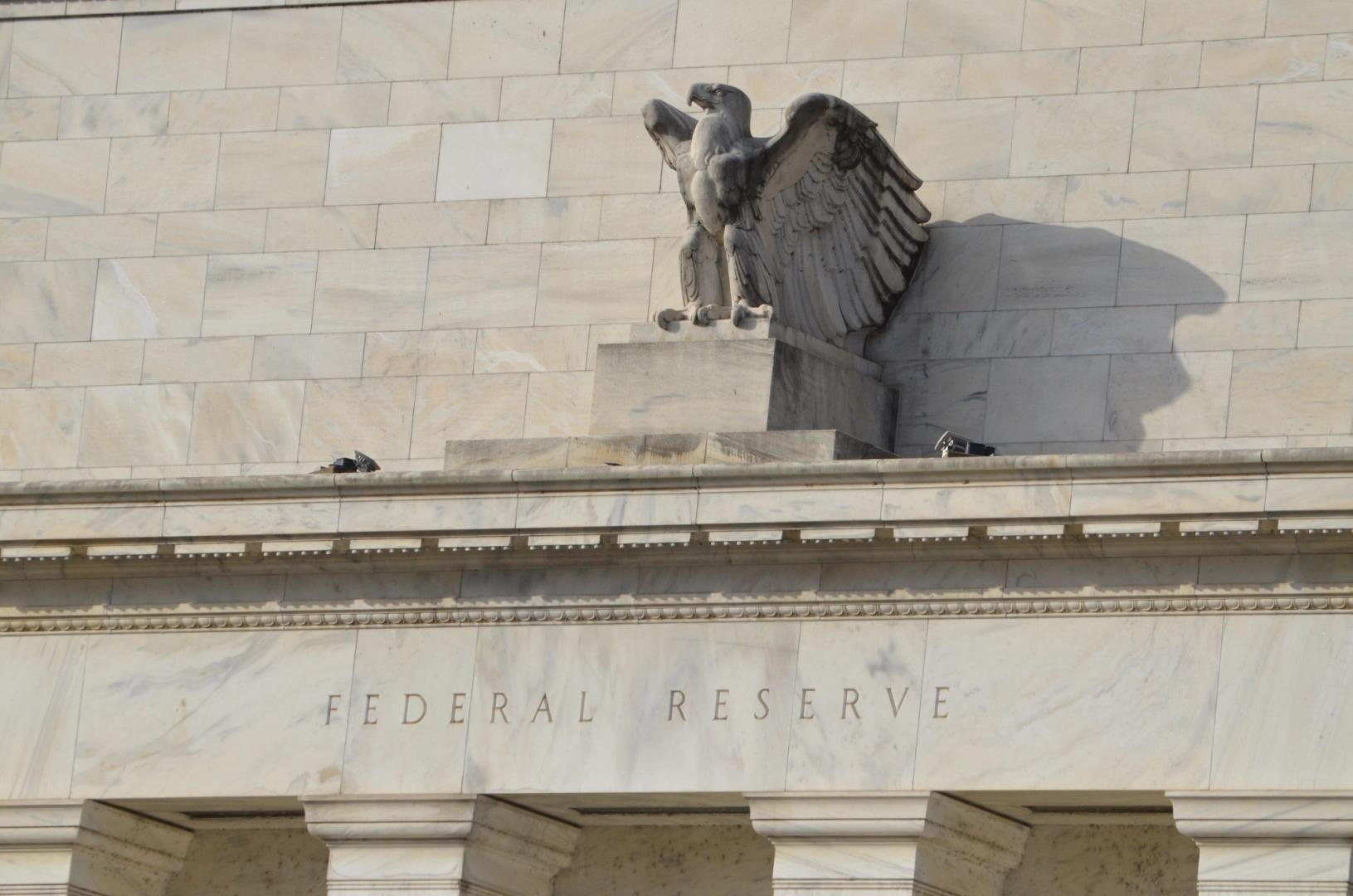
If you have been building in this space long enough, you know that silence is usually the loudest warning sign. Right now, the Bitcoin options market is remarkably quiet. Traders, who are usually scrambling to buy insurance before a Federal Open Market Committee meeting, are doing the exact opposite. They are letting their hedges expire and walking into one of the most significant macro events of the summer completely exposed.
Looking at the data, the put-call ratio has plummeted. It was sitting at a cautious 0.76 just a few weeks ago in late June, and now it has collapsed to around 0.52. In plain English, for every person betting that the price will drop, there are nearly two people betting it stays stable or climbs. Even more telling is the cost of one-week downside protection. It has essentially evaporated. The market believes that Jerome Powell and the Fed have already telegraphed their next move, and nobody expects a surprise that would shake the tree.
The Founder Perspective: Why This Matters to You
As builders, we often get caught up in our own roadmaps, Sprints, and hiring cycles. But the macro environment dictates the liquidity that fuels our ecosystem. When traders stop hedging, it usually means they are complacent. They assume they know the outcome. Historically, when the entire market settles on a single narrative, that is exactly when a volatility spike catches everyone off guard.
For those of us running companies or building protocols, this internal market sentiment shift is a double-edged sword. On one hand, a stable Bitcoin price usually leads to a better environment for fundraising and user acquisition. Investors are more willing to write checks when they aren't worried about their portfolio dropping 20% by Friday. On the other hand, widespread complacency often leads to over-leveraged positions that can trigger a cascading liquidation event if the Fed says even one word that sounds more hawkish than expected.
Dissecting the Put-Call Shift
The drop from 0.76 to 0.52 is not just a minor fluctuation; it is a regime change in sentiment. Puts are effectively insurance policies. When the demand for these policies falls, it means the perceived risk of a crash is at a multi-month low. This is happening despite the fact that the Federal Reserve still holds massive power over the global interest rate environment.
The options market is positioned for a boring week. But in crypto, boring is usually the prelude to chaos.
We are seeing a collapse in the price of short-term downside protection. This suggests that the professional desks—the people who actually move the needle—are comfortable with the current price levels. They aren't worried about a sudden dip back into the low ranges. They are betting on a "sideways to up" trajectory, treating the Fed meeting as a non-event rather than a catalyst for volatility.
What Builders Should Watch
If you are managing a treasury or planning an upcoming token launch, this is a moment for disciplined observation. Don't mistake market complacency for permanent stability. Here is how I am looking at this from a founder's lens:
- Treasury Management: If you were waiting for a less volatile window to rebalance or move funds, this might be it, but do not assume the window stays open forever.
- Development Cycles: High volatility distracts your users and your team. A quiet market is the best time to ship major upgrades without the noise of price action stealing the spotlight.
- The "Fed Effect": Even if the options market is calm, the language used by the Fed can change the cost of capital overnight. If they signal that rates will stay higher for longer, the recent drop in hedges will look like a massive mistake.
A Skeptic's Take on the Data
I have seen this movie before. Everyone walks into a major economic announcement thinking the path is clear. They look at the 0.52 put-call ratio and assume the smart money knows something they don't. But often, the smart money is just as susceptible to groupthink as everyone else. The lack of downside protection makes the market fragile. If a surprise occurs, there is no buffer. The selling would be fast and violent because nobody is positioned to catch the fall.
We should also consider that this might be a sign of exhaustion rather than true confidence. After months of chopping sideways and dealing with regulatory uncertainty, many traders might simply be tired of paying for expensive insurance that never pays out. This "hedging fatigue" can lead to the same numbers we are seeing now, but the underlying reason is far less optimistic.
A Final Reality Check
As a founder, your job is to build through the noise, but you also have to be the pilot of the ship. You need to know when you are flying into a storm. Right now, the radar says clear skies, but the barometer is dropping. Treat this period of low volatility as a gift, but do not build your long-term strategy on the assumption that the Fed—or the market—will remain this predictable.
The current lack of hedging is a signal that the market has priced in a "soft landing" or a neutral Fed stance. If that reality holds, we may finally see the capital injection into the ecosystem that builders have been waiting for. If it doesn't, the absence of those hedges will make the coming correction much more painful for those who aren't prepared.
The Takeaway for Builders
The drop in Bitcoin put options suggests a market that has grown comfortable with the current macro outlook. For builders, this signifies a period of relative calm to focus on product and growth. However, stay skeptical. Complacency in the options market often precedes a volatility spike. Use this time to shore up your operations, but keep your eyes on the exit if the macro narrative shifts suddenly.
Read the original at CoinDesk →