The Pivot Trap
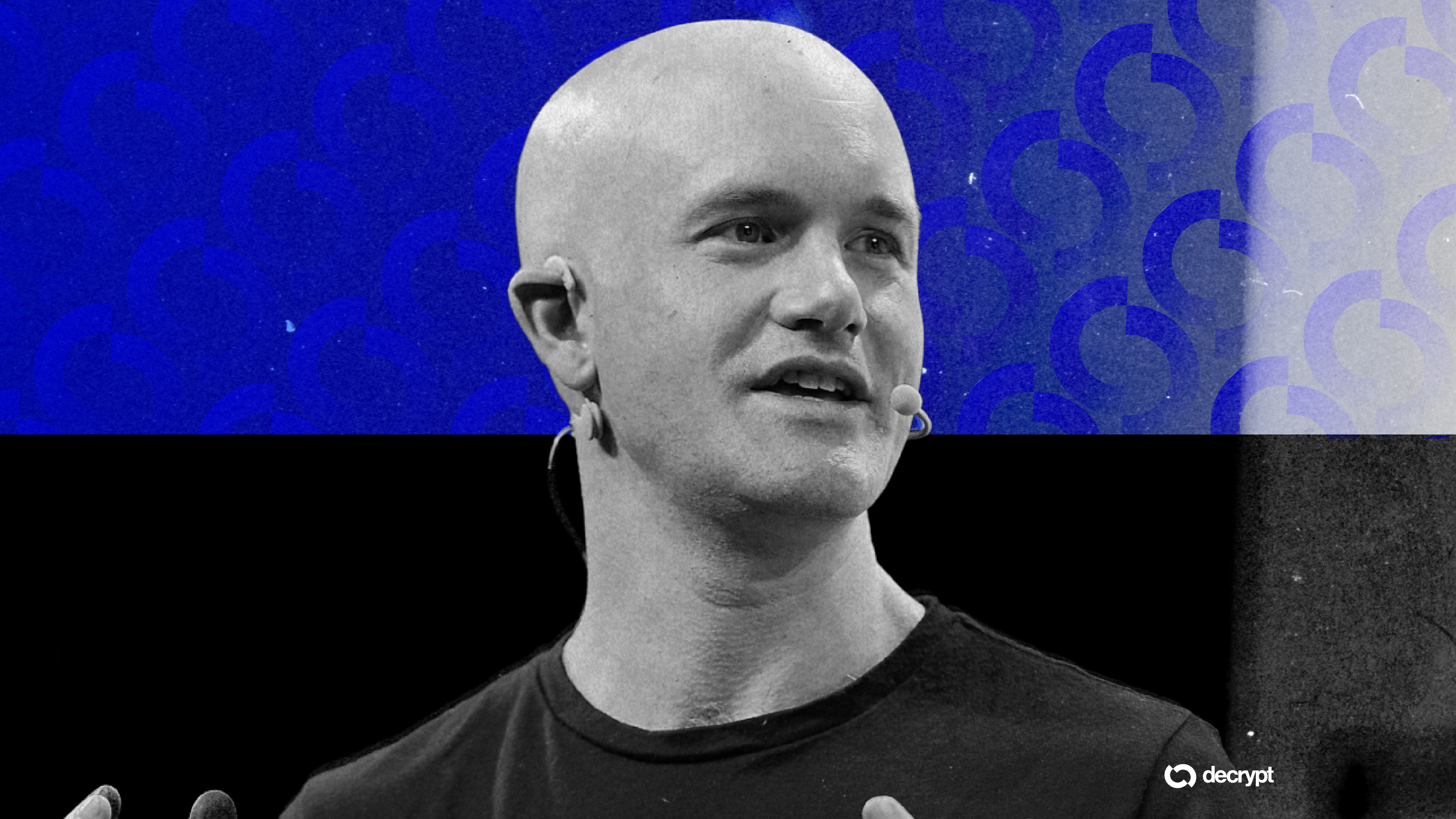
Lately, it feels like every other crypto founder is suddenly an AI expert. You see it on LinkedIn, in pitch decks, and certainly in the sudden rebrand of companies that were supposedly building the future of decentralized finance just six months ago. Brian Armstrong, the guy running Coinbase, recently threw some cold water on this trend, calling the mass migration from crypto to AI a form of zero-sum thinking. He isn't saying AI is a fad; he is saying that the two technologies are deeply intertwined, and that if you abandon the rails to chase the hype, you are missing the point.
As someone who has been in the trenches with builders for a long time, I find this perspective refreshing. We have seen this movie before. During the 2017 ICO craze, everyone was a blockchain company. During the 2021 bull run, everyone was an NFT studio. Now, the shiny object is Large Language Models. But building a sustainable company is not about following the heat; it is about solving a problem that doesn't go away when the hype cycles change. If you are a builder who thinks you have to choose between crypto and AI, you are viewing the landscape through a very narrow lens.
The Agency Problem
The core of Armstrong's argument rests on the concept of AI agents. These are not just chatbots that answer your questions; these are autonomous programs designed to execute tasks, hire services, and potentially trade assets on your behalf. Here is the bottleneck: an AI agent cannot walk into a bank and open a savings account. It doesn't have a social security number. It cannot sign a traditional legal contract at a traditional financial institution.
This is where the "crypto is dead" narrative fails the logic test. If we are moving toward a world where autonomous agents handle a significant portion of our economic activity, they need a financial system that is as digital and permissionless as they are. They need crypto. Crypto provides the native, programmable money that AI needs to actually do work in the physical and digital world. Without blockchain rails, an AI agent is effectively a worker with no wallet, unable to pay for its own compute or buy the data it needs to improve.
Infrastructure vs. Applications
I see a lot of founders making the mistake of treating AI as a replacement for crypto infrastructure. It isn't. AI is a tool for intelligence; crypto is a tool for coordination and value transfer. When a founder pivots entirely away from crypto because the market is quiet, they are often trading long-term infrastructure plays for short-term application hype. Armstrong’s point is that the most successful ventures of the next decade likely won't be "pure" AI or "pure" crypto companies. They will be companies that use AI to optimize logic and crypto to manage the incentives and payments.
For builders, this means the real opportunity is at the intersection. Think about the friction points we have in crypto today: terrible user experiences, complex smart contract logic, and the high barrier to entry for non-technical users. AI is the perfect tool to fix those specific problems. On the flip side, AI has an enormous problem with provenance and deepfakes. Blockchain is the perfect tool to verify the source of data and content. If you are ditching your crypto stack to go focus on a wrapper for a GPT model, you are competing in a saturated market and ignoring the unique leverage you already have.
The Zero-Sum Fallacy
The zero-sum mentality assumes that there is a fixed amount of innovation or capital to go around. It’s the idea that if AI wins, crypto must lose. This is a common fallacy among investors who are obsessed with narrative-driven trading, but it’s a dangerous path for founders. If you are a builder, you should be looking at how these technologies scale each other. A decentralized physical infrastructure network (DePIN), for example, provides the decentralized compute power that AI startups desperately need to avoid being locked into Big Tech cloud providers. That is not a zero-sum relationship; it is a symbiotic one.
When I talk to founders who are considering the pivot, I usually ask them one question: what is the problem you were trying to solve before AI got popular? If that problem still exists, and you’re moving to AI just because it's easier to raise money, you’re setting yourself up for a painful correction when the AI bubble finds its floor. Real builders stay focused on the problem, not the buzzword. Armstrong’s stance suggests that the infrastructure for the next billion users isn't going to be built by people chasing the latest trend, but by those building the rails that the trends will eventually have to run on.
The Founder Strategy
- Audit your narrative: Are you using AI to solve a genuine bottleneck in your crypto product, or are you just trying to appease VCs?
- Look for agentic utility: If you are building a DeFi protocol or a marketplace, ask yourself how an AI agent would use it. Is it permissionless enough? Is the API robust?
- Avoid the distraction: The core challenges of blockchain—scalability, privacy, and decentralization—haven't gone away. Solving these is what makes the AI agent economy possible.
The takeaway here is straightforward: the loudest voices in the industry are often the ones with the shortest memory. AI is an incredibly powerful tool, maybe the most powerful we've ever seen, but it doesn't replace the need for an open, global financial layer. If you're building in crypto, you should be looking at AI as your biggest customer, not your replacement. The founders who survive the next five years will be the ones who realize that the future of the internet isn't an either/or proposition between blockchain and intelligence. It’s both.
Read the original at Decrypt →