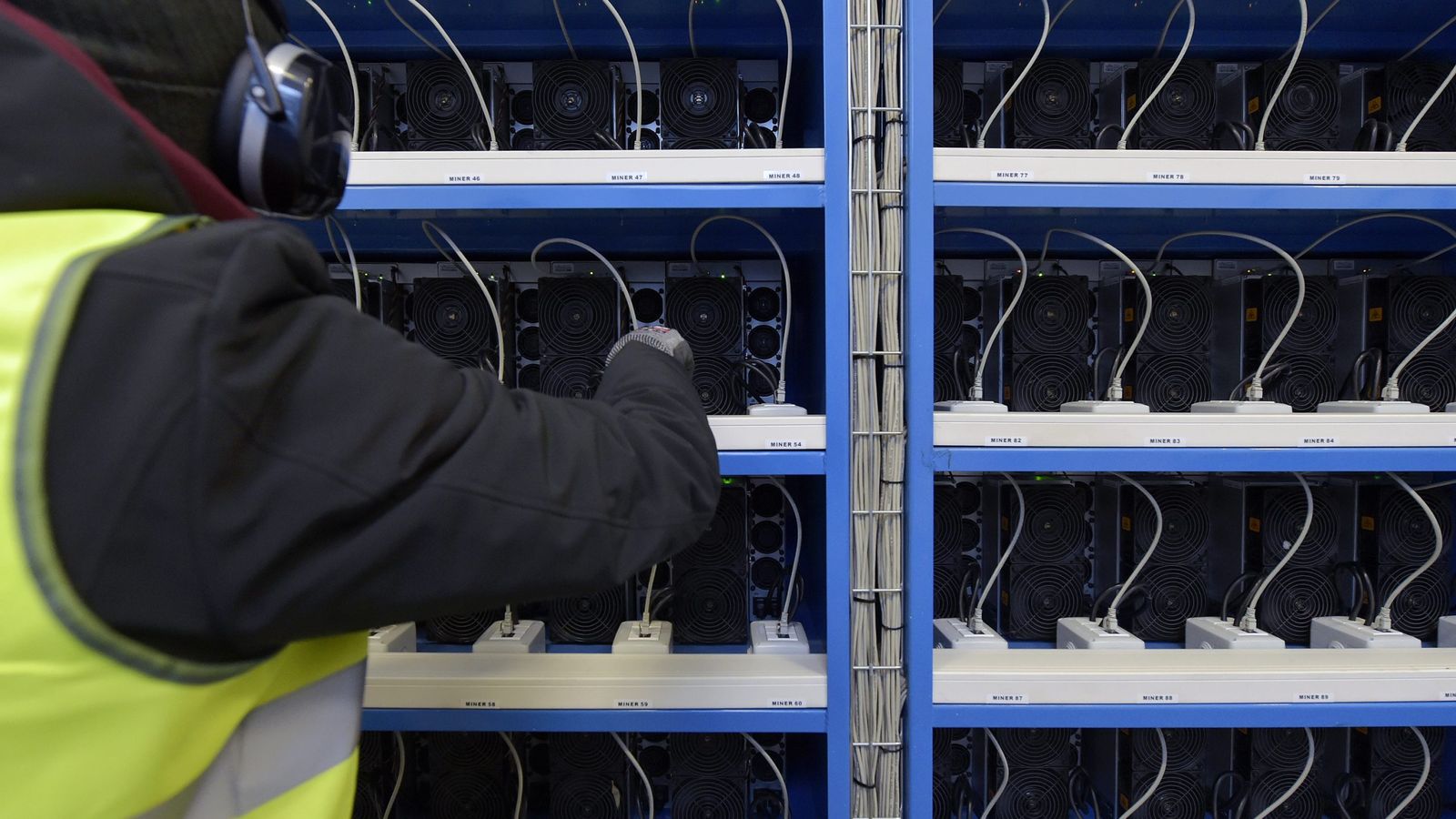
We have reached a weird inflection point in the bitcoin mining industry. CleanSpark, a firm that once prided itself on being a pure-play bitcoin miner, just dropped an earnings report that feels like a gut punch. They posted a $987 million annual loss, while their actual bitcoin production dropped significantly. If you are a founder in this space, you need to look past the scary numbers and see what the pivot actually means for the hardware cycle.
The Pivot to AI is Expensive
The core issue here is not just that mining bitcoin got harder after the halving. It did, but that was expected. The real story is the capital expenditure shift. CleanSpark is aggressively moving toward AI infrastructure. This is the same move we have seen from Core Scientific and others. They are taking their power contracts and their cooling tech and trying to sell it to the AI crowd because the margins on compute are currently more predictable than the margins on hashes.
But this transition is not free. When you swing from being a miner to an AI data center provider, you are basically gutting your business model and rebuilding it while the engine is still running. The $987 million loss is a reflection of massive asset impairments and the sheer cost of retooling. For builders, the lesson is clear: your infrastructure is only as valuable as the demand for the specific type of compute you provide. Right now, the market is screaming for AI, and miners are listening.
Why Production is Slipping
CleanSpark saw a 25% drop in revenue. Part of that is the math of the bitcoin network—global hashrate is through the roof and the rewards are split thinner. But another part is the opportunity cost of space and power. Every rack that is being prepped for H100s or specialized AI chips is a rack that isn't churning out satoshis.
We are seeing a fragmentation of the mining industry. You have the purists who are doubling down on efficiency and trying to survive on thin margins, and you have the pivoters who are chasing the AI gold rush. CleanSpark is clearly in the second camp. They are betting that the long-term value of a data center that can handle high-density AI workloads is higher than the value of a facility that can only run SHA-256 miners.
The Founder Perspective
If you are building in the infrastructure layer, you have to ask yourself if you are building for a commodity market or a premium market. Bitcoin mining is the ultimate commodity market. You are competing on the cost of power, period. AI compute is currently a premium market, but it is also much more complex. You need better cooling, more stable uptime, and different networking stacks.
CleanSpark's loss shows the friction of that transition. It is a warning that you cannot just flip a switch and become an AI company. You have to endure a period of massive capital outflow and declining core metrics before the new business model starts to show dividends. This is a high-stakes game of musical chairs, and the music just stopped for a lot of legacy mining setups.
The Inventory Dilemma
One thing that often gets overlooked in these earnings calls is the balance sheet of the bitcoin itself. When miners hold through the volatility, they are essentially running a hedge fund on top of a power company. When production declines, the pressure to sell that treasury increases. This creates a feedback loop that can suppress the price of BTC, making the mining business even harder.
CleanSpark is trying to break that loop by diversifying. By moving into AI, they are trying to decouple their stock price and their operational revenue from the four-year halving cycle. It is a logical move, but the scale of the loss shows that they might have waited too long to start the transition, or the costs of entry into the AI space are higher than the market anticipated.
What Builders Should Watch
- Power Allotment: The real asset isn't the miners; it is the gigawatts. Watch how firms re-allocate their power contracts between BTC and AI.
- Secondary Hardware Markets: As these firms pivot, expect a flood of older-generation miners to hit the market, potentially lowering the barrier to entry for smaller, decentralized players.
- Cooling Technology: AI chips run hotter and require different thermal management. The companies that win this pivot will be the ones who mastered liquid cooling early.
The Realities of the Transition
I am generally skeptical of companies that pivot the moment a new buzzword becomes popular. However, in the case of miners, the overlap in physical infrastructure makes the shift to AI more than just a trend—it is a survival tactic. The $987 million loss is a massive pill to swallow, but if CleanSpark successfully lands a few big AI compute contracts, that loss will be viewed as a necessary investment in the future.
For the average builder, the takeaway is about adaptability. Don't fall in love with your hardware. If you are building a mining operation, you are actually building a power management company. If the best use of that power changes, you have to be willing to take the hit and pivot, even if the short-term financials look catastrophic.
The bitcoin mining industry as we knew it is dying. It is being replaced by a more diversified, high-density compute industry that uses bitcoin as a baseline but isn't limited by it.
We are going to see more of these reports. The transition from "miner" to "compute provider" is going to be messy, expensive, and filled with massive quarterly losses. CleanSpark is just the loudest example of a trend that is going to redefine the physical layer of the internet over the next three years.
Read the original at The Block →