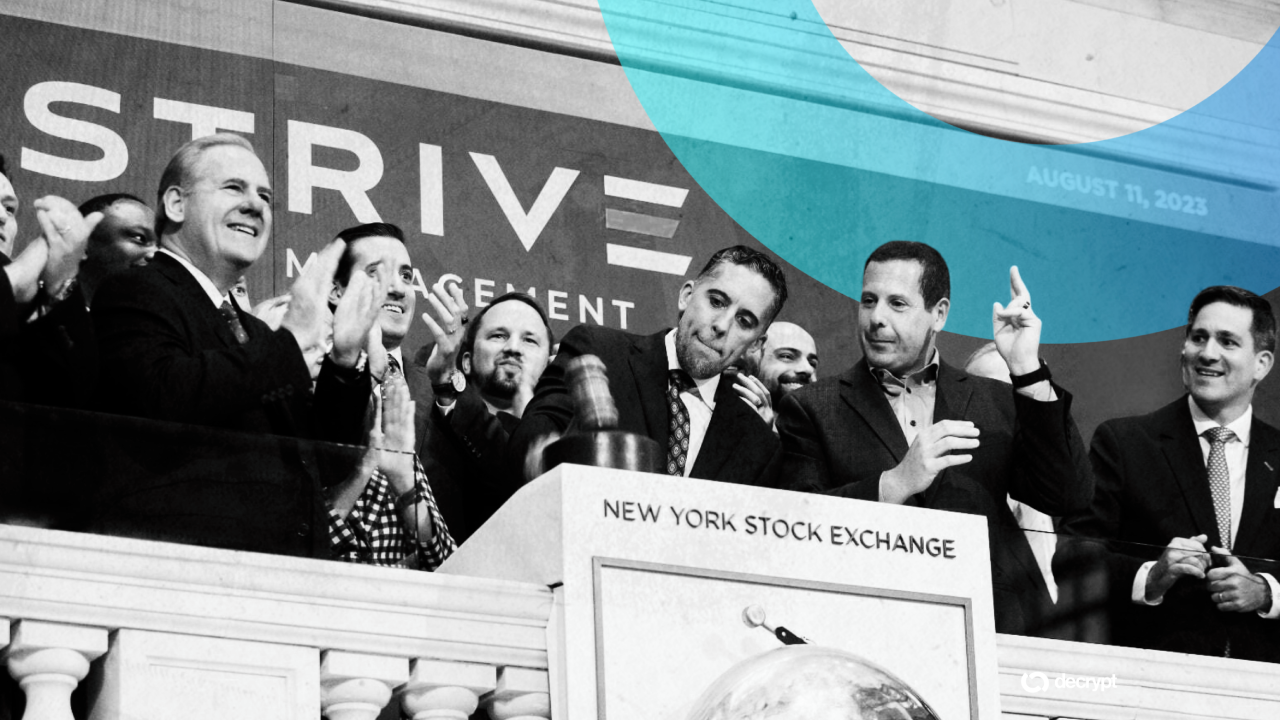
We are watching a fundamental shift in how companies manage their balance sheets. For a long time, the play was simple: keep your cash in high-yield savings or short-term treasuries and try not to lose it. But lately, we are seeing a specific class of firms decide that holding dollars is actually the riskier move. Strive, the asset management firm, just put another $10 million into Bitcoin, adding 124 BTC to their stack. They are now breathing down the neck of Twenty One Capital for the number three spot among corporate treasuries.
The Logistics of the Stack
This latest purchase brings Strive closer to the top tier of Bitcoin-heavy companies. While they are still a ways off from the massive holdings of MicroStrategy, the pace of their accumulation is what matters. They aren't just dipping their toes in; they are building a foundation based on the idea that Bitcoin is a superior reserve asset. For builders, this isn't just about a price ticker. It is about watching how professional money managers are structuralizing their long-term survival.
When a firm buys 124 Bitcoin at these levels, they aren't looking for a quick trade. They are making a statement about the debasement of the currency they would otherwise be holding. In my view, this is a defensive maneuver dressed up as an aggressive one. If you are a founder running a startup, you have to ask yourself why these institutional players are fleeing the safety of the dollar for an asset that the media still calls volatile.
Why Builders Should Care
Most of us in the crypto and AI space are focused on the product. We want to build the next protocol or the next LLM wrapper that actually solves a problem. We rarely think about the treasury. But if you raise a seed round or a Series A, and that money sits in a traditional bank account, you are losing purchasing power every single day. The cost of talent is going up. The cost of compute is going up. The cost of living is going up.
Strive’s move highlights a strategy that more founders might need to consider: the partial hedge. You don't have to go full Saylor to protect your runway. Seeing a firm like Strive climb the ranks suggests that the stigma of holding crypto on a balance sheet is dying. It is becoming a recognized way to ensure that the millions you raised last year can still buy the same amount of GPU time next year.
The Competitive Landscape of Treasuries
Currently, Strive is trailing Twenty One Capital by about 390 BTC. That is a significant gap, but it’s narrowing. We are seeing a league table emerge where the most "hard money" companies are gaining a specific kind of leverage. When your treasury grows faster than your burn rate simply because of the assets you hold, your math as a founder changes. You can take bigger risks. You can hire that extra engineer you thought you couldn't afford.
However, there is a skeptical side to this. Buying at these levels requires a high conviction that the floor is set. Strive is betting $10 million that we aren't at a local top. For a builder, this kind of treasury management requires a stomach for volatility that most boards of directors simply don't have. It is easier for an asset management firm like Strive to make this move than it is for a SaaS startup. But the trend line is clear: the "safe" path of holding 100% fiat is being questioned by the smartest people in the room.
The Risks of Following the Trend
I always advocate for a founder-first perspective, and that means being honest about the downsides. If you follow Strive's lead and the market takes a 40% haircut, your runway vanishes. You can't pay your AWS bill in Bitcoin—at least not yet. You have to sell your assets to cover costs, and if you're selling in a down market, you're effectively subsidizing the rest of the ecosystem at your own expense.
Strive has the capital and the mandate to handle these swings. Most builders do not. The takeaway shouldn't be "go buy 100 Bitcoin." The takeaway should be an observation of where the institutional floor is being built. If firms like Strive are willing to buy millions at these prices, they are effectively signaling where they believe the new baseline for the digital economy sits.
The Bigger Picture for AI and Crypto
We are entering an era where AI agents will need to transact, and they aren't going to open Chase bank accounts. They are going to use digital native assets. Companies like Strive are essentially stockpiling the fuel for the future economy. Whether they hit the number three spot or stay at number four is less important than the fact that they are consistently increasing their exposure.
For those of us building in the trenches, this is a signal of stability. The more corporate entities that lock up supply, the less liquid the market becomes, and the more institutional the asset feels. It moves Bitcoin away from being a "magic internet coin" and toward being a standard component of a diversified corporate treasury. It’s boring, in a way, but boring is exactly what we need for long-term growth.
What This Means for You
- Treasury as a Product: Founders should start viewing their treasury not as a stagnant pool of cash, but as a tool for preserving purchasing power.
- Institutional Validation: Every time a firm like Strive makes a multi-million dollar buy, the "reputation risk" for other founders to do the same decreases.
- Runway Math: If you are holding assets that appreciate, your runway is dynamic. This requires a new kind of financial literacy for technical founders.
Ultimately, Strive’s climb up the ranks is a reminder that the window for "cheap" accumulation is closing for everyone, including corporations. They are playing a game of musical chairs where the chairs are made of satoshis, and they are making sure they have a seat before the music stops. As a founder, you don't need to lead the charge, but you should definitely be watching who is winning the race.
Read the original at Decrypt →