We have a tendency in this industry to treat every green candle like a permanent shift in the laws of physics. Right now, the spotlight is on BlackRock’s IBIT. It recently crossed the $100 billion mark in assets under management. To put that in perspective, it did in roughly one year what took the gold ETF (GLD) several years to accomplish. It is the fastest growth of an exchange-traded fund in history.
But if you are building in the crypto space, you need to look past the celebratory tweets from the marketing departments. History doesn't repeat, but it certainly rhymes. Bloomberg analysts are already pointing out the uncomfortable similarities between Bitcoin’s current trajectory and gold’s legendary run in the early 2010s. For founders, the takeaway isn't just that the price might go up; it's about the gut-wrenching volatility that typically follows these massive institutional inflows.
The Institutional Gravity Well
When GLD launched in 2004, it democratized access to gold. You didn't need a vault or a sketchy dealer anymore; you just needed a brokerage account. Bitcoin ETFs have done the same thing, but at ten times the speed. The sheer volume of capital moving into IBIT suggests we aren't just in a retail bubble; we are witnessing the institutionalization of the asset class.
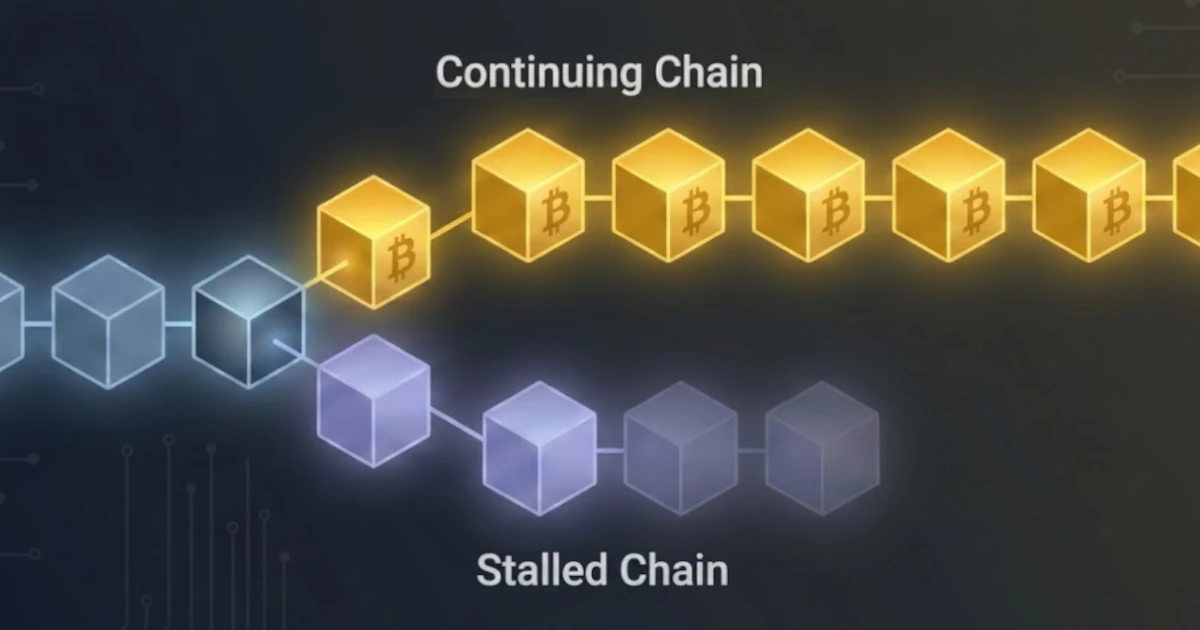
However, once GLD hit its stride around 2011, reaching its own massive valuation milestones, the market shifted. It wasn't a straight line to the moon. Instead, gold entered a multi-year Correction Period that wiped out the weak hands. The "spectacular gains" were real, but the "painful drawdowns" lasted long enough to make people question if gold was still a viable store of value. We should expect nothing less from Bitcoin.
Why the Speed Matters
The fact that IBIT topped $100 billion so quickly is actually a double-edged sword. In the physical world, massive acceleration usually leads to higher friction. In financial markets, that friction manifests as volatility. When trillions of dollars move at high velocity, the momentum creates a vacuum. When that momentum stalls, the drop-off is much sharper than it would be for an asset that grew organically over decades.
For builders, this speed means your runway might be more volatile than your spreadsheet suggests. If your project relies on the continued upward trajectory of Bitcoin to subsidize your burn rate or attract users, you are playing a dangerous game. The ETF era has compressed the market cycle. What used to take four years might now take eighteen months, and the subsequent crashes could be just as concentrated.
The Psychology of the Drawdown
Most people in this space are prepared for a 20% drop. They aren't prepared for a 50% drop that stays at the bottom for three years. That is what gold did after its 2011 peak. It didn't disappear, but it became "boring" and "underperforming."
If Bitcoin follows the gold playbook, we are currently in the euphoria phase. The institutional stamp of approval is here. The flows are consistent. But eventually, the "new car smell" of the ETF wears off. Macroeconomic shifts, regulatory pivots, or simply profit-taking at these massive scales can trigger a drawdown that lasts longer than most startups have cash.
- Asset concentration: A huge portion of Bitcoin is now sitting in just a few institutional hands.
- Redemption cycles: Unlike retail holders who might "HODL" through a crash, institutional funds have mandates and risk parameters that force selling.
- Market maturity: As Bitcoin behaves more like a traditional macro asset (like gold), it loses some of its "disconnected" alpha.
What This Means for Founders
If you are building a product in 2024, you have to architect for the drawdown. It is easy to look like a genius when IBIT is adding billions a week. It is much harder to keep your team motivated and your users engaged when the headline says "Bitcoin ETFs See Record Outflows for Third Straight Month."
Don't fall into the trap of thinking institutional money is "sticky" money. Institutions are often the first to rotate out of an underperforming sector to hunt for yield elsewhere. If you are building on Bitcoin or building services for the ecosystem, focus on utility that persists regardless of whether the price is $100k or $40k. The survivors of the next gold-style drawdown will be those who built infrastructure, not just speculators.
The fastest way to fail as a founder is to mistake a macro liquidity event for product-market fit.
We are seeing one of the greatest liquidity events in financial history with these ETFs. But liquidity is not utility. Just because a billionaire can now buy Bitcoin in his 401k doesn't mean your dApp is suddenly more useful. It just means the stakes are higher and the potential for a massive correction is baked into the cake.
The Strategic Takeaway
The comparison to gold isn't a bear case; it's a reality check. Gold is currently sitting at all-time highs, but it took a decade of pain to get back here after the 2011 peak. Bitcoin will likely reach new heights, but the path will be littered with failed companies that assumed the number would only go up.
Smart builders are using this period of high liquidity to shore up their balance sheets, diversify their treasuries, and focus on core engineering. They aren't watching the IBIT flows every morning. If the gold history lesson tells us anything, it's that the biggest gains come to those who can withstand the longest periods of boredom and decline.
Read the original at The Block →