The Rise of the Shadow Whale
In the world of crypto, we usually track the 'whales' we know: the MicroStrategys, the Teslas, and the corporate treasuries of major exchanges. But a recent shift in the leaderboard should make every builder and founder pause. The entity currently holding more Bitcoin than Coinbase’s entire corporate treasury isn't a new institutional fund or a sovereign wealth state. It is the individual, or group, responsible for the 2022 BNB Chain exploit.
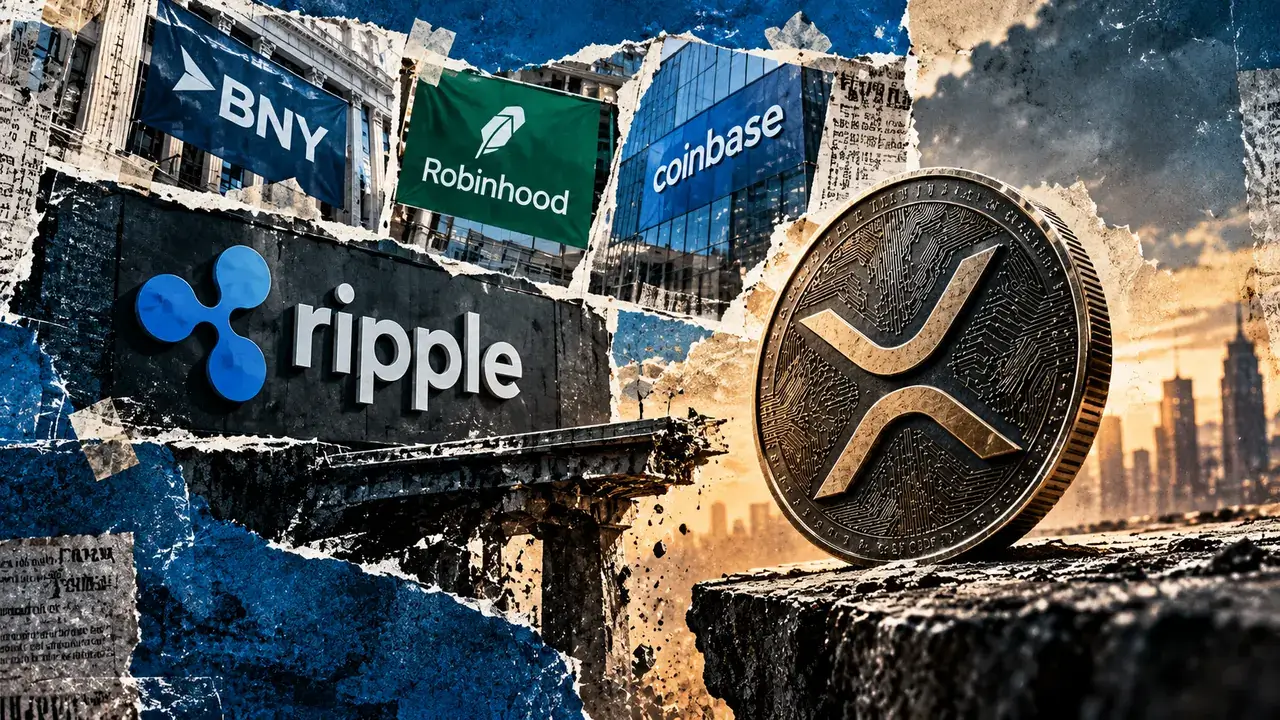
As of this week, the attacker’s wallet has swelled to approximately 18,270 BTC. To put that in perspective, that is a larger stash than the reported 9,480 BTC held by Coinbase Global in its own corporate reserves. When you add their massive holdings of over 500,000 ETH, you aren't just looking at a successful theft; you are looking at a systemic risk that has been sitting in plain sight for two years.
The Math of Persistence
For those who don't remember the 2022 exploit, it was one of the largest in history. The attacker targeted the BSC Token Hub, a bridge between the old BNB Beacon Chain and the BNB Smart Chain. Through a sophisticated manipulation of proofs, they were able to mint two million BNB tokens out of thin air. While the network was eventually halted and a large portion of the funds were frozen or burned by the community, the attacker managed to move a significant chunk into other assets.
What we are seeing now is the result of those assets maturing and moving through the ecosystem. The hacker has been methodically converting and holding, essentially building a 'corporate' treasury that rivals the most compliant companies in the United States. They aren't selling for a quick exit. They are playing a long game, and that is what should worry you.
What This Means for the Builders
As founders, we often focus on the upside of liquidity and the ease of cross-chain movement. Bridges are the lifeblood of a multi-chain future, but they are also our greatest liability. This hacker's portfolio isn't just a fun fact for a newsletter; it is a monument to a single point of failure in infrastructure.
When a bad actor holds this much weight, they don't even need to sell to cause damage. The mere existence of a multi-billion dollar 'dark' treasury creates a permanent overhang on the market. If this entity decides to dump their ETH or BTC to wash it through mixers, the resulting price volatility could wipe out smaller projects that are just trying to keep their runways intact.
Reframing the Security Conversation
We need to stop treating security as a checkbox for an audit and start treating it as a core product feature. The fact that an attacker can hold more Bitcoin than the primary U.S. exchange is a failure of the current system's ability to 'claw back' or neutralize illicit funds once they cross certain thresholds.
- Audit the Bridges: If your project relies on cross-chain liquidity, you are only as safe as the weakest bridge you touch.
- Monitor the Whales: We need better tools for tracking not just where money goes, but the velocity at which it is moving into 'cold' dark wallets.
- Founder Diligence: When choosing which chains to build on, look at their history of halting and recovery. The BNB chain's response was swift, but it still left a multi-billion dollar hole in the ecosystem.
The Ethical Dilemma of Decentralization
There is a core tension here that we rarely talk about honestly. If we want a truly permissionless and decentralized world, we have to accept that we cannot stop people from holding what they have 'earned,' even if they stole it. The blockchain doesn't care about your morals; it only cares about your private keys.
However, as builders, we have to decide if we are okay with a landscape where the biggest winners are the ones who break the rules. When an exploiter has more dry powder than a publicly traded company like Coinbase, the incentive structure for new developers starts to look skewed. Why build a product for five years when you can find one bug in a bridge and retire as a top-100 holder?
The blockchain is a neutral ledger, but the ecosystem we build on top of it shouldn't be. We have to make it harder for these shadow treasuries to exist.
The Takeaway
The headline here is the irony. A regulated, SEC-reporting entity like Coinbase is being out-held by a ghost. But the deeper story is about the fragility of our infrastructure. This hacker isn't just a thief; they are a systemic participant now. They have the capital to influence markets, participate in governance (if they choose), and remain a ghost in the machine.
For founders, the lesson is clear: The 'dark' economy is growing faster than the regulated one in some sectors. If you aren't building with the assumption that your protocols will be attacked by entities with near-infinite resources, you aren't building for the real world. Stop looking at the green candles and start looking at the wallets that haven't moved in two years. That’s where the real power is hiding.
Read the original at Cointelegraph →