When a giant like Binance takes a hit, the ripple effects aren't just about lost capital or temporary outages. They serve as a loud, uncomfortable reminder of the single point of failure inherent in centralized systems. We have seen this movie before, but the plot is getting more expensive. According to recent analysis from Standard Chartered, the latest security breach might be the catalyst that finally pushes the broader market toward decentralized exchanges, or DEXs.
The Fragility of Centralized Trust
For years, the industry has operated on a contradiction. We preach decentralization while keeping the vast majority of our liquidity locked in centralized vaults. It is convenient, sure. The user interfaces are slick, and the customer support usually exists. But every time a major centralized entity gets compromised, the value proposition of a DEX becomes clearer to the average user who previously didn't care about private keys.
Geoffrey Kendrick at Standard Chartered pointed out that these breaches aren't just isolated incidents; they are data points building a case for a structural shift. When you trade on a centralized exchange, you are essentially trading on a promise. When you trade on a protocol, you are trading on math. As the math becomes more reliable than the promise, the capital will follow.
The UNI Thesis and the 2030 Horizon
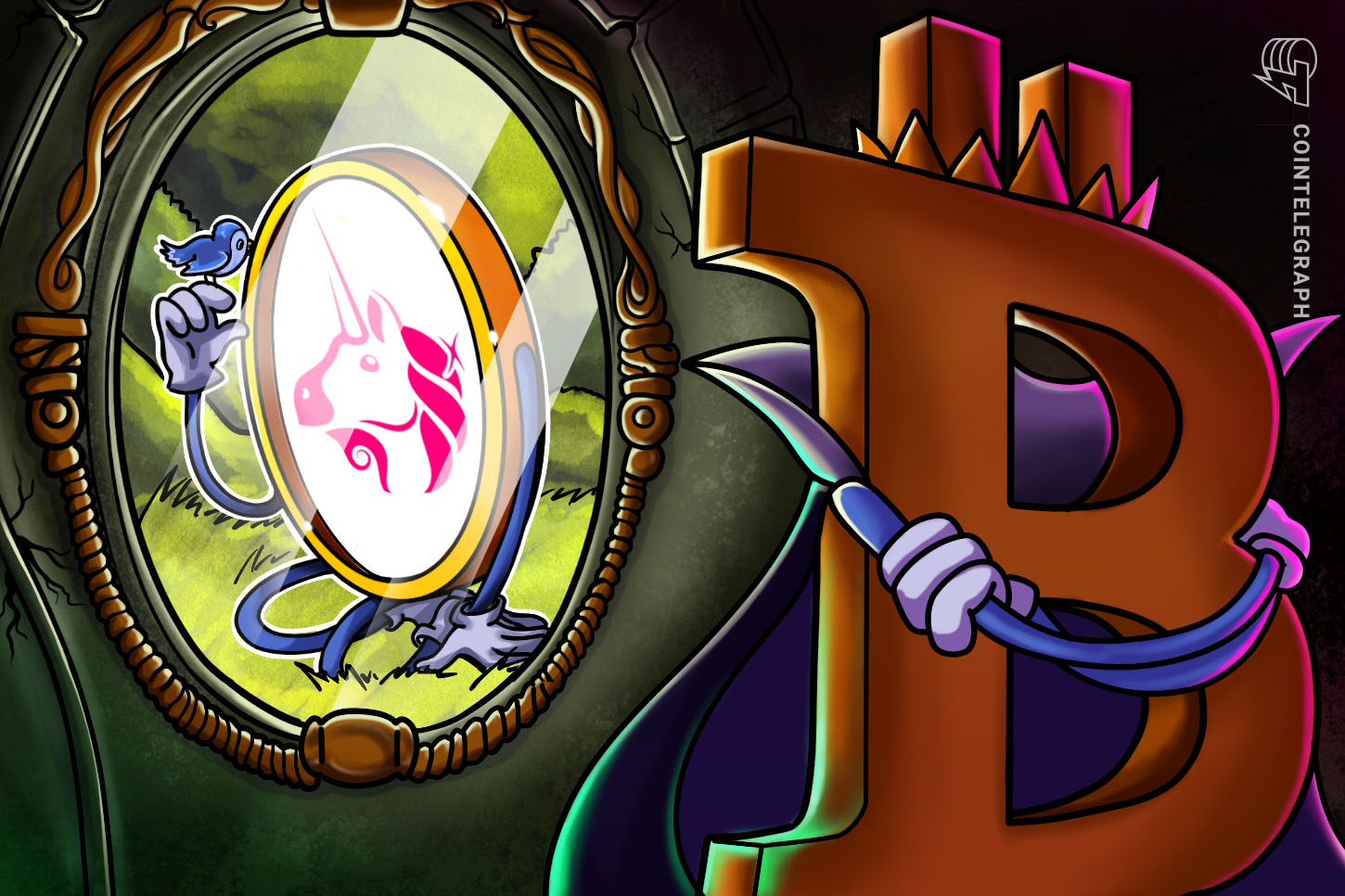
The conversation around this shift often centers on Uniswap. The logic is simple: if traders lose faith in centralized guardians, they will migrate to the most liquid, battle-tested alternative. Kendrick has gone on record suggesting this trend could propel the UNI token to a $100 price point by 2030. It is a bold number, especially in a market that loves to punish optimism, but it is grounded in the idea of protocol dominance.
For builders, this isn't about chasing a price target. It is about understanding the infrastructure shift. If we are moving toward a world where DEXs handle the bulk of global volume, the tools we build today need to be compatible with that reality. We are looking at a transition from being 'users' of a service to being 'participants' in a protocol.
Why Decentralization is No Longer Optional
In the early days, using a DEX was a badge of honor for the technically inclined. It was slow, expensive, and risky. Today, the gap is closing. Layer 2 solutions have fixed the speed and cost issues. The only remaining hurdle is the user experience and the psychological safety of the old way of doing things. Security breaches at centralized exchanges are, ironically, the most effective marketing campaigns for decentralized alternatives.
Every time a centralized database is compromised, the narrative that 'not your keys, not your coins' stops sounding like a paranoid mantra and starts sounding like basic common sense. This isn't just about security, though. It is about permissionless innovation. On a DEX, you don't need to ask for a listing or worry about an exchange's internal solvency. The transparency is baked into the code.
What This Means for the Founder Community
If you are building in this space, you need to be looking at the 'DEX-first' ecosystem. The Standard Chartered report highlights that the institutional side is starting to wake up to the risks of centralization. This means we are going to see a demand for better on-ramps, more robust liquidity provisioning tools, and governance models that actually work.
We shouldn't celebrate a hack. It hurts real people and slows down the industry's reputation. However, we should recognize that these events act as a filter. They flush out the weak points in our current financial architecture and force us to build something more resilient. The shift toward Uniswap and its peers isn't just a trend; it is a migration toward a system that doesn't break when a single server is compromised.
The Road to $100 and Beyond
Talking about a $100 UNI token feels like typical crypto hype, but if you look at the total addressable market of global finance, it is actually quite conservative. If decentralized protocols capture even a fraction of the volume currently held by traditional and centralized crypto exchanges, the valuation of the underlying governance and utility tokens will have to reflect that utility.
However, the road won't be a straight line. Regulatory pressure is the elephant in the room. Centralized exchanges are easier to regulate, which is why governments like them. Decentralized protocols are harder to pin down, which creates a friction point. Founders need to be building with this regulatory tension in mind, creating tools that are compliant but remain true to the decentralized ethos.
Taking the Long View
The takeaway here isn't to go out and buy a bunch of UNI based on a bank's research note. The takeaway is to watch the flow of capital. If the biggest names in banking are starting to model out the dominance of decentralized protocols, the 'fringe' era of DeFi is officially over. We are entering the institutional era of decentralized finance.
As a founder, your focus should be on the friction points that still prevent people from leaving centralized exchanges. Is it the gas fees? The complex UI? The lack of fiat integration? Whoever solves those problems while leveraging the security of a decentralized backend is going to win the next decade of this industry.
The security of a protocol is only as good as its decentralization. As centralized points of failure continue to be exploited, the market is being forced to learn a lesson that builders have known for years: math is more trustworthy than humans.
We are watching the old guard and the new guardians collide. The shift to DEXs isn't just a reaction to a hack; it is the natural evolution of a financial system that is finally starting to value resilience over convenience. Keep your head down and keep building for the protocol-centric future. The math is on your side.
Read the original at Cointelegraph →