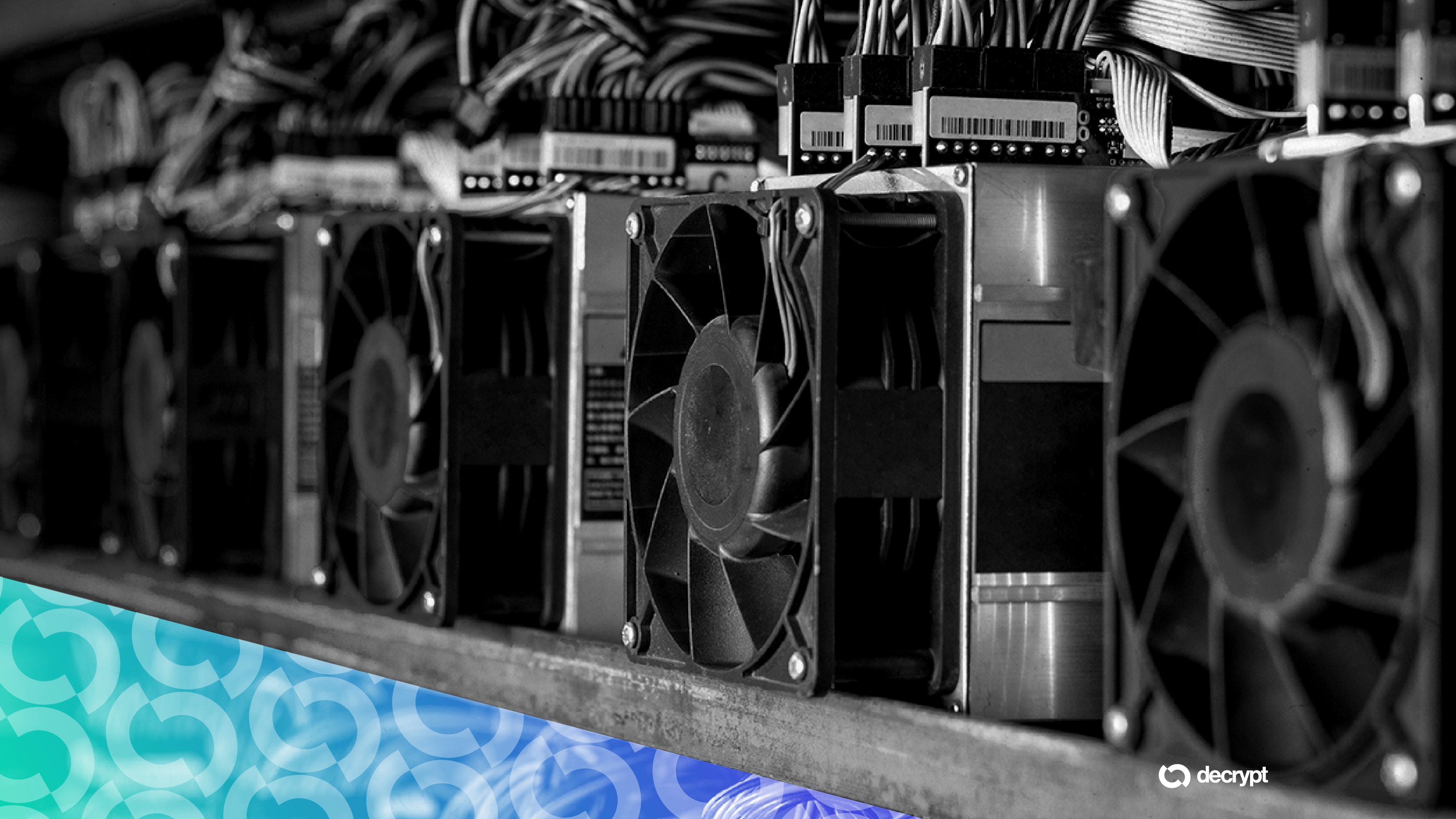
It finally happened. We have spent years talking about the technical debt at the heart of the Bitcoin mining stack, and now the bill is coming due. Braiins recently sounded the alarm on a coordinated hashrate hijacking attack that targeted over 1,000 mining sites simultaneously. This wasn't a slow grind or a sophisticated social engineering play; it was a surgical strike that took less than a second to execute.
For the uninitiated, hashrate hijacking is exactly what it sounds like. An attacker intercepts the communication between a miner's hardware and the mining pool they are contributing to. Instead of the rewards flowing to the legitimate owner of the hardware, the traffic is rerouted so that the pool credits a wallet controlled by the attacker. In this case, the vulnerability exists because the industry is still largely reliant on a protocol designed over a decade ago: Stratum V1.
The Ghost in the Protocol
Stratum V1 is the backbone of most mining operations, but it has a glaring flaw: it lacks encryption and authentication. It was built for a simpler time when Bitcoin was a hobbyist experiment and the idea of sophisticated state-level or enterprise-level route hijacking seemed like a distant threat. In today's environment, where Bitcoin is a trillion-dollar asset, running unencrypted protocols is like driving an armored truck with the back doors wide open.
The attackers used a technique known as BGP (Border Gateway Protocol) hijacking. By exploiting the way the internet routes data, they were able to impersonate legitimate mining pools. Because Stratum V1 doesn't verify the identity of the server it is talking to, the mining machines simply started sending their proof-of-work to the wrong destination. The miners keep burning electricity, the fans keep spinning, but the payouts disappear into the void.
Why This Matters for Builders
If you are building in the Bitcoin space, this should be a wake-up call. We often pride ourselves on the security of the Bitcoin network itself—the consensus layer is arguably the most secure computing environment in history. However, the infrastructure surrounding that layer is often held together by duct tape and legacy code. This attack highlights three specific risks for builders and founders.
- Infrastructure Fragility: We are relying on centralized internet routing protocols (BGP) to secure decentralized assets. When those two worlds collide, the centralized weaknesses usually win.
- The Cost of Inertia: Stratum V2 has been available for years. It fixes these exact issues by providing encryption and preventing unauthorized rerouting. Yet, adoption has been sluggish because upgrading requires time, effort, and a temporary pause in revenue.
- Counterparty Risk: Even if your code is perfect, your users are at risk if the underlying mining hardware and pool connections are compromised. A builder is only as strong as the weakest link in their user's stack.
The Realities of the Attack
Braiins reported that this wasn't just a targeted hit on one big farm. The scale—striking 1,000 sites in a second—suggests a highly automated and well-mapped offensive. This is not a script kiddie in a basement. This is a threat actor who understands global internet routing and knows exactly where the mining traffic is concentrated. By the time a farm manager notices their pool balance isn't ticking up, the attacker has already moved on to the next set of IPs.
For founders, the lesson here is about defensive design. We can no longer assume that the transport layer is safe. If you are developing tools for miners or treasury management systems, you have to build with the assumption that the data path is compromised. This means pushing for end-to-end encryption at every stage, regardless of whether the industry standard says it's necessary.
The Stratum V2 Solution
The solution already exists, and its name is Stratum V2. This updated protocol introduces several key features that would have rendered this attack useless. First, it uses modern encryption to ensure that the miner and the pool are who they say they are. Second, it allows for more efficient data transfer, which actually improves the bottom line for miners. Third, and perhaps most importantly, it gives miners more control over the blocks they are actually mining, further decentralizing the network.
The problem is that moving from V1 to V2 is an operational headache. It requires firmware updates on ASICs and configuration changes at the pool level. In a business where every minute of downtime is lost profit, many operators have chosen to kick the can down the road. This hijacking event is the market's way of telling them they can't wait any longer.
A Founder's Perspective
I am inherently skeptical when I see "emergency" warnings from companies that sell the solution, but in this case, the math checks out. The vulnerability in V1 is well-documented and the risks of BGP hijacking are a known quantity in the broader cybersecurity world. Braiins isn't crying wolf here; they are pointing at a hole in the fence that everyone knew was there but nobody wanted to fix.
As a builder, I look at this and see an opportunity for better UX and better automated security. We need tools that make the transition to encrypted protocols seamless. We need monitoring services that don't just track hashrate, but track the integrity of the network path. If we want Bitcoin to be the global reserve asset, the plumbing that supports it needs to stop leaking.
The security of the network is only as strong as the protocols we use to connect to it. Relying on unencrypted legacy systems in a multi-billion dollar industry is no longer an option.
The takeaway is simple: legacy debt is a security risk. If you are an operator, move to Stratum V2 immediately. If you are a builder, start demanding that your partners and service providers do the same. The next attack won't just hit 1,000 sites—it will hit everyone who thought they were too small to be a target.
Read the original at Decrypt →