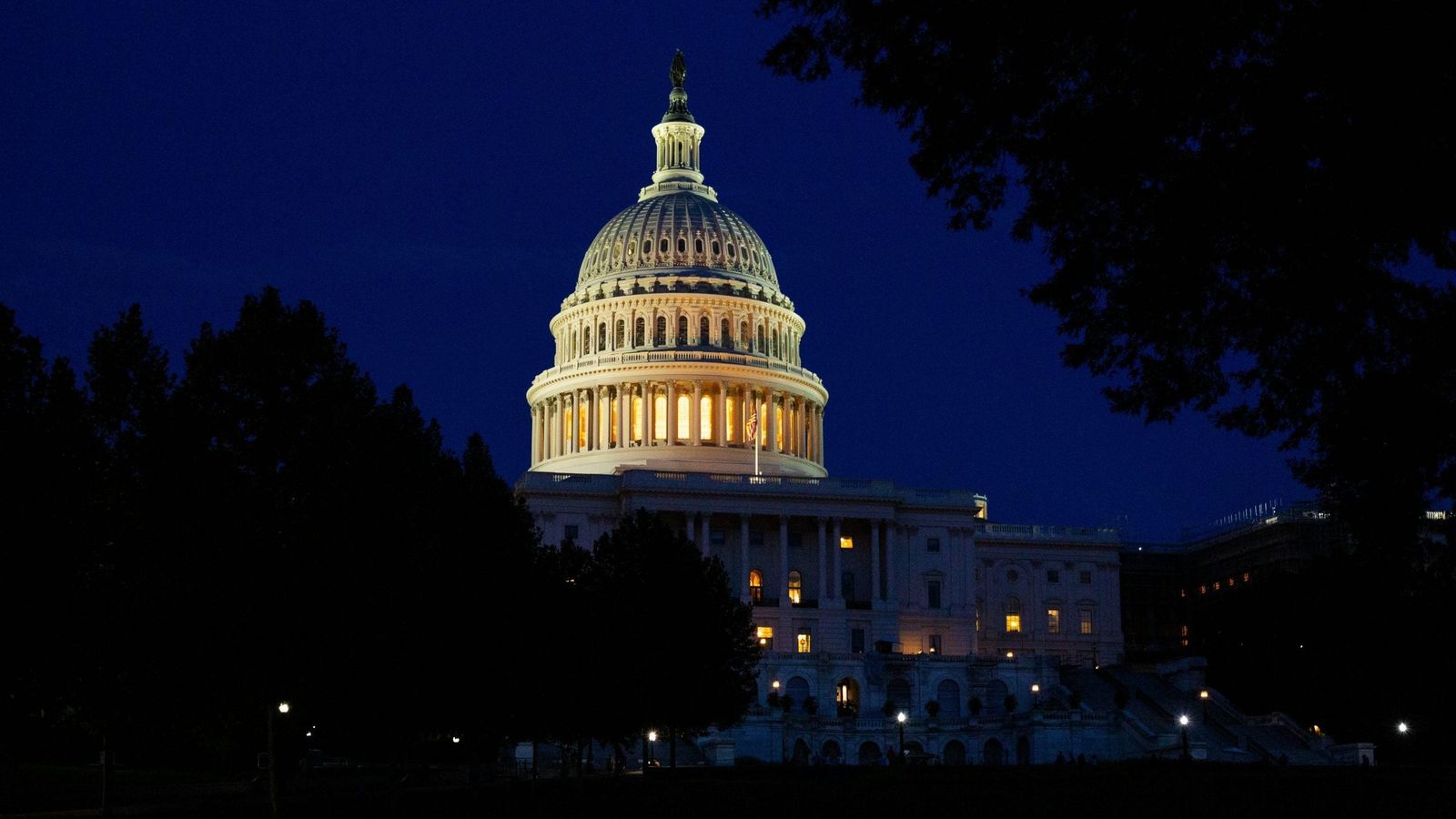
We have been talking about a national bitcoin stockpile for months, and it finally moved from a campaign talking point to a legislative reality. The House Financial Services Committee just voted to advance a bill that would establish a Strategic Bitcoin Reserve. It sounds like a victory for the industry, but as someone who spends more time looking at the plumbing than the headlines, I think we need to temper the excitement with a dose of operational reality.
The Legislative Limbo
The core issue is the calendar. We are currently in the final stretch of the 119th Congress. In D.C. terms, that means the clock is at one minute to midnight. For a bill to become law, it doesn't just need to clear a committee; it needs a full House vote, a Senate companion, and a presidential signature. With the session winding down in the coming weeks, the math for a full passage simply does not add up. This bill is likely going to die on the vine and will need to be reintroduced from scratch in the next session.
So why does it matter? It matters because it sets the floor for future negotiations. We are seeing a shift where Bitcoin is no longer viewed solely as a speculative asset by lawmakers, but as a legitimate macroeconomic tool. The fact that a major committee is spending time debating how the Treasury should custody digital assets is a massive signal for anyone building in this space.
The Founder Perspective: Why Now?
For those of us building companies, the "Strategic Bitcoin Reserve" is more than just a price catalyst. It represents a potential shift in how the U.S. government views digital property. If the government decides it wants to hold 5% of the total Bitcoin supply, it essentially validates the long-term viability of the network. It makes it much harder for future administrations to argue that the technology is inherently illicit or lacks utility.
However, we should be skeptical of the implementation. Government custody is notoriously clunky. We have seen how the U.S. Marshals handle seized assets—they usually just dump them on the market. A strategic reserve would require a completely different approach: a long-term HODL strategy mandated by law. Building the infrastructure to support that, without creating a centralized point of failure, is a massive technical challenge that the current bill only skims the surface of.
What This Means for Builders
If you are a founder, you shouldn't be pivotting your roadmap based on this bill passing tomorrow. You should, however, be looking at the second-order effects. If a reserve is eventually established, we are going to see a surge in demand for institutional-grade custody, auditing tools, and compliance layers that can handle sovereign-level requirements.
- Institutional Trust: A government-backed reserve removes the "career risk" for corporate treasurers looking to follow suit.
- Regulatory Clarity: You can't have a national reserve while simultaneously trying to sue every domestic exchange out of existence. One of those things has to give.
- Infrastructure Gaps: The current bill doesn't solve for how the government interacts with Layer 2s or decentralized liquidity. There is a massive opportunity for builders to bridge the gap between legacy Treasury operations and on-chain reality.
The Political Theater Factor
We also have to acknowledge the politics. Passing a bill out of committee during a lame-duck session is often a way for politicians to signal to their donors and constituents that they are "doing something" without actually having to navigate the difficult process of passing a law. It is a low-stakes way to build a track record for the next election cycle.
As builders, we tend to get frustrated by this theater. We want code, we want deployment, and we want clear rules. But in the world of regulation, the theater is the prerequisite. You have to get the idea into the collective consciousness of the Hill before you can get it into the Federal Register. This committee vote is the first act of what will likely be a multi-year play.
Looking Toward the 120th Congress
When the next Congress convenes, this bill will almost certainly be back, likely with more teeth and broader support. The work being done now is laying the groundwork for that future. The arguments being used—national security, fiscal hedging, and technological leadership—are the same arguments we will see used to protect DeFi and self-custody in the coming years.
The takeaway here isn't that the U.S. is buying Bitcoin tomorrow. The takeaway is that the conversation has fundamentally changed. We aren't arguing about whether Bitcoin should exist anymore; we are arguing about how much of it the government should own. That is a massive win for the industry, even if the current bill is destined for the shredder.
The move toward a Strategic Bitcoin Reserve is less about the immediate law and more about the psychological shift in D.C. It signals that Bitcoin has moved from the fringes of finance to the center of national policy.
Stay focused on building. The regulatory noise will continue to get louder, and while this specific bill might not cross the finish line this year, the momentum it represents is undeniable. Don't trade the headlines—build for the environment those headlines are creating.
Read the original at The Block →