The Marketing Mask Comes Off
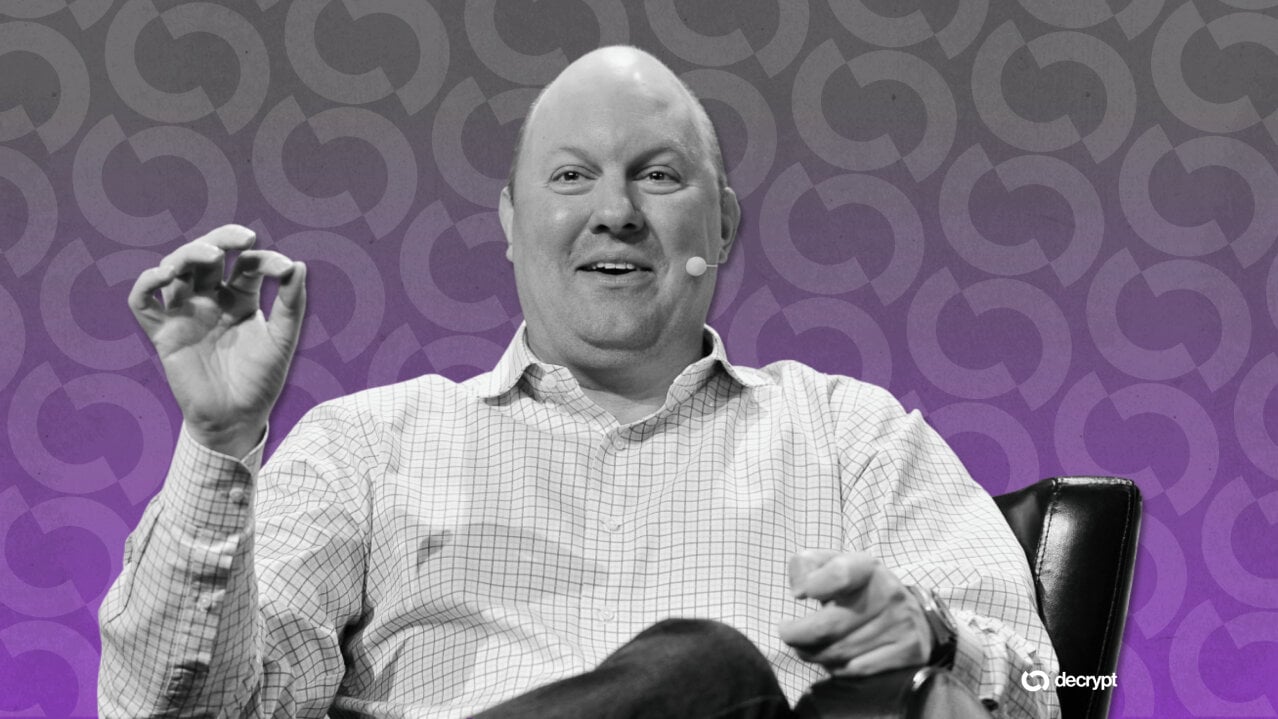
For the last five years, if you said the word crypto in Silicon Valley, you were usually talking about Andreessen Horowitz. They didn't just invest in the space; they defined the aesthetic, the lobbying efforts, and the very vocabulary of what we called web3. But the wind is shifting. The firm recently decided to drop crypto from the specific branding of its dedicated fund, choosing instead to fold those efforts into a new, broader category: a16z Frontier.
This isn't just a cosmetic rebrand. When a firm with this much gravity changes its name, it’s telling you how the money is going to flow for the next decade. The dedicated crypto silo is being dismantled not because the technology failed, but because the isolation of the industry has become a liability. By moving crypto under the Frontier umbrella alongside artificial intelligence, robotics, and biotech, a16z is admitting that the era of crypto-for-crypto’s-sake is officially over.
The End of the Web3 Vacuum
For a long time, the crypto world operated like a high-walled garden. You had your own conferences, your own language, and your own specialized VCs who didn't care about anything that wasn't on-chain. That worked when interest rates were zero and hype was a viable business model. But builders today are facing a different reality. The problems we are trying to solve—like data provenance, compute scarcity, and automated labor—don't fit neatly into a single bucket.
The move to a Frontier designation suggests that the firm sees crypto as a foundational layer rather than a standalone product. If you're building a network of autonomous drones, you need a way for those machines to settle transactions without a human bank account. That’s crypto. If you’re training a large language model and need to verify the training data hasn't been tampered with, you need a ledger. That’s also crypto. But the user or the founder doesn't necessarily want to be labeled a crypto company. They want to be a robotics company or an AI company that happens to use a decentralized stack.
The AI Gravity Well
We have to be honest about why this is happening now. AI has sucked the oxygen out of every room in Sand Hill Road. Every founder I talk to is either pivoting to AI or trying to figure out how to integrate it so they don't look like a relic. By rebranding to Frontier, a16z gives itself the flexibility to chase the AI dragon without looking like they are abandoning their previous bets.
It also solves a major talent problem. The best engineers right now are gravitating toward frontier models and autonomous systems. If you tell a top-tier Stanford dropout you’re a crypto fund, they might walk away. If you tell them you’re a frontier tech fund that funds the future of intelligence and biology, they’re listening. This is a survival move to stay relevant in a market that has grown weary of the volatility and regulatory baggage associated with the pure-play crypto label.
What This Means for Founders
If you’re a builder, this shift should change how you pitch. The days of raising $10 million on a whitepaper about a new consensus mechanism are gone. The new mandate is integration. A16z is looking for projects where the blockchain is the invisible plumbing, not the storefront.
- Focus on Utility Over Ideology: Investors no longer care if your project is decentralized for the sake of decentralization. They want to know if decentralization makes your AI model faster, cheaper, or harder to censor.
- The Multi-Disciplinary Edge: The most successful founders in the Frontier era will be those who can speak the language of both LLMs and smart contracts. The siloed expert is becoming less valuable than the generalist who can connect these technologies.
- Regulatory Distance: By blurring the lines between crypto and other hard techs, firms can navigate the regulatory minefield more effectively. It is much harder for regulators to knee-capping a biology or robotics startup that uses a token than it is to target a pure DeFi play.
A Necessary Skepticism
We should be careful not to view this as a total victory for crypto. There is a version of this story where crypto becomes the junior partner in this new marriage. In the Frontier fund, crypto might just be the tool used to pay for AI compute. While that provides utility, it’s a far cry from the revolutionary decentralized future that was promised in 2021. We are seeing a pivot from revolution to infrastructure.
The rebranding is also a convenient way to dilute the track record of the crypto-only years. If the next big win comes from a biotech firm that uses a blockchain for record-keeping, it validates the entire thesis, even if the pure crypto bets never return to their all-time highs. It’s a hedge, plain and simple.
The Founder Perspective
As someone who talks to builders every day, I see this as a net positive, even if it feels like a bit of a retreat. The crypto space was getting stale. It was an echo chamber of the same three ideas repeated ad nauseam. By forcing crypto to compete for capital against AI and robotics, we’re going to see a survival-of-the-fittest moment. The projects that survive will be the ones that actually do something useful.
Don't be surprised if other major VCs follow suit. The term web3 is tired, and crypto has too much baggage. Frontier is a clean slate. It’s a way to keep the technology but lose the reputation. For the people actually writing code, the name on the check doesn't matter as much as the realization that the world is getting more complex, and a single-tool approach isn't going to cut it anymore.
The Takeaway
The rebranding of a16z crypto to a16z Frontier marks the end of crypto as an isolated industry and its beginning as a functional component of the broader tech stack. For builders, the message is clear: stop building tools for crypto people and start building infrastructure for the next generation of autonomous and intelligent systems. The frontier is messy, it's multi-disciplinary, and it's where the next decade of value will be created.
Read the original at Decrypt →