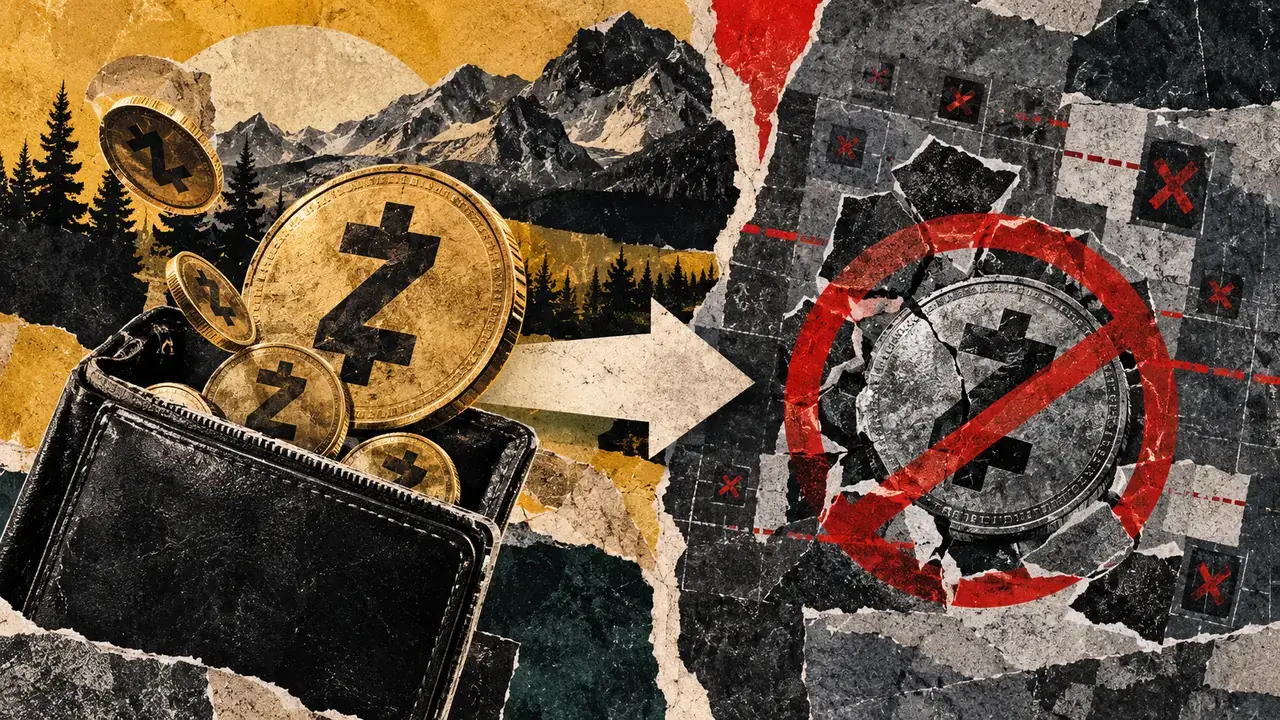
We have long been told that in crypto, your private keys are the ultimate source of truth. If you have the keys, you own the assets. But a new technical shift in Zcash, known as the NU7 upgrade, is challenging that foundational belief by proposing a permanent freeze on its oldest privacy pool, Sprout.
The End of an Era for Sprout
Zcash launched in 2016 as a pioneer in zero-knowledge proofs. At the time, the Sprout pool was the cutting edge of financial privacy. It allowed users to shield transactions, hiding the sender, receiver, and amount. However, technology moves fast, and Sprout has since been superseded by the Sapling and Orchard upgrades, which offer better performance and security.
The issue now is that the Zcash ecosystem wants to move on. Maintaining legacy pools isn't just a technical burden; it is a security risk. The proposed NU7 upgrade aims to deprecate Sprout once and for all. But there is a catch that should make every builder and holder pause: once this happens, funds left in the Sprout pool will be unspendable. Even if you have your private keys, those keys will no longer be able to sign a transaction that the network will accept.
Why the Freeze is Happening
From a founder’s perspective, keeping old code alive forever is a recipe for disaster. It bloats the client software and increases the attack surface for potential exploits. The Zcash community has been talking about retiring Sprout for years, encouraging users to migrate their funds to the newer, more efficient pools.
However, the transition to NU7 represents a hard line in the sand. Most blockchain upgrades are backward compatible or provide a path for migration at any time. This freeze is different. It is a functional bricking of assets. The core developers argue that this is necessary to ensure the long-term integrity of the Zcash supply, especially given concerns about potential hidden inflation bugs that could theoretically exist in older, less-audited cryptographic setups.
The Reality for Builders
If you are building on top of privacy protocols, this move by Zcash is a case study in technical debt and protocol governance. It shows that the "immutability" of a blockchain is often subject to the consensus of its developer and node-operator community. If the majority decides that a specific part of the chain is a liability, that part can be amputated.
- Asset Longevity: Builders need to consider how they communicate upgrade cycles to their users. If a user stores value in a protocol, they expect it to be there in a decade.
- User Responsibility: This shift places a heavy burden on the user to stay informed. In a decentralized world, there is no customer support to call when your Sprout keys stop working.
- Protocol Risk: If a protocol can freeze a pool, it raises questions about the censorship-resistance of the system. While this is a technical deprecation rather than a targeted ban, the result is the same: funds are stuck.
A Shift in the Social Contract
The traditional social contract of crypto is that math is the law. If the math says a transaction is valid, the network processes it. By implementing a freeze, Zcash is introducing a layer of human-driven policy that overrides the math of the Sprout private keys. This is a pragmatic choice for the health of the network, but it is a bitter pill for those who believe in absolute sovereign ownership.
We have seen similar debates in other ecosystems, but rarely with a hard deadline for fund movement. Usually, legacy addresses remain functional indefinitely. Zcash is taking a more aggressive stance, prioritizing the security of the future over the convenience of the past.
What Builders Should Watch
For founders in the AI and Web3 space, the Zcash situation is a reminder that privacy is hard and maintenance is harder. If you are building tools that interact with shielded pools, you need to be auditing your users' exposure to legacy tech immediately. The activation of NU7 isn't just a software update; it's a migration event that could result in permanent loss for the unaware.
The value of a privacy coin isn't just in its ability to hide data; it's in the reliability of its infrastructure. If the infrastructure can be turned off, the value proposition changes.
The Takeaway
The planned Sprout freeze is a necessary evolution for Zcash, but it serves as a wake-up call for the entire industry. It proves that "not your keys, not your coins" is only half the story. The other half is "not your protocol, not your coins." If the network no longer recognizes your keys, the keys are just useless strings of data.
Builders should take this as a sign to build better migration paths and clear communication channels. We cannot assume that the tech we build today will be supported forever. Honesty about the lifespan of cryptographic tools is better than the false promise of eternal support.
Read the original at CryptoSlate →