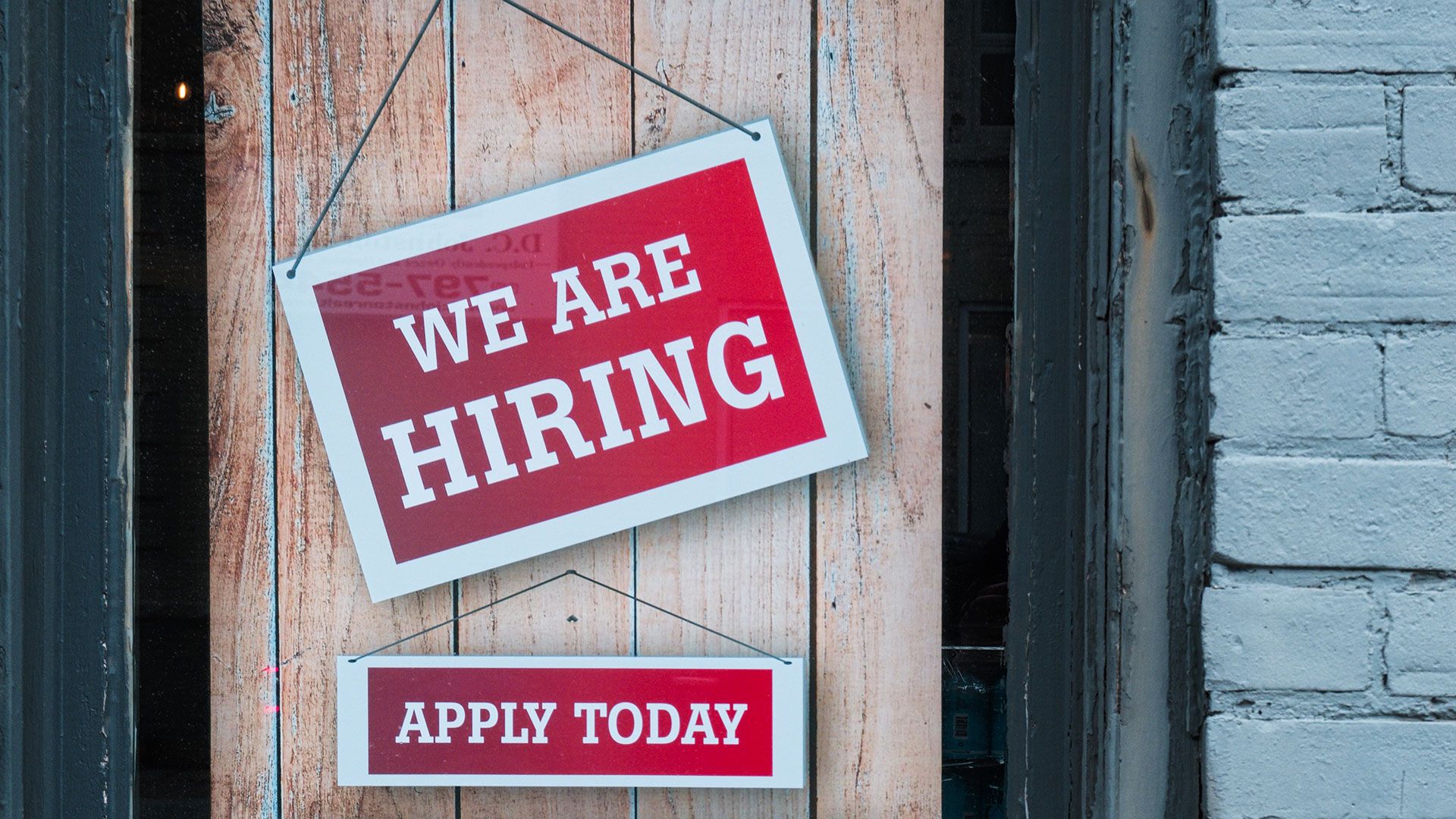
We have all seen the cycle. A major conference announces its final call for exhibitors, the marketing emails get more aggressive, and founders start sweating over whether they can justify a five-figure spend on a draped table and a few electrical outlets. TechCrunch Disrupt 2026 is currently at that crossroads. The hard deadline for securing a spot at Moscone West is October 2. If you are not in by midnight Pacific Time this Friday, you are officially on the sidelines.
The Real Cost of the Booth
For most builders in the crypto and AI space, the question isn't just about the cost of the table. It is about the opportunity cost of three days in San Francisco versus three days of focused shipping. The source data says there will be over 10,000 people at Moscone West from October 13 to 15. That is a massive number, but for a founder, that number is a distraction unless you have a specific goal.
Exhibiting is a legacy play that is currently being reinvented by the software-first crowd. In the old days, you bought a booth to get noticed by a journalist who might write three sentences about you. Today, if you are paying for a table, you should be doing it for high-bandwidth feedback, not just for the hope of a vague PR win. If your product is still in a closed beta, standing in a hall with thousands of strangers is the fastest way to realize your UI is confusing.
Why Builders Should Care
The reason this specific deadline matters for the STKR community is simple: the capital is congregating. Despite the rise of remote work and decentralized teams, the physical concentration of investors in one building still has a strange gravitational pull. The source notes that founders and tech leaders will be there in force. If you are currently raising a seed or Series A, the booth is less of a marketing tool and more of a stationary meeting room.
However, I have seen too many founders waste this. They spend $10,000 on the space and then another $5,000 on branded socks and stickers. This is a mistake. If you are going to meet this October 2 deadline, your focus should be on how many high-value conversations you can facilitate at that table, not how many cheap leads you can scan into a CRM you will never check again.
Navigating the Noise
Disrupt has a reputation for being a generalist show. You have biotech standing next to fintech standing next to a guy selling a new kind of ergonomic chair. For those of us building in AI and blockchain, this can feel like a mismatch. But there is a strategic advantage to being the most technical person in a generalist room. When everyone else is pitching a lifestyle app, the builder with a functional LLM integration or a novel scaling solution stands out by default.
The extension of the exhibitor program until October 2 suggests there is still room for those who have been hesitating. Usually, these extensions happen because the organizers want to ensure the floor is packed, but for you, it is a second chance to look at your roadmap. Does your October schedule allow for a three-day sprint of networking? If the answer is yes, the booth acts as a physical anchor for your brand in a city that still dictates much of the venture flow.
The Founder Perspective
I tend to be skeptical of large-scale trade shows. They are exhausting, expensive, and often performative. But there is an intangible value in being in the room where the narrative is being set. If you are an AI founder, you need to know what the generalist investors are scared of. If you are a crypto founder, you need to see how regular tech leaders react to your pitch without the jargon.
The October 2 cutoff is the point of no return. After this Friday, the logistics take over. The printing of the guides, the layout of the floor, and the scheduling of the stages become fixed. If you are planning to be in San Francisco anyway, having a dedicated spot at Moscone West beats trying to hold meetings in a noisy Starbucks three blocks away.
What to Do Before Friday
If you are on the fence, don't just look at the price tag. Look at your calendar for the rest of Q4. Disrupt happens mid-October. That is the start of the final push for the year. If you have a product ready to show, this is your last chance to get it in front of a concentrated group of people who are paid to care about the next big thing.
- Audit your team: Do you have someone who can actually pitch, or are you sending three engineers who hate talking to strangers?
- Define the win: Is it five investor follow-ups? Ten beta testers? One partnership? If you can't name it, don't buy the table.
- Check the tech: Moscone WiFi is notoriously hit-or-miss. If your demo requires a fiber connection to work, you better have a plan B before you sign that contract on Friday.
The Takeaway
TechCrunch Disrupt remains one of the few places where the traditional tech world and the emerging builder culture collide. The deadline this Friday, October 2, is the final gate for those who want a seat at that table. It is not a requirement for success, but for a founder looking to bridge the gap between their codebase and the market, it is a significant opportunity that is about to disappear.
Stop overthinking the marketing fluff. If you have the budget and a functional product, get the booth. If you are still hacking on a prototype and every dollar counts, stay home and ship. The worst thing you can do is sign up because of FOMO and then show up with nothing to say.
Read the original at TechCrunch Startups →