The Graveyard as a Data Mine
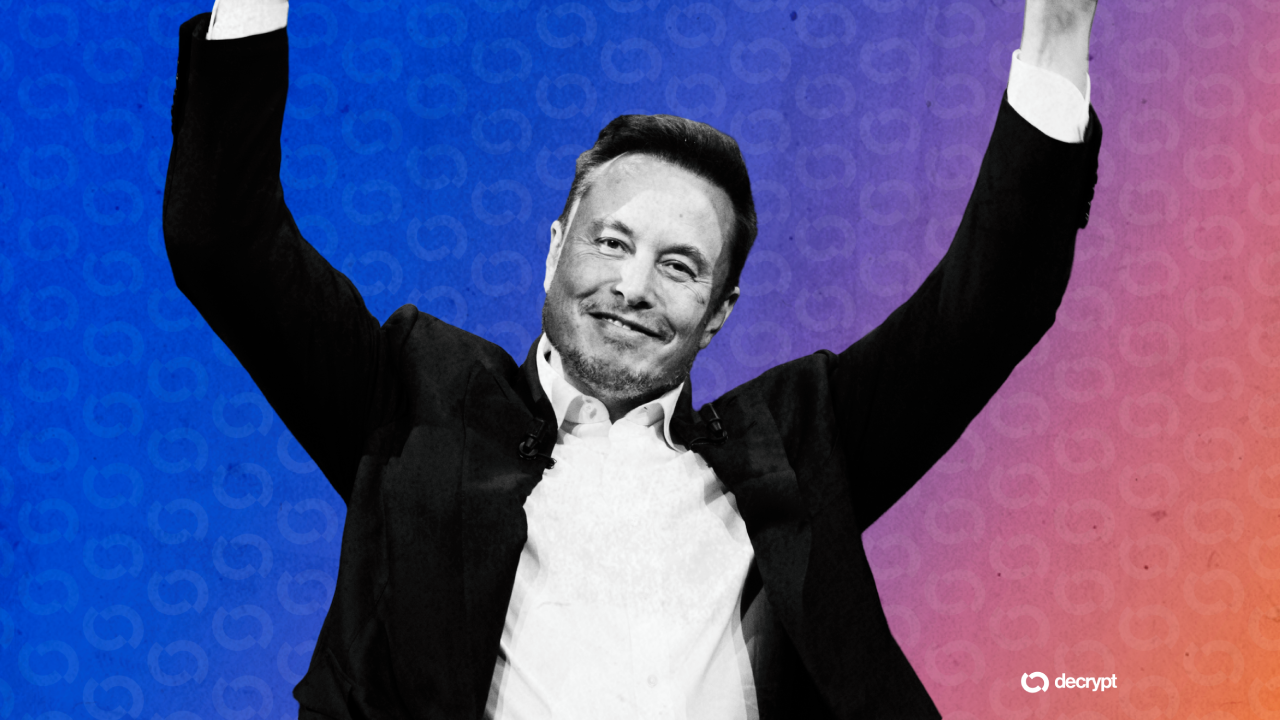
In the startup world, we talk a lot about the exit. Usually, that means a billion-dollar IPO or a nice acquisition by a tech giant. But for most founders, the exit is a quiet shutdown. You turn off the servers, pay what you can to the creditors, and walk away. What we rarely talk about is the digital exhaust left behind: the terabytes of user behavior, emails, and personal preferences sitting on aging cloud storage. To most, this is liability. To Elon Musk and the team at SpaceX, it looks like high-octane fuel for Grok.
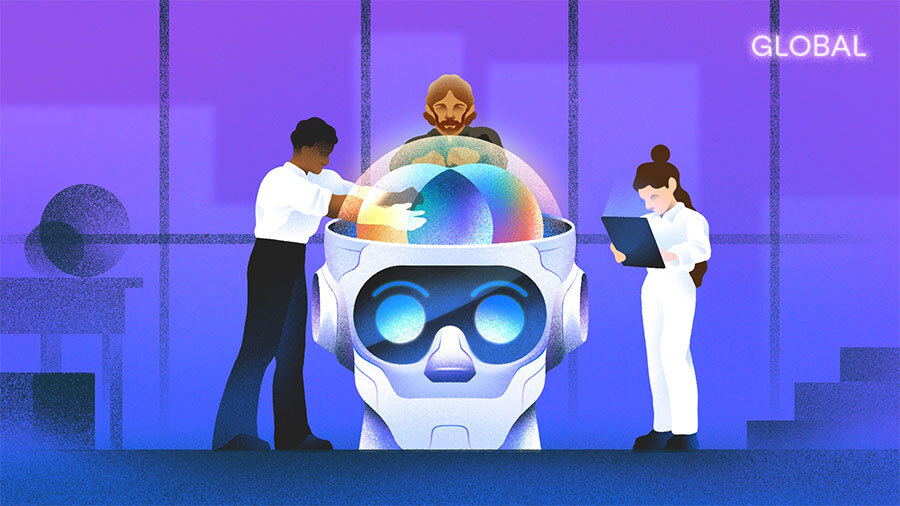
Recent internal discussions at SpaceX suggest a strategic pivot toward acquiring these abandoned data troves. The logic is simple and cold: training a competitive Large Language Model (LLM) requires massive amounts of data, and the cheap, easy sources like Reddit and Twitter are either exhausted or heavily litigated. Dead startups represent a blue ocean of proprietary information that can be bought for pennies on the dollar because the entity that originally promised to protect that data no longer exists.
The Ethics of the Digital Estate
When a user signs up for a new app, they agree to a Terms of Service (ToS) agreement that they almost certainly didn't read. Those documents usually contain a clause stating that in the event of a merger or acquisition, the data can be transferred. This is the legal trapdoor. If SpaceX buys the assets of a defunct fintech or health-tech firm, they aren't just buying the desks and the patents; they are buying the right to feed your private history into a machine learning model.
As builders, we often view data as a utility. We collect it to improve the product, to reduce friction, or to prove traction to investors. But once that data is stored, it takes on a life of its own. It becomes a permanent record that can outlive the company’s vision, its founders, and its mission. For Musk, this isn't about privacy; it's about speed. If you can bypass the years it takes to scrape the open web by simply purchasing the remains of a hundred failed startups, you gain a massive temporal advantage in the AI arms race.
Why Builders Should Care
If you are building a startup today, you need to understand that your data architecture is your legacy. If you fail—and statistically, most of us do—your users' trust is the last thing you have left to protect. The trend of scavengers picking over the digital bones of the Silicon Valley graveyard should change how we think about data retention. If you don't need the data to run your business today, stop hoarding it. The more you collect, the more you leave vulnerable to the highest bidder if things go south.
There is also the founder's perspective on liability. Selling off customer data to a third party like an AI company might satisfy a few creditors, but it effectively burns every bridge you’ve built with your community. While it might be legal under a standard ToS, it is an ethical failure that follows a founder to their next venture. People remember who sold them out when the lights went off.
The Grok Factor
Musk’s AI ambitions are unique because they are integrated across multiple verticals. Between X, Tesla, and SpaceX, he already has access to more real-time human interaction data than almost anyone else on earth. The move to buy up dead startup data suggests that even this isn't enough. The hunger for diverse, non-public data sets is growing because public data is becoming "poisoned" by other AI-generated content. To find original, human-made data, you have to go back to the archives of the 2010s and early 2020s—the peak era of the app-for-everything startup boom.
The Regulatory Vacuum
Regulators are currently focused on what AI does with public information—copyrighted news articles, art, and music. They are missing the much larger issue of what happens to private information in the secondary market. Currently, there is very little standing in the way of a liquidation firm selling a database to an AI developer. There are no "Do Not Track" laws for the digital afterlife.
We are entering an era where your digital ghost will be put to work. The things you whispered to a therapist app in 2018 or the spending habits you tracked in a failed budgeting tool could become the foundation for a bot's personality in 2025. This isn't just a privacy concern; it's a fundamental shift in how we value human experience. We are being reduced to training weights for a software product we may never even use.
A Takeaway for the Modern Founder
For those of us in the trenches building these companies, the takeaway is clear: Build with the end in mind, but protect the beginning. If your business model relies on the eventual sale of user data as a "Plan B" for failure, you aren't building a service; you're building a harvest. We need to advocate for better data sunsetting practices—processes where data is automatically purged if a company goes inactive for a certain period.
Ultimately, the move by SpaceX to scavenge for data is a reminder that in the AI age, nothing is ever truly deleted. As long as there is a server humming somewhere with a copy of your database, there is a price tag on your users' privacy. As founders, we have to decide if we want our legacy to be the products we built, or the fuel we provided for someone else's machine.
Final Thought
Elon Musk is often criticized for being erratic, but this move is incredibly disciplined. He knows that the most valuable commodity in the next decade isn't compute power or even capital—it's high-quality, human-generated data. By looking in the trash bins of the tech industry, he’s proving once again that he’s willing to do the dirty work that other tech giants are too polite, or too cautious, to attempt. The question is whether we, as a community, are going to keep filling those bins for him.
Read the original at Decrypt →