The SPAC Reality Check
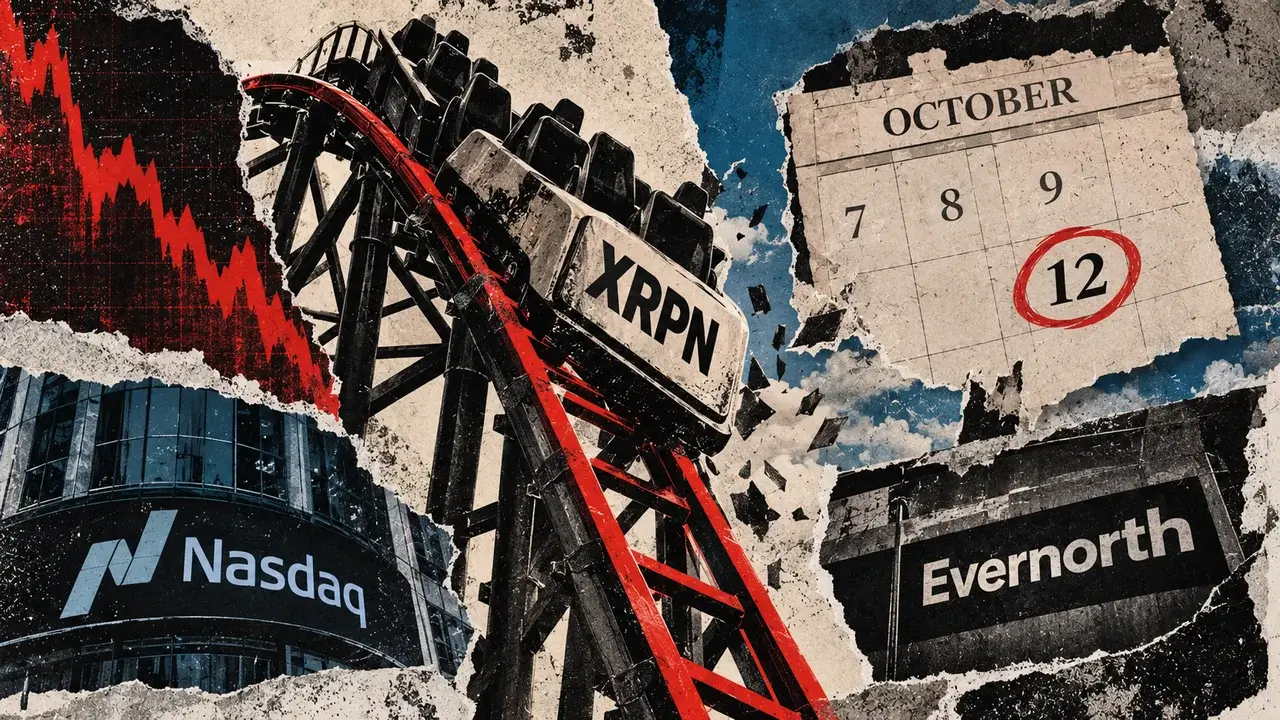
For a few years now, the Special Purpose Acquisition Company, or SPAC, has been the shortcut of choice for crypto firms wanting to skip the traditional IPO headache. It is supposed to be a cleaner, faster route to the Nasdaq. But as we just saw with Armada Acquisition Corp. II and the Evernorth deal, shortcuts often come with a steep toll. When the stock ticker meant to take a company public loses half its value in a single afternoon, the market is sending a clear message: the hype cycle is broken.
The numbers here are brutal. Armada, trading under the ticker XRPN, saw its shares plummet from over $38 to roughly $19. This is not just a minor correction; it is a total revaluation of the project’s perceived worth right as it was supposed to debut. For founders watching this from the sidelines, the takeaway is simple: the public markets are no longer buying the promise of crypto treasury management without extreme scrutiny.
Building in a Glass House
As a founder, you have to realize that going public turns your internal accounting into a public spectacle. Evernorth’s model focuses on managing XRP treasuries—a niche that is already under a microscope due to the ongoing legal and regulatory discussions surrounding Ripple. When you tie your public valuation to a specific digital asset treasury, you are essentially asking investors to bet on both your business model and the underlying asset's regulatory survival.
The 50% drop suggests that institutional investors are de-risking. They are looking at the volatility of the crypto space and the complexity of the SPAC structure and deciding the math doesn't add up at the previous valuation. This is a wake-up call for anyone building "crypto-adjacent" financial services. Your balance sheet is your product, and if that balance sheet is perceived as unstable, your stock price will follow suit.
The Problem with the 'Blank Check' Hype
SPACs earned the nickname "blank check companies" for a reason. They raise money first and find a business to merge with later. In a bull market, this works because everyone is chasing the next big thing. In a skeptical market, the lack of transparency during the merger process becomes a liability. The delay of Evernorth’s Nasdaq debut following the price crash is a classic symptom of this misalignment.
For builders, this serves as a reminder that liquidity is not the same as value. You can get listed, you can get a ticker, and you can get traded on a major exchange, but if you haven't built a sustainable revenue model that exists outside of token price fluctuations, the public market will eventually find you out. The volatility we saw this week isn't just a glitch; it’s the market seeking a floor that reflects reality rather than speculation.
What This Means for Crypto Founders
If you are a founder planning an exit or a major funding round, you need to look at this incident as a case study in market sentiment. The appetite for pure-play crypto exposure on traditional exchanges is shifting toward ETFs and established players. Niche treasury management firms are being asked to prove their utility beyond just holding bags.
- Transparency is the only currency: If your valuation is tied to a treasury, you need to be over-communicating about your risk management strategies.
- SPACs are high-risk tools: The speed of a SPAC merger is an advantage until the market turns. Traditional IPOs, while slower, often provide better price discovery.
- Focus on the tech, not the ticker: If your company's value can be cut in half because of a pre-debut sell-off, your core value proposition might be too thin.
The Skeptics Are Winning for Now
I’ve always said that we need to build for the long term, not for the exit. When we see massive drops like this, it reinforces the skeptical view that many crypto-related public offerings are just exit liquidity for early backers. To change that narrative, we need companies that produce consistent cash flow and solved problems, regardless of whether XRP or BTC is up or down on the day.
The delay of the Evernorth listing is probably a smart move in the short term—trying to debut while your vehicle is on fire is never a good look. But the long-term damage to the SPAC path for crypto firms is already done. We are entering an era where you have to prove it before you list it. That might be frustrating for founders looking for a quick payday, but for the health of the industry, it is exactly what needs to happen.
The market doesn't owe you a high valuation just because you are in crypto. It owes you exactly what you can prove you are worth in cold, hard numbers.
As we watch how Evernorth and Armada navigate this, keep your eyes on the fundamentals. If they can’t explain why the value dropped by half, they shouldn't be surprised when the rest of the market walks away. For the builders out there, keep your heads down and focus on the product. The public markets will be there when you actually have something solid to show them.
Read the original at CryptoSlate →