The Logo Loophole
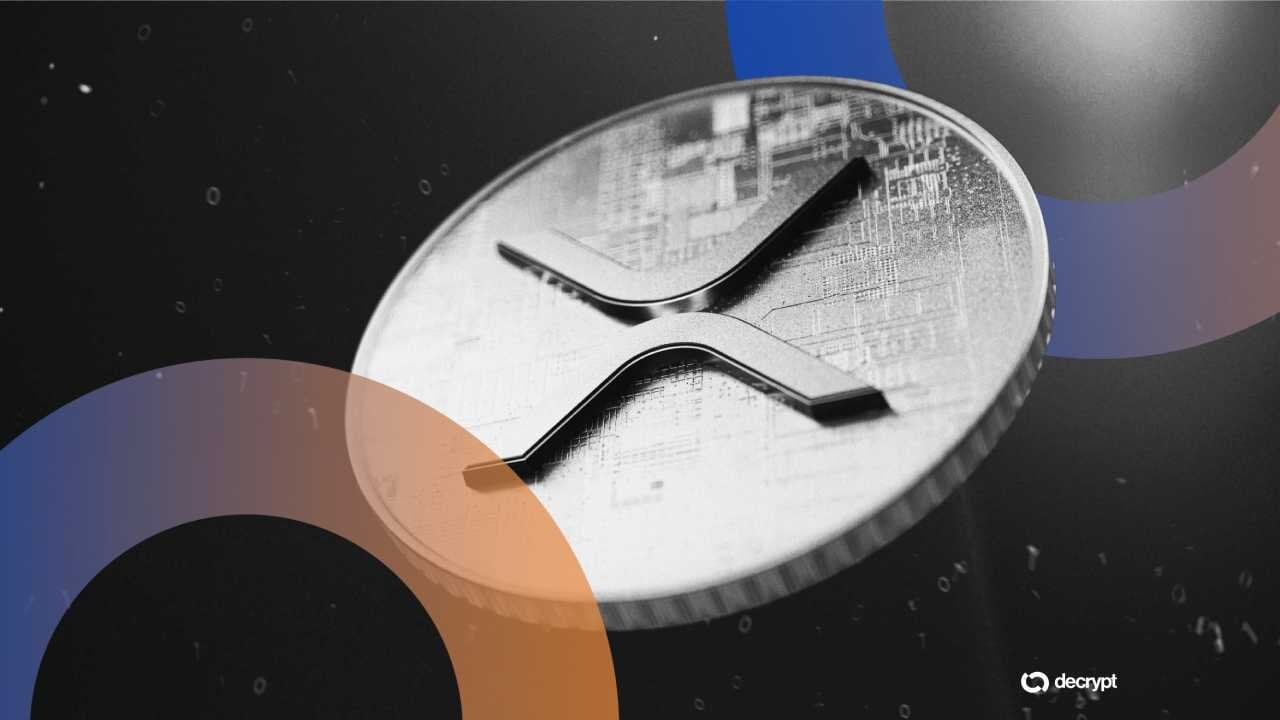
Ripple has decided it is time for the XRP logo to hit the hardwood. Following a multi-year deal with the Kansas Jayhawks, one of the most storied programs in college basketball, the digital asset is moving from the ledger to the laundry. It is a massive play in the sports marketing world, but for those of us building in this space, it raises the usual questions about utility versus visibility.
We have seen this movie before. During the last cycle, every stadium was being renamed and every jersey had a patch. While most of those companies ended up in bankruptcy court, Ripple is playing a different game. They have survived a decade of regulatory friction and remain one of the most well-capitalized entities in the industry. They are not looking for survival; they are looking for a seat at the adult table.
For the Jayhawks, this is about NIL money and modernizing their brand. For Ripple, it is an attempt to turn a technical asset into a household name. But as builders, we have to look past the velvet rope and ask: Does putting a logo on a jersey actually help the ecosystem, or is it just another expensive billboard in a desert of retail speculation?
The Psychology of Sponsorship
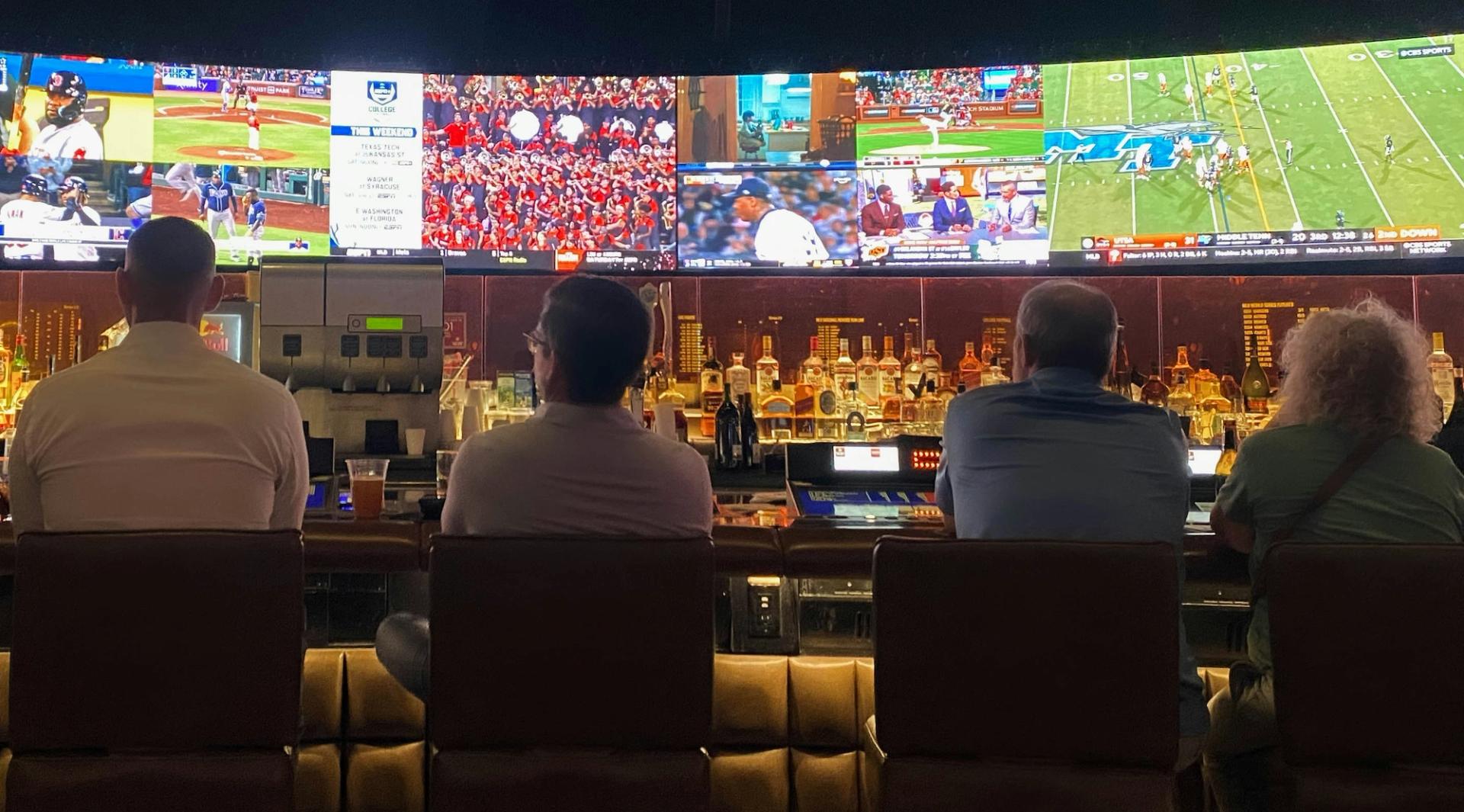
There is a specific reason crypto companies target sports. It is the last bastion of live, unskippable media. You can block ads on your browser, but you cannot block the logo stitched onto the shoulder of a point guard during a final four run. Ripple is betting that the prestige of the University of Kansas will rub off on XRP.
The problem with this strategy is the gap between awareness and adoption. Most people watching these games have no idea what a distributed ledger is. They might see the logo, google it, and find a price chart. That is not adoption; that is gambling. Real growth happens when developers use the XRP Ledger to solve actual problems, like cross-border settlements or tokenized real-world assets.
If you are a founder, you should not be looking at this deal as a sign to go spend your seed round on a stadium suite. You should be looking at it as a signal that the heavyweights are trying to normalize the industry. The goal is to make the word crypto feel less like a scam and more like a standard financial tool. If they succeed in making the logo feel boring and everyday, they win.
What This Means for the XRP Ledger
Visibility alone does not fix liquidity or technical debt. However, it does create a funnel. When a major institution sees that an asset is trusted by a top-tier university athletic department, it lowers the perceived risk. It is a form of social proof that capital can buy.
We have to be honest: XRP has spent years in a defensive crouch because of the SEC. This deal feels like a victory lap. It is a statement that they are moving forward regardless of the legal noise. For the builders on the XRPL, this might bring a wave of new eyes, but it also brings a wave of scrutiny. If the tech cannot handle the influx or if the user experience is still clunky, the marketing is wasted.
I have always been skeptical of the splashy marketing spend. I would rather see ten million dollars go into developer grants than a jersey patch. But I also understand that for a protocol to become a global standard, it has to exist in the cultural zeitgeist. Ripple is forcing that conversation.
The NIL Angle
One of the most interesting parts of this deal is the connection to Name, Image, and Likeness (NIL). By partnering with a university, Ripple is getting in front of the next generation of builders and consumers. These are the students who will be graduating into a world where digital assets are the norm, not the exception.
- Direct access to a younger demographic that is already tech-native.
- Building institutional trust with a public university.
- Creating a pathway for educational initiatives under the guise of sports marketing.
If Ripple plays this right, they won't just stop at the jersey. They will fund labs, sponsor hackathons on campus, and make sure that students are building on their stack before they even enter the workforce. That is the only way a sports deal actually pays off in the long run.
Builder Perspective: Signal vs. Noise
If you are heads-down building a product, do not let these headlines distract you. A logo on a jersey does not change the consensus algorithm. It does not make your smart contracts more secure. It is noise. Historically, the best time to build is when the marketing heat is low and the focus is on the code.
However, you can leverage this noise. If you are building on the XRPL, use this visibility to your advantage when talking to investors who might not be deep in the weeds. Use it as proof that the ecosystem is maturing. Just don't mistake a marketing budget for a roadmap.
The crypto industry has a habit of over-celebrating these deals. We treat them like institutional adoption when they are mostly just commercial transactions. Ripple bought a spot on a jersey. It is a business move, not a technological breakthrough. Let's keep that distinction clear.
The Long Game
We are entering a phase where the survivors of the last five years are starting to flex their muscles. Ripple is one of the last ones standing from the early days, and they have the war chest to prove it. This deal with Kansas is a move for legitimacy in a market that is still struggling to find its footing with the general public.
As we move closer to whatever the next phase of this market looks like, expect more of this. Expect the brands with the most cash to start buying up pieces of the physical world. It makes for great PR, but the real work is still happening in the GitHub repos, not the locker rooms.
The takeaway for founders is simple: watch what the big players do to gain trust, but do not try to replicate their spend. You cannot out-market Ripple. You can, however, out-build them. Let them handle the top-of-funnel awareness while you focus on the actual utility that keeps people around after the game ends.
Read the original at Decrypt →