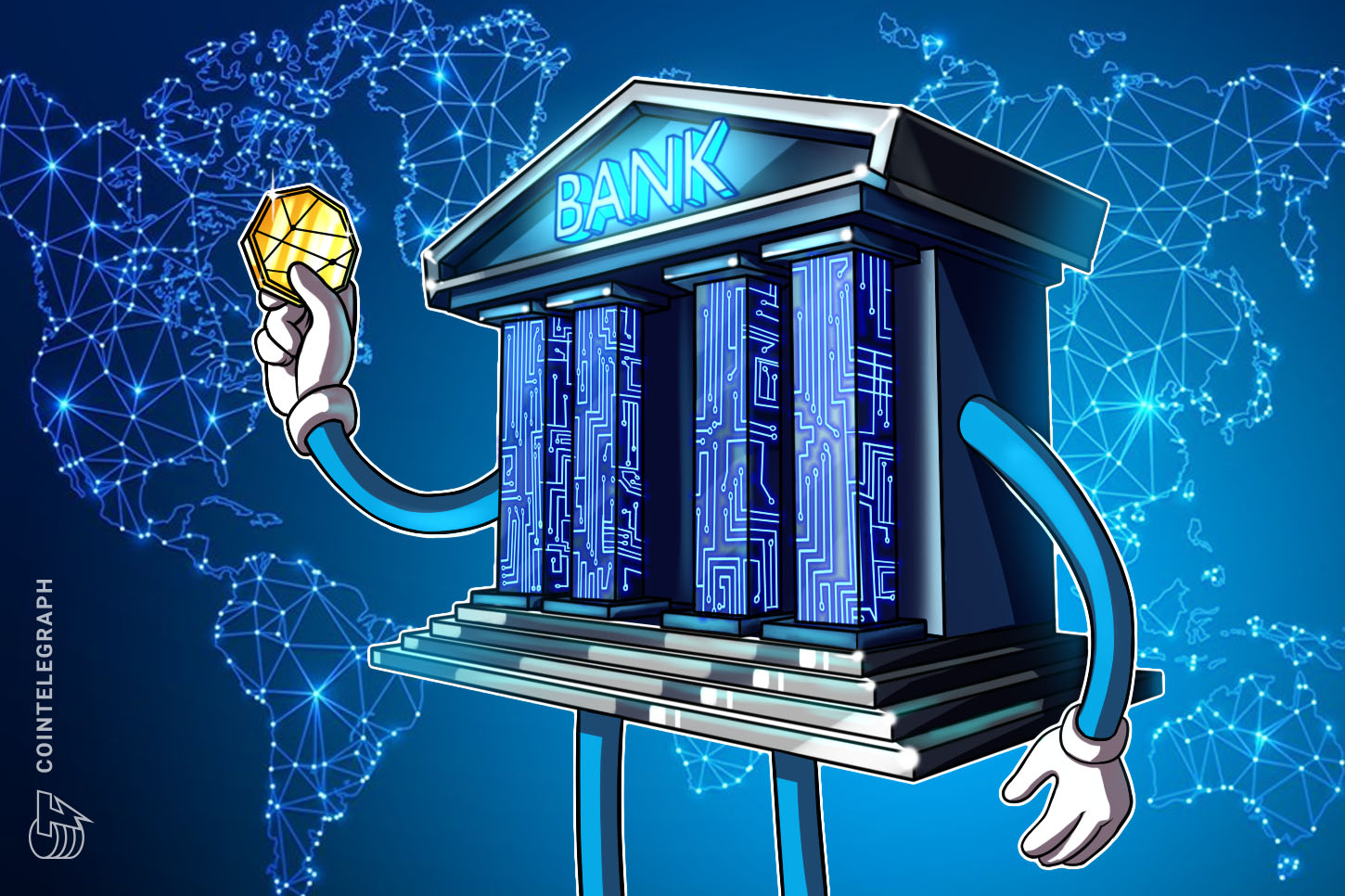
When the World Bank starts talking about stablecoins, the industry usually braces for a lecture on regulation. But this time, they are actually putting skin in the game. By partnering with Circle and Citi, the World Bank is moving beyond the theoretical whitepaper stage and into practical experimentation with programmable money. It is a significant shift in tone for an institution that has historically viewed crypto as a volatility risk rather than a tool for efficiency.
The Practicality of Traceability
The core of this initiative is the World Bank’s existing blockchain platform. The primary goal is not just to move money faster, but to track where it goes. In the world of developing nations and international aid, the “last mile” is where most of the friction happens. Funds disappear into administrative black holes, currency conversion eats away at the capital, and verifying that money reached the intended project is a nightmare of paperwork.
By using USDC and Citi’s infrastructure, the World Bank is essentially trying to create a transparent ledger for global development. For a founder, this is the ultimate use case for blockchain: removing the need for trust in a system that has historically been opaque. If they can prove that a dollar sent from Washington D.C. actually reached a solar farm project in sub-Saharan Africa without losing 20% to middlemen, the entire model of global finance changes.
Why Circle and Citi?
The choice of partners here is deliberate and tells us a lot about the current state of the industry. Circle represents the “compliant crypto” camp. They have spent years positioning USDC as the safe, regulated alternative to offshore stablecoins. By choosing Circle, the World Bank is signaling that they are not interested in the wild west of DeFi; they want a digital dollar that plays by the rules.
Citi represents the legacy bridge. You cannot move billions of dollars in aid without the traditional banking system. Citi has been quietly building out its own private blockchain capabilities and tokenized deposit systems for a while now. This partnership is a marriage of convenience between the new guard of digital assets and the old guard of global banking. It is the kind of institutional alignment that makes crypto skeptics in government offices feel a little more comfortable.
The Founder Perspective: The Reality Check
If you are building in the crypto space, do not mistake this for a sudden embrace of decentralization. This is about efficiency and control. The World Bank is looking for a way to exert more oversight over how their funds are spent, not less. For builders, this means the future of institutional crypto is heavily weighted toward KYC, AML, and programmable restrictions.
We are seeing the birth of “permissioned transparency.” The ledger might be on a blockchain, but you can bet your life that every wallet involved will be linked to a verified identity. If you are building tools for this ecosystem, your focus shouldn't be on anonymity. It should be on reporting, auditing, and compliance automation. That is where the money is going to flow.
The Friction That Remains
Despite the high-profile names, this is still an experiment. The technical hurdles are one thing, but the political hurdles are another. Many of the countries that receive World Bank aid have strict capital controls or do not have the local infrastructure to off-ramp stablecoins into local currency easily. A digital dollar is great, but a farmer in a remote village still needs to buy seeds in his local currency.
This creates a massive opportunity for startups that can solve the off-ramp problem. We have spent a decade building the rails to move money between exchanges and banks. The next decade will be about building the rails to move money between stablecoins and the local economies of the developing world. The World Bank is providing the high-level infrastructure, but they aren't going to build the local apps that people actually use.
What This Means for the Market
Legitimacy is the scarcest resource in crypto right now. Every time a major bank or a global institution like the World Bank validates the technology, the “total addressable market” for stablecoins expands. It moves us away from the narrative that crypto is just for speculation and toward the reality that it is a superior plumbing system for the global economy.
However, we should stay skeptical of the timeline. Institutional wheels turn slowly. This partnership is a pilot, and pilots can take years to become permanent programs. The builders who win will be the ones who stay solvent long enough to see these pilots turn into the new standard for global remittances.
Final Takeaway for Builders
Do not wait for the World Bank to build the solution for you. They are setting the stage and proving the technology works for their use cases. Your job is to look at where their reach ends and figure out how to bridge the gap. If they are handling the large-scale traceability, you should be handling the user experience, the local liquidity, and the integration into existing business workflows.
The era of “stablecoins as a toy” is ending. We are entering the era of stablecoins as a utility. If you aren't thinking about how your project fits into a world of regulated, institutional digital assets, you are likely building for a market that is shrinking. The smart money is moving toward the rails that the World Bank, Circle, and Citi are currently laying down.
Read the original at Cointelegraph →