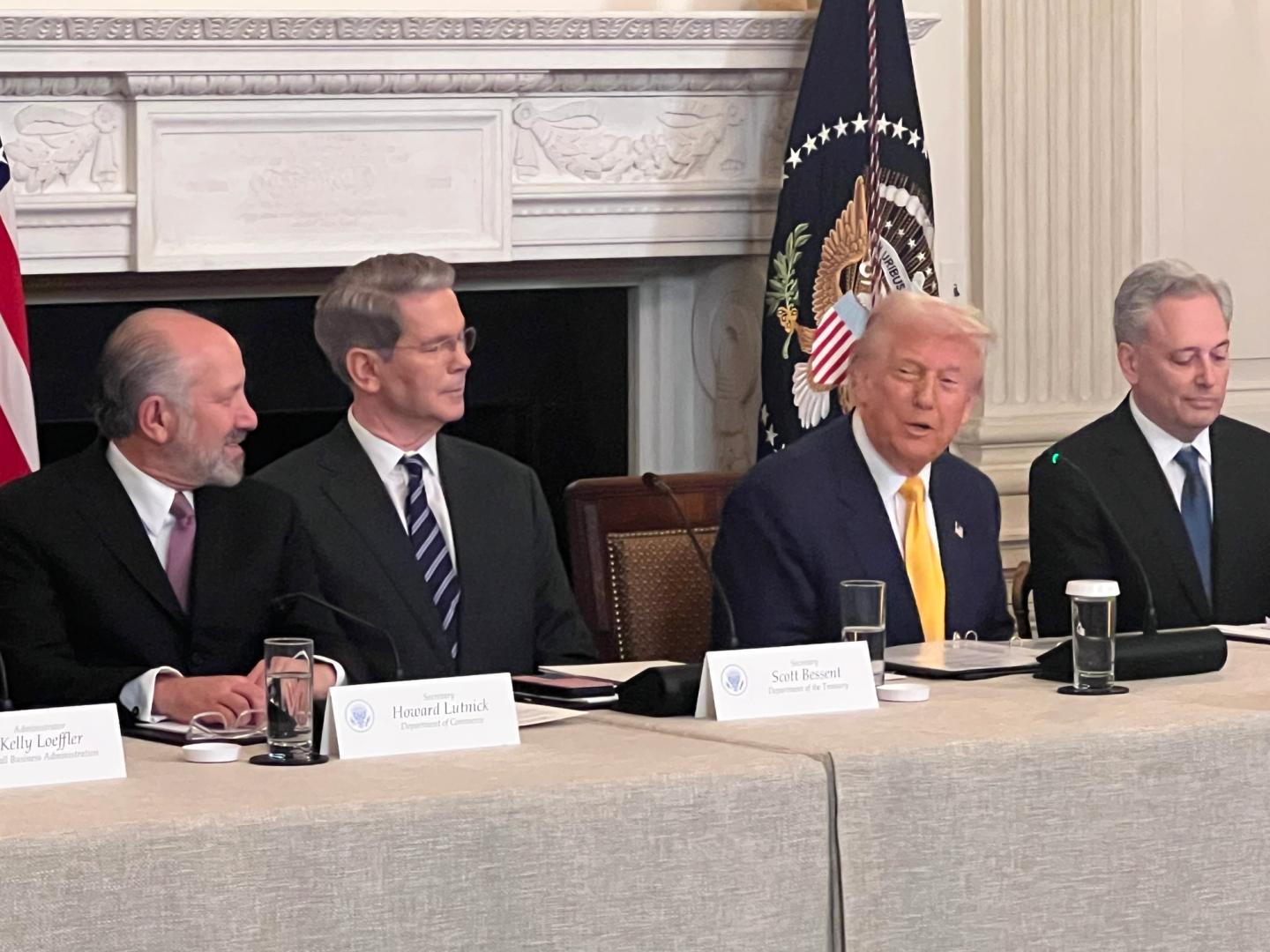
The legislative clock is ticking, and the silence from Pennsylvania Avenue is finally coming to an end. We are looking at a pivotal moment for the Clarity Act. Sources suggest a high-level meeting is being organized between White House officials and key Senate leaders to address the one thing that always gums up the works in Washington: ethics and oversight.
The Sticking Point
For those of us building in this space, we know the drill. We want rules that make sense, but we also want a level playing field. The current friction point in the Clarity Act isn't about the technical definition of a security or how to handle cold storage. It is about the ethics section. Specifically, how much oversight the executive branch gets to exercise over the agencies tasked with regulating us.
The White House has been relatively hands-off in a formal sense until now, letting the Senate committees brawl it out. But with the legislative runway shortening, they have realized that leaving the ethics portion as a vague placeholder is a recipe for a veto or a non-starter. This meeting isn't just a courtesy call; it is a tactical session to determine who holds the leash on the regulators.
Why Builders Should Care
I talk to founders every day who are exhausted by the "regulation by enforcement" era. We want a bill that provides a roadmap. However, if the ethics section of the Clarity Act is too weak, we risk a revolving door between the SEC, the CFTC, and the biggest hedge funds. If it is too restrictive, we might see a stifle on talent where the only people allowed to regulate crypto are those who have never actually used it.
As a founder, you should be watching this closely. The outcome of these White House discussions will dictate the culture of the agencies you'll be reporting to for the next decade. We don't need ivory tower academics who hate the technology, but we also can't afford a system that essentially legalizes front-running through regulatory capture.
The Political Reality
Let's be honest about what is happening here. The administration is looking for a win that doesn't alienate the progressive wing of their party, which is naturally skeptical of anything crypto-related. At the same time, they are under pressure from a growing cohort of pro-innovation voters who are tired of seeing American startups flee to Dubai or Singapore.
The ethics section is the perfect battleground for this tension. By focusing on "ethics," the White House can claim they are being tough on the industry while still allowing a path for the bill to pass. It is a classic political maneuver. They aren't debating the tech; they are debating the optics of the power structure.
The Risk of the Compromise
My concern, and what I see whenever the White House gets involved in the 11th hour, is the "messy middle." There is a high probability that in an effort to reach a consensus, they create a set of rules that are so bureaucratic and complex that only the giants like Coinbase or Circle have the legal budget to comply.
- Complexity favors the incumbent.
- Vague ethics requirements lead to selective enforcement.
- A rushed deal often ignores the needs of the solo dev or the small protocol team.
If the ethics section becomes a massive list of disclosures and cooling-off periods that apply to even mid-level staffers, we could see a brain drain. We need people in government who understand how a smart contract works. If the rules make it impossible for an actual builder to spend a year in public service without ruining their career, we all lose.
The Founder's Perspective
We have to stop looking at these headlines as abstract political theater. For a founder, this is about the cost of doing business. If this meeting results in a massive new layer of executive oversight, expect your compliance costs to go up. If it results in a stalemate, expect another eighteen months of operating in a gray area where the SEC can sue you for existing.
I am skeptical of any "ethics" talk that comes out of a closed-door meeting between politicians and the White House. True ethics in this industry should be about transparency and transparency is baked into the code we write. It is ironic that the people who struggle most with transparent governance are the ones trying to write the ethics rules for decentralized systems.
What to Look for Next
Keep an eye on the language regarding "conflict of interest" definitions. That is where the real fight is. If the definition is broad enough to include anyone who has ever held an airdrop, we are in trouble. If it is narrow enough to only target actual corruption, we might have a functional bill.
We don't need more red tape; we need a clear lane to drive in. The White House getting involved is a sign that the bill is serious, but it is also a signal that the heavy hand of the state is looking for its permanent place in the ecosystem. I'd rather have a direct conversation about technology than a backroom deal about ethics that serves as a proxy for control.
The paradox of crypto regulation is that the more the government tries to ensure fairness through complex rules, the more it creates an environment where only the most well-capitalized players can survive.
The next few weeks will tell us if the U.S. is actually ready to lead or if we are just going to complicate our way into irrelevance. Builders should keep their heads down and keep shipping, but keep one eye on these Senate updates. The rules of the game are being written by people who still struggle to understand how a wallet works, and they are currently debating the ethics of a world they haven't yet inhabited.
The takeaway: The White House entry into the Clarity Act debate is a double-edged sword that could finally provide a path to passage, but only at the cost of increased federal oversight and potentially stifling compliance hurdles for smaller founders.
Read the original at CoinDesk →