The Gatekeepers Want the Keys Back
For decades, the mechanics of who owns what on Wall Street have been managed by a group of low-profile but highly influential entities known as transfer agents. These firms are the record-keepers for public companies. If you own stock, they are the ones making sure those shares are accounted for, dividends are paid, and voting rights are tracked. They are the manual layer of trust in a digital world.
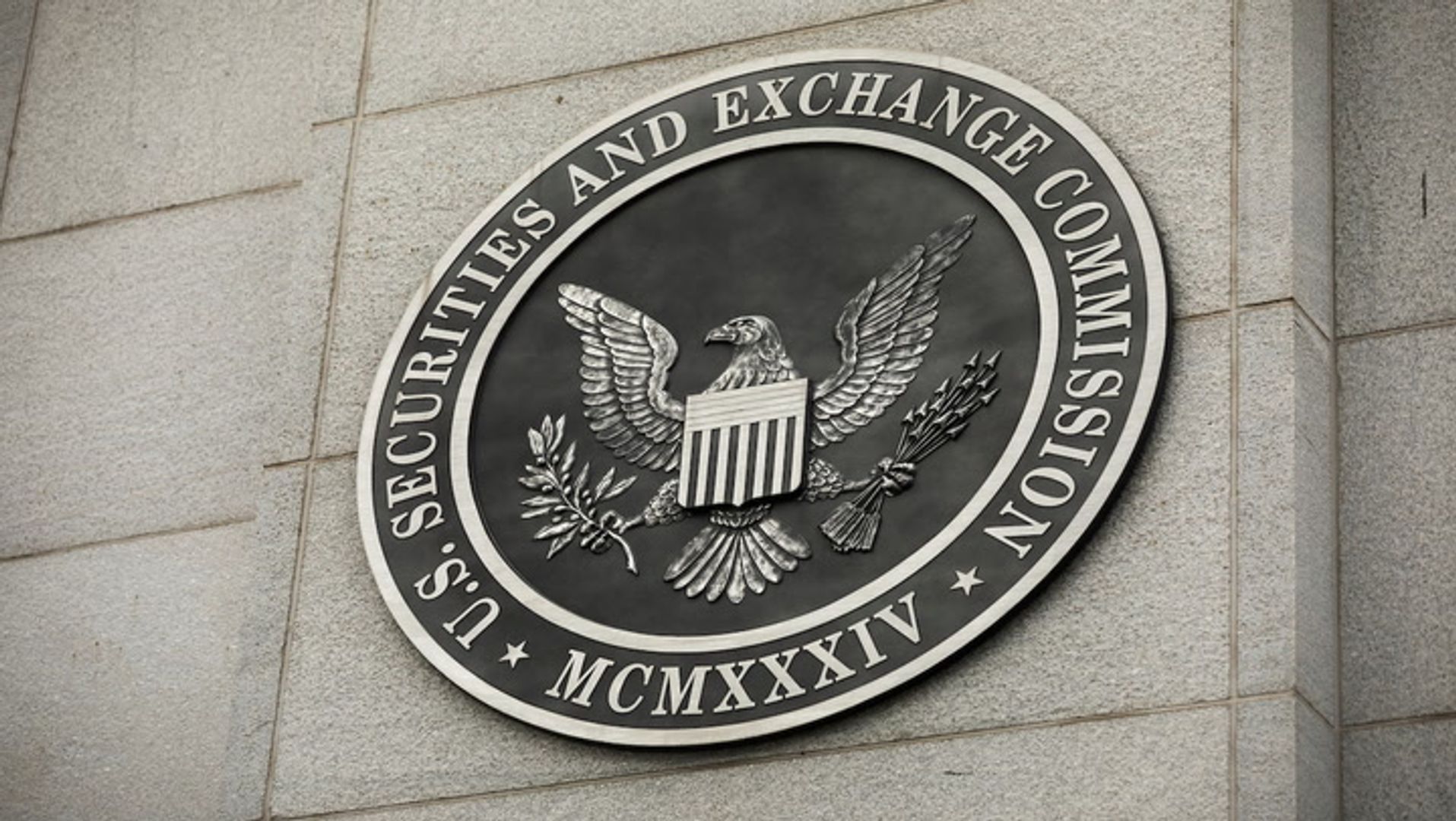
Recently, these gatekeepers, represented by the Securities Transfer Association (STA), have started making noise at the SEC. Their core argument is simple: the rise of third-party tokenization—independent developers putting real-world assets on-chain without the explicit cooperation of the issuing company—is a threat to market integrity. But if you look closer, this is less about protecting investors and more about protecting a business model that is rapidly becoming obsolete.
The Threat of Permissionless Finance
In the crypto world, we talk a lot about permissionless innovation. To a transfer agent, that phrase sounds like a nightmare. The STA is specifically targeting scenarios where a third party takes a company's stock and wraps it into a digital token. This process allows shares to trade 24/7 on decentralized exchanges, far away from the slow-moving systems of traditional finance.
The lobbyists are telling the SEC that this creates a fragmented market. They argue that if a token exists independently of the official record, it leads to confusion over who the real owner is. From a builder’s perspective, this is exactly what we are trying to solve. We want the code to be the truth, not a ledger sitting in a legacy database. The legacy players see this as a loss of control. If a token can move without their manual intervention, their role as the ultimate arbiter vanishes.
Stability or Stagnation?
The STA’s latest push is for preferential treatment. They want future SEC rules to favor company-authorized tokens—the ones they control—while effectively sidelining or banning third-party efforts. They claim this is about preventing fraud and ensuring compliance with KYC and AML laws. While those are valid concerns, the proposed solution is to force all innovation through the same old bottlenecks.
As someone who builds in this space, I see this as a classic defensive maneuver. Every time a new technology threatens to disintermediate a middleman, the middleman runs to the regulator to ask for a moat. They aren't saying tokenization is bad; they are saying it’s only good if they are the ones doing it. This approach ignores the fact that the most robust testing of this tech is happening on the fringes, where third parties are proving that smart contracts can handle complex cap table management better than humans ever could.
What This Means for Founders
If you are building in RWA (Real World Assets) or decentralized finance, you need to watch this closely. The outcome of this lobbying will determine whether the next decade of finance is truly decentralized or just a slightly faster version of the old system. If the SEC sides with the transfer agents, we might end up with a permissioned-only landscape where you have to ask a legacy bank for permission to innovate on top of their assets.
This creates a massive hurdle for developers. Imagine trying to build a new financial product if you have to sign a legal agreement with every single company whose stock you want to represent. It kills the modularity that makes DeFi powerful. The goal should be a standard that allows for verification without centralized permission, but the gatekeepers are fighting for the opposite.
The Integrity Argument
The transfer agents use the phrase market integrity a lot. It’s an effective buzzword because nobody wants a market that lacks integrity. However, we have to ask what provides more integrity: a database managed by a company with its own profit motives, or an immutable, transparent blockchain that anyone can audit in real-time? To the STA, integrity means their oversight. To us, integrity means the math works and the data is public.
The risk of third-party tokens, according to the lobbyists, includes the potential for misaligned corporate actions. If a company issues a dividend, how does the token holder get it if the company doesn't recognize the token? This is a fair point, but it's a technical challenge, not a reason to ban the practice. We should be building better bridges, not building bigger walls.
The Long Game
We are in the middle of a massive land grab for the infrastructure of the future. The transfer agents are right about one thing: the current system is incompatible with a fully tokenized world. But their solution—making everything fit into their existing boxes—is a recipe for stagnation. They want to be the ones who mint the tokens, the ones who burn them, and the ones who collect a fee on every move.
Builders should prepare for a period of regulatory friction. The SEC has a history of listening to established industry groups, especially when those groups use the language of consumer protection. If we want to keep the rails of finance open, we have to prove that decentralized ledger technology provides more security and transparency than the legacy systems it's replacing.
Final Takeaway
The gatekeepers are scared because they realize the ledger is moving away from them. This lobbying push is an attempt to legally mandate their relevance in a world where software can do their jobs more efficiently. For builders, the message is clear: the bridge between traditional stocks and crypto is going to be a legal battlefield before it's a technical one. Keep your eyes on the compliance side of your tech stack, because the legacy players aren't going down without a fight.
Read the original at CoinDesk →