The Illusion of Decentralized Markets
Lately, the industry has been focused on the macro. We talk about institutional adoption, federal regulations, and the next big AI integration. But while leadership looks at the horizon, the basement of the crypto market is still plagued by the same structural rot that has existed since 2017. The recent collapse of Wagyu (WAGYU) isn't just a story about a price drop; it is a clinical demonstration of why founder-led projects need to stop ignoring liquidity architecture.
When a token loses $13.5 million in value in a heartbeat, the immediate reaction from retail investors is to scream 'rug pull.' From a builder's perspective, I look at it differently. I look at the concentration of supply. In the Wagyu case, the forensic trail led to a startling realization: we are seeing a trend where nearly the entire supply of these niche tokens is sitting in a single digital hands. In one specific instance tied to the fallout, a wallet held 99.97% of a token's supply.
The Single Point of Failure
If you are building a project today, you have to understand that your distribution is your destiny. There is a reason Bitquery snapshots are becoming the most important reading material for risk analysts. When a single account controls virtually all the tokens, there is no market. There is only a hostage situation waiting for a catalyst.
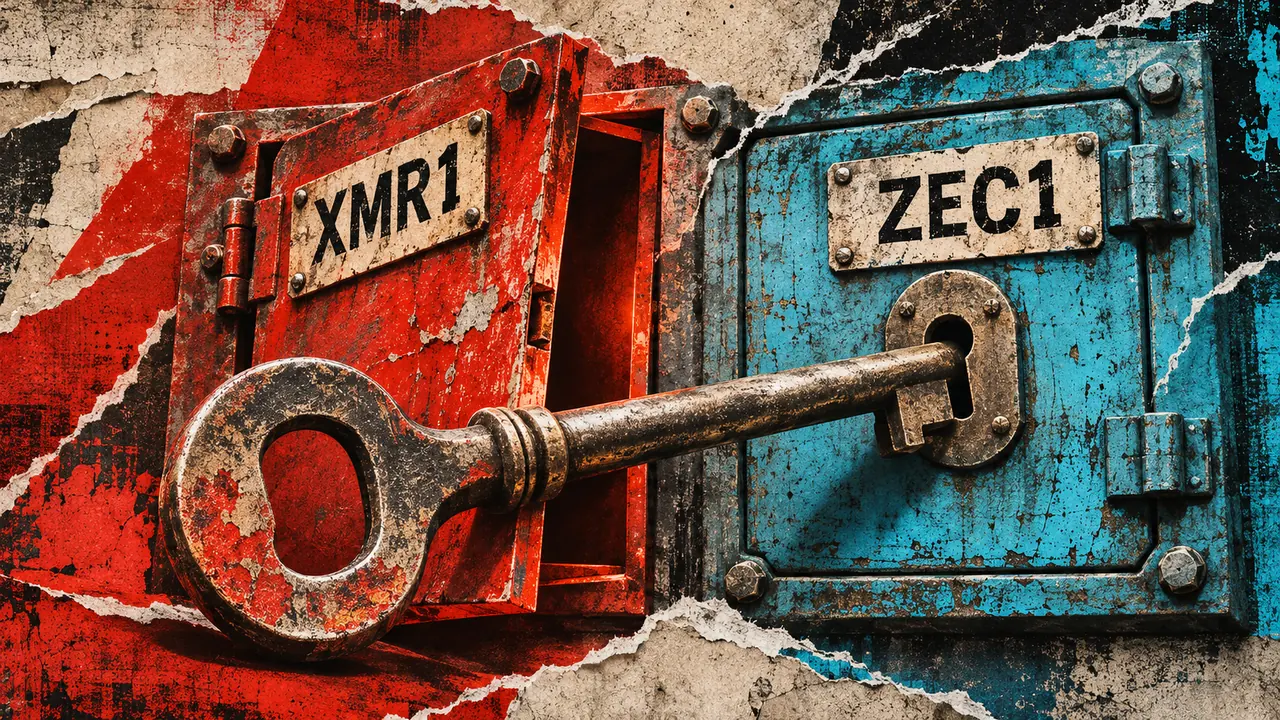
The mechanics of the Wagyu crash were tied to a series of movements involving XMR1 and ZEC1 tokens. On the surface, these might look like diverse assets. Under the hood, the blockchain shows a much tighter loop. When investigators looked at the wallets funding the sellers, they found the same pattern: massive concentration. If 99.9% of your supply is in one place, you haven't built a utility; you've built a liability.
Why Builders Fall for Concentration
I talk to founders every week who think they are being 'safe' by locking tokens or keeping supply tight during the early phases of their roadmap. The logic is usually that it prevents early dumping. But in reality, it creates a lack of trust that sophisticated actors will exploit. If I am an institutional builder or a serious dev looking to integrate a protocol, and I see a wealth distribution chart that looks like a vertical line, I am walking away.
The problem is often ego or a misunderstanding of market makers. Founders want to maintain control so they can 'guide' the price or ensure they have enough dry powder for future development. But high concentration leads to low slippage tolerance. When that one mega-wallet decides to move—even for a legitimate reason—the automated market maker (AMM) pools can't handle the pressure. The price doesn't just dip; it vanishes.
Liquidity as a Product Feature
We need to start treating liquidity distribution as a core product feature, not a post-launch afterthought. If your tokenomics model allows for a single entity to hold more than 10% of the circulating supply without a multi-year vesting schedule that is visible on-chain, you are part of the problem. The Wagyu incident shows that 'wrapped' or 'pegged' assets are particularly vulnerable to this, as they often lack the oversight of the native chains they represent.
- Transparency is the only hedge: Use tools like Bitquery or Etherscan to show your community the actual spread of tokens. If it’s concentrated, explain why and fix it.
- Avoid 'Ghost Markets': If you have $10 million in market cap but only $50,000 in actual liquidity, your market cap is a lie.
- The Founder's Responsibility: Your job isn't just to write code; it's to ensure the economic environment your code lives in is stable enough to survive a single bad actor.
The Skeptic's Takeaway
I’m not here to tell you that every concentrated wallet is a scam. Sometimes it’s just poor planning or a technical necessity that stayed in place too long. However, as an editor and a builder, I have to be honest: the market doesn't care about your intentions. It only cares about the math. And the math says that 99.9% concentration always leads to a crash.
The Wagyu fallout is a wake-up call for the mid-tier of the market. If we want the world to take crypto-AI and decentralized finance seriously, we have to move past the era of single-wallet dominance. Builders need to prioritize wide distribution over controlled price action. If you don't, you're not building a future; you're just building a house of cards that a single transaction can knock down.
Real decentralization isn't about the number of nodes on your network; it's about the number of hands holding your tokens. If you own it all, you've already failed.
Read the original at CryptoSlate →