Ethereum has a weight problem. If you have ever tried to run a full node, you know the struggle. We are talking about hundreds of gigabytes, soon to be terabytes, of state data. For most founders, this is a massive barrier to entry. It forces us to rely on centralized providers like Infura or Alchemy just to talk to the chain. That is not the decentralization we were promised.
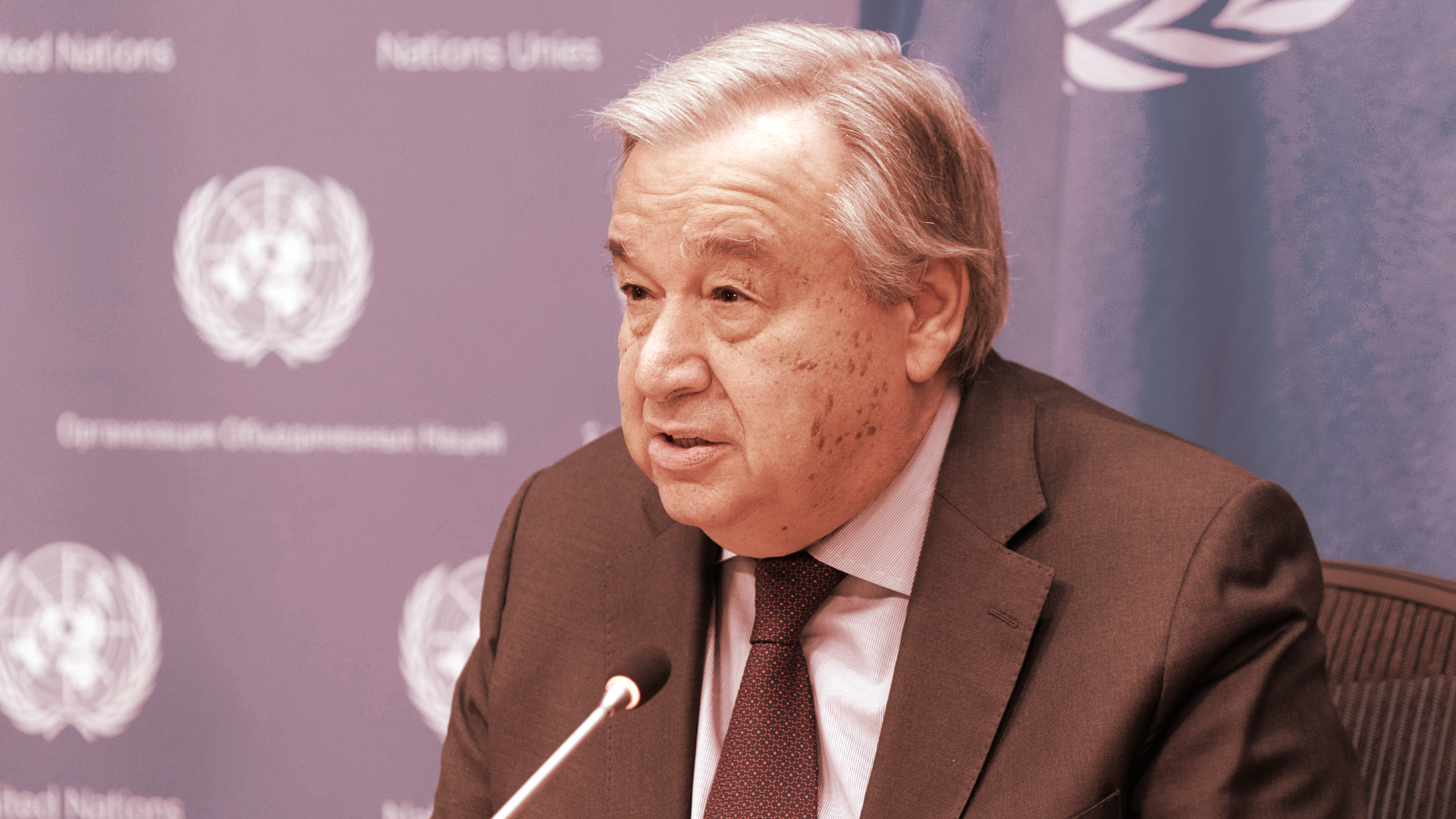
Vitalik Buterin just laid out a vision for what he calls an Extremely Lean Ethereum. The goal is simple: shrink the chain until the state is basically zero. He wants to move the burden of tracking account balances and contract storage away from every single node and into a specialized proof system. If it works, we stop fighting the infrastructure and start building the applications.
The Two-Step Slim Down
The roadmap involves two major shifts in how Ethereum handles its own memory. The first part is about who holds the bags. Right now, every validator has to keep a copy of the entire state. Vitalik wants to shift this. Instead of a massive database, validators would only need to hold the information relevant to the current block they are processing. This is a move toward statelessness, where the proof of the data is more important than the data itself.
The second part is the heavy lifter: Zero-Knowledge (ZK) proofs. Specifically, Vitalik is looking at replacing the way the network updates balances every epoch. Instead of the chain constantly churning through thousands of tiny balance changes, a ZK proof could verify that all those changes happened correctly without needing to store the individual transaction history on the base layer. It is like getting a receipt that proves the math was done correctly, so you can throw away the original pile of scribbled notes.
Why Builders Should Care
If you are building a dApp today, you are likely shielded from this complexity by third-party APIs. But that abstraction comes with a cost. You are trusting a middleman to tell you the truth about the chain. When the chain becomes lean enough that a mobile phone or a basic laptop can verify it, the trust model changes completely. We move away from the service-provider era and back into a true peer-to-peer ecosystem.
For those of us in the AI and crypto intersection, this is even more critical. AI agents need to interact with the blockchain autonomously. If an agent has to ping a centralized API every time it wants to check a balance, it introduces a point of failure and latency. A lean chain allows for embedded verification. Imagine an autonomous agent that carries its own verification logic without needing a massive server farm to back it up.
Cutting the Bloat Without Losing the History
One of the biggest concerns with shrinking a chain is losing the history. We have seen this debate in other ecosystems: if you delete the old data to keep the chain fast, are you still a permanent ledger? Vitalik’s approach tries to bridge this by separating the state from the history. The chain stays light, while historical data is stored in distributed archives.
As a founder, I appreciate this pragmatism. We do not need every node on the network to know what happened in block 500,000 from years ago. We just need to know that the current state is valid. By offloading the storage of the past while securing the integrity of the present, Ethereum becomes a faster, more agile platform for new code.
The ZK-Everything Future
It is becoming clear that ZK proofs are no longer just a scaling trick for Layer 2s. They are becoming the primary architectural tool for Layer 1 itself. Vitalik is essentially proposing that we turn Ethereum into a ZK-SNARK of its own operations. This is a massive technical lift, and we should be skeptical of the timeline. Moving from a traditional database model to a proof-based model is like replacing the engine of a plane while it is carrying billions of dollars in cargo.
However, the direction is correct. The biggest threat to Ethereum isn’t other chains; it is its own success. The more people use it, the heavier it gets. If we do not solve the state bloat issue, the network will inevitably centralize around the few entities that can afford the hardware to run it. Vitalik’s Lean Ethereum is a preemptive strike against that outcome.
What to Watch For
Keep an eye on the development of EIPs related to Verkle trees and state expiry. These are the building blocks for this lean vision. If you are starting a project today, start thinking about how your data footprint affects your users. The future of the web isn’t about who has the biggest hard drive; it’s about who can prove their state the fastest.
Ethereum is moving from a system of record-keeping to a system of verification. If you want to survive as a builder, you need to understand the difference.
Ultimately, a lean Ethereum means lower costs for developers and higher security for users. It removes the friction that makes current blockchain development feel like pulling teeth. We are still years away from near-zero state, but the roadmap is finally pointing toward a chain that can actually scale without leaving the average user behind.
Read the original at The Block →