The Price of a Secret
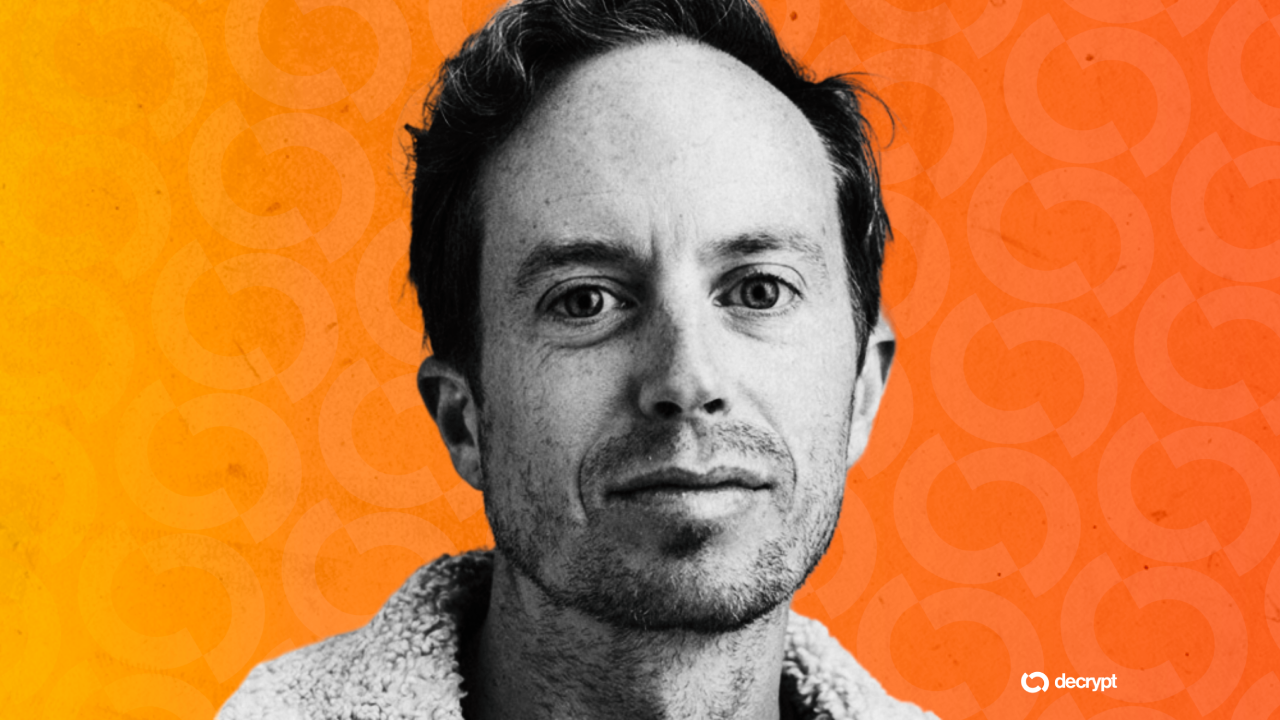
Erik Voorhees has spent the better part of a decade trying to convince people that they should own their own money. Now, he is trying to convince them that they should own their own thoughts. His latest project, Venice AI, recently hit a $1 billion valuation. While that number is a vanity metric in the current venture capital climate, the thesis behind it is worth ignoring the hype for: privacy is becoming the ultimate luxury good in technical stacks.
We have all settled into a comfortable, albeit dangerous, relationship with the big AI providers. You type your startup ideas, your proprietary code, and your personal neuroses into a chat box, and in exchange, you get a decent answer. But the trade is lopsided. You are feeding the model, and more importantly, you are handing over a record of your intent to a centralized entity that answers to shareholders and government subpoenas.
The Illusion of Deletion
Most builders think that hitting the delete button on a conversation thread actually removes the data. It does not. In the world of centralized AI, your data is logged, parsed, and often used for further training. For a founder, this is a massive liability. If you are building a competitive advantage, why would you feed your logic into a system owned by a potential competitor?
Venice AI operates on a different premise. It does not store your prompts. It does not know who you are. By using decentralized infrastructure and refusing to log user interactions, Voorhees is building a moat around the user rather than a wall around the software. The $1 billion valuation suggests that investors are finally realizing that not everyone wants their digital brain mapped by a massive corporation.
Why Builders Should Care
If you are a developer, the appeal of Venice isn't just about avoiding Big Brother. It is about sovereignty. When you build on top of a centralized API, you are at the mercy of their content filters and their changing terms of service. We have seen this play out in social media and in payment processing. If your application relies on a model that decides your use case is suddenly "unsafe" or "non-compliant," your business disappears overnight.
Voorhees is arguing for a world where AI is a utility, not a surveillance tool. For builders, this means:
- Reduced Platform Risk: You are less likely to be de-platformed for ideological or political reasons.
- Intellectual Property Security: Your proprietary workflows stay within your own ecosystem.
- User Trust: If you are building for sensitive industries like law or medicine, you can actually look a client in the eye and say their data isn't being fed back into a global training set.
The Tradeoff
Let's be honest: privacy usually comes with a performance tax. The reason ChatGPT and Claude are so good is because they have massive, centralized feedback loops. They know what people like because they watch people use it. When you opt for a private solution like Venice, you are often stepping slightly back in terms of the raw "magic" of the output in exchange for security.
However, that gap is closing. Open-source models are getting remarkably good, and Venice is essentially a specialized wrapper and delivery mechanism for those models that prioritizes the user's anonymity. The question for a founder is simple: is a 5% increase in model intelligence worth a 100% loss of data privacy?
Privacy is not about having something to hide; it is about having something to protect. In the context of AI, that something is your competitive edge.
Market Reality Check
While a $1 billion valuation is impressive for a company challenging the status quo, we need to look at the landscape. OpenAI is valued at over $150 billion. Venice is a David in a field of Goliaths. But the narrative is shifting. The first wave of AI was about capability—what can this thing do? The second wave, which we are entering now, is about permission—who is allowed to see what I do with it?
We are seeing a convergence of crypto-economic principles and artificial intelligence. Voorhees is a crypto native, and Venice reflects that. It uses decentralized compute where possible and avoids the gatekeeping that has defined the web2 era. This isn't just a chatbot; it is a stress test for the idea that people actually value their digital freedom.
The Founder Perspective
If I am starting a company today, I am very wary of locking my internal operations into a centralized AI silo. I've seen too many friends have their accounts banned or their data compromised. The valuation of Venice indicates that there is a market for the "uncensored and private" niche, but the real test will be whether they can maintain the user experience as they scale.
Builders often prioritize speed over security. It is easy to just grab an OpenAI API key and start shipping. But technical debt isn't just about messy code; it's about the dependencies you build into your business model. If your business model depends on a company that views your data as its own property, you are building on sand.
Final Takeaway
The rise of Venice AI is a signal that the honeymoon period with centralized AI is ending. People are starting to realize that these tools are observers as much as they are assistants. For the builder community, the move toward private, decentralized AI alternatives isn't just a moral choice—it’s a strategic one. You don't build a fortress by giving the keys to the kingdom to the guy across the street. Venice is betting a billion dollars that you'll eventually want your own keys.
Read the original at Decrypt →