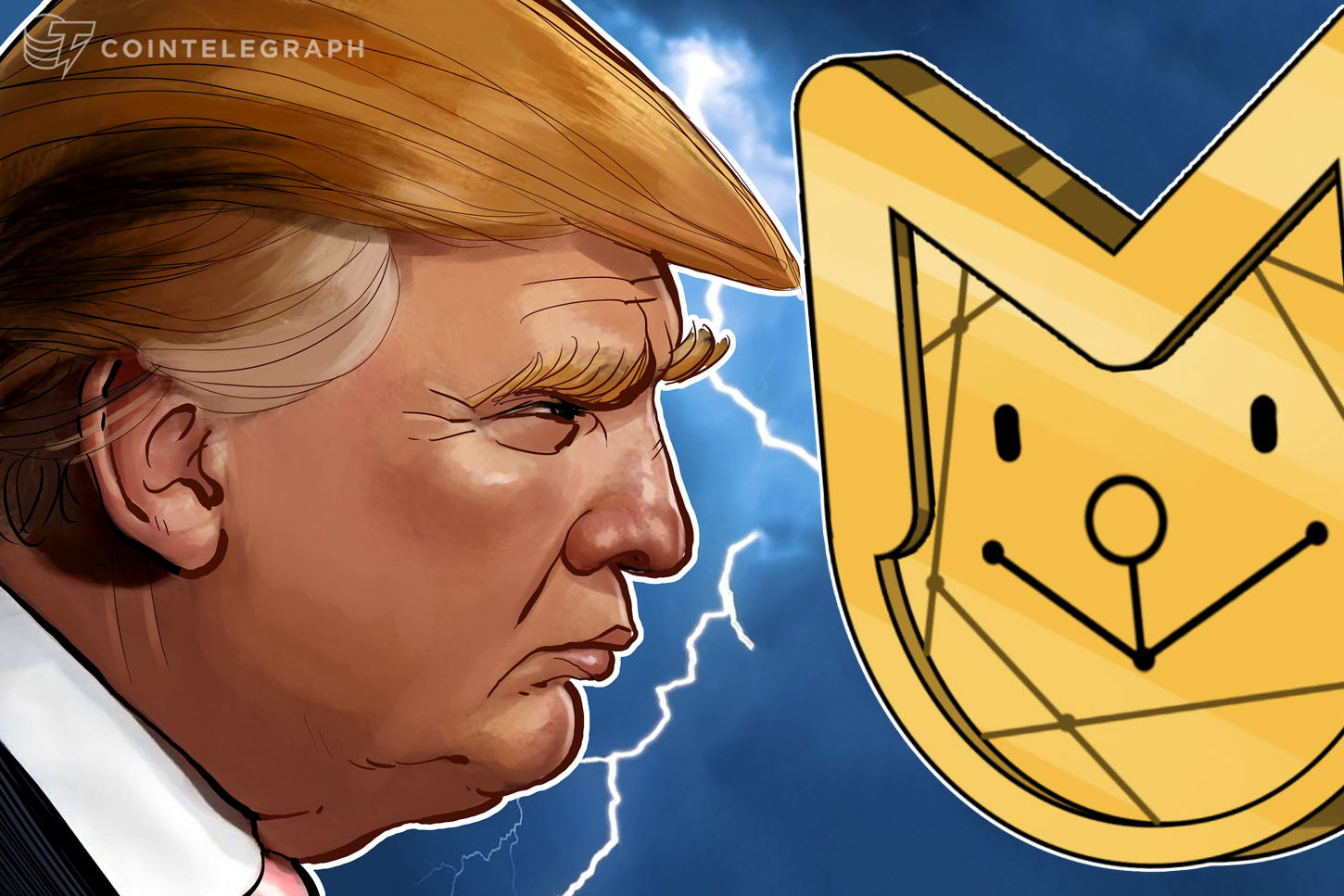
We have reached a phase in the cycle where the lines between political theater and financial speculation are essentially nonexistent. Over the last few months, we have seen a surge in tokens tied to various candidates, political movements, and even specific elected officials. Now, the regulatory blowback is beginning, and it is coming for the people inside the Capitol.
The Proposed Shutdown
Senator Kirsten Gillibrand recently introduced a proposal that would effectively bar high-level government officials from launching their own digital assets. The rule is simple: if you are a member of Congress, the President, or even a spouse of these officials, you cannot issue or sponsor a cryptocurrency. This is not just a suggestion; it is a move to create a clear barrier between public office and the volatile world of memecoin speculation.
For those of us building actual products, this feels like common sense. But in the current environment, it is a necessary intervention. We have seen a trend where clout is being monetized through liquidity pools, and when those influencers are the same people writing our laws, the conflict of interest becomes a massive red flag for the entire industry.
The Ethics of the Office
The primary concern here is insider influence. When a politician launches a token, they are not creating utility. They are not solving a scaling problem or making cross-border payments easier. They are leveraging their public platform to pump a speculative asset. This is problematic for several reasons:
- Regulatory captured markets: A senator who owns a significant portion of a token they issued has every incentive to craft legislation that favors that specific asset or its underlying chain.
- Public trust: The crypto space already struggles with its reputation. Having the President or a member of Congress involved in what basically amounts to a rug-pull-ready memecoin makes the entire sector look like a joke.
- The distraction factor: We need lawmakers focused on clear frameworks for stablecoins and institutional custody, not managing their own Telegram shill groups.
Gillibrand’s move is an extension of existing ethical standards, but it targets a new medium. If a politician cannot trade specific stocks based on non-public information, they certainly shouldn't be creating the very assets they have the power to regulate.
Why Builders Should Care
On the surface, any new restriction on crypto feels like a loss. But this one is different. For founders, these "politician coins" are a nuisance. They suck liquidity out of the market and divert attention away from projects with actual roadmaps. Every time a political memecoin crashes by 90%, it reinforces the narrative that crypto is nothing more than a casino for the elite.
If this ban goes through, it cleans up the signal. It forces the market to focus on innovation rather than who can get a shoutout from a committee member. It also prevents the inevitable lawsuits and Congressional hearings that would follow a high-profile political token collapse. We don't need the SEC and the DOJ spending the next five years untangling a mess created by a sitting member of the Senate who decided to play founder for a weekend.
The Spouse Loophole
One of the most interesting parts of this proposal is the inclusion of spouses. This is a direct response to how traditional stock market ethics have been bypassed in the past. We have all seen the headlines about spouses of powerful officials making perfectly timed trades in tech or energy stocks. By including families in this ban, Gillibrand is trying to close the exit before people can start using their partners to front-run the market.
This suggests that the government is finally starting to understand how crypto plumbing works. They realize that a token is not just a coin; it is a programmable incentive. If a spouse can hold the private keys to a massive treasury, the conflict of interest is exactly the same as if the official held it themselves.
A Distinction Between Support and Issuance
It is important to note what this is not. This proposed ban does not stop a politician from being pro-crypto. It doesn't stop them from accepting campaign donations in Bitcoin or advocating for better industry standards. It specifically targets issuance and sponsorship. This is a critical distinction.
We want politicians to understand the tech. We want them to use the tools. But we do not want them to be the ones minting the supply. When a lawmaker becomes a market participant in such a direct way, they lose the ability to be an objective arbiter. For the industry to mature, we need regulators who are informed, not invested in their own personal forks.
The Reality Check
Is this going to pass? That remains to be seen. The wheels of Congress turn slowly. However, the fact that this is even being discussed shows that the "Wild West" era of political memecoins might be shorter than expected. For builders, this is a sign that the sector is being taken seriously enough that the government is worried about its own people exploiting it.
The goal of crypto is to decentralize power, not to provide a new way for centralized figures to extract value from the public under the guise of innovation.
If we want to build a financial system that is actually better than the one we have, we have to hold our leaders to a standard that prevents them from turning the legislative process into a liquidity event. Gillibrand’s proposal is a rare example of a regulation that actually protects the integrity of the market without stifling the people who are actually writing code.
Final Takeaway
Politicians have plenty of ways to influence the world. They don't need their own tokens to do it. If you are building a real project, this ban is good for you. It removes the noise and keeps the focus on the technology. Let the politicians stick to policy, and let the founders stick to building. Mixing the two has never ended well for the retail investors who end up holding the bag.
Read the original at Cointelegraph →