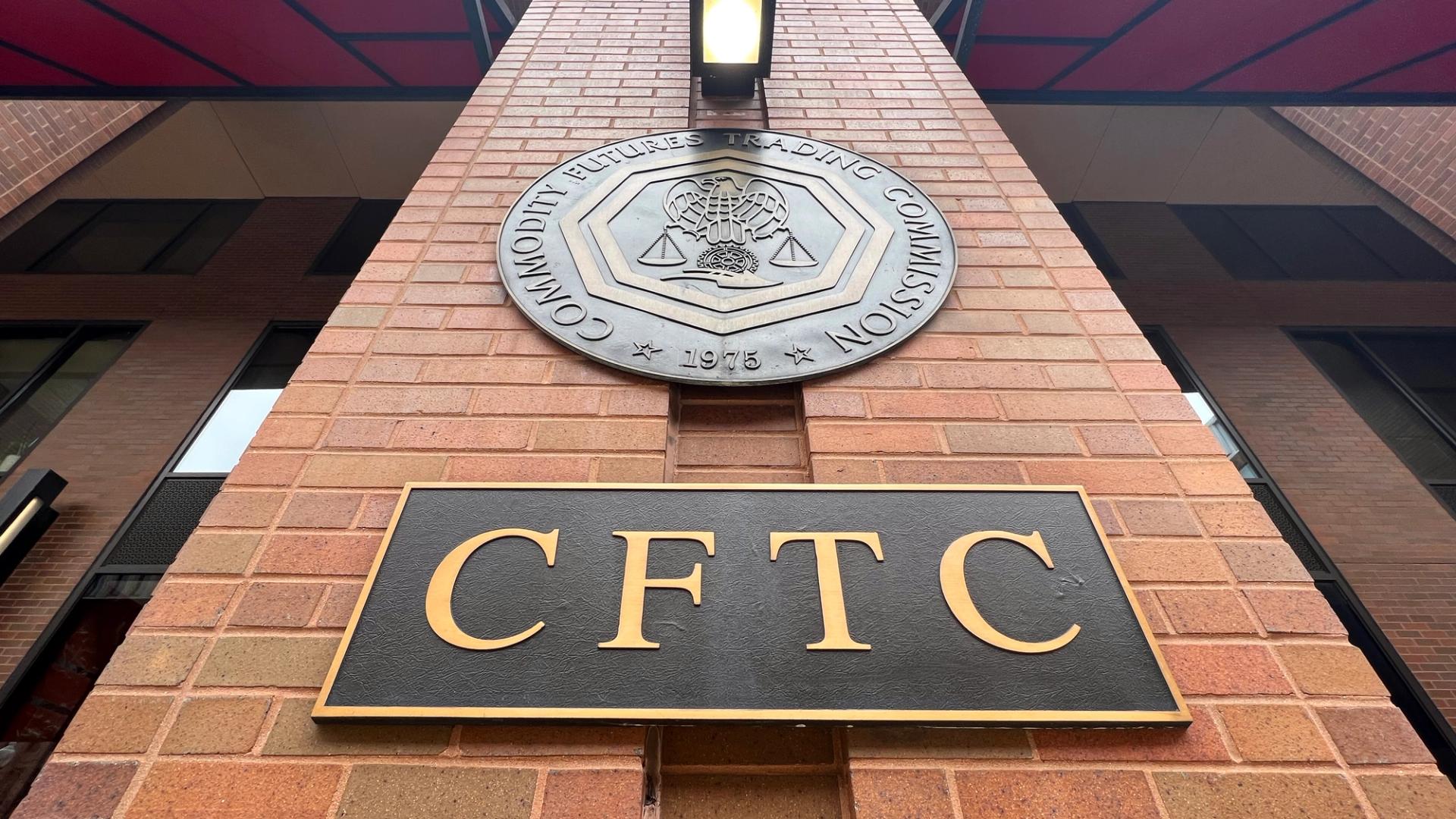
The honeymoon phase for prediction markets is officially over. We have seen this cycle before in the crypto world: a new technology finds a clear use case, adoption spikes, and the regulators show up with a clipboard and a list of grievances. This time, the Commodity Futures Trading Commission (CFTC) isn't just watching; they are issuing specific warnings about how these platforms are listing their contracts.
Specifically, the regulator is concerned about the shortcut culture emerging in event contracts. As these platforms race to capture volume from political cycles and global events, they have started relying on what the CFTC calls 'cookie-cutter' self-certification. For founders and builders in the decentralization space, this is a loud signal that the period of asking for forgiveness instead of permission is closing fast.
The Problem with Templates
In theory, self-certification is supposed to be a tool for efficiency. It allows a platform to state that a new product complies with existing laws without waiting for a lengthy approval process for every single individual market. But the CFTC is noticing a trend where firms are using generic templates to justify complex, high-stakes bets on public events.
When you are building a protocol, it is tempting to use a one-size-fits-all legal framework to get to market faster. However, the regulator’s latest advisory makes it clear that they view this as cutting corners. They are essentially saying that if a platform wants to offer a market on something as sensitive as a U.S. election or a judicial outcome, they cannot just copy-paste the compliance logic from a commodity future. Each contract needs a bespoke analysis of its impact on the public interest and its susceptibility to manipulation.
The Public Interest Trap
The most dangerous phrase for any builder in this space is "contrary to the public interest." It is a vague, catch-all term that regulators use when they do not have a specific statute to point to, but they know they don't like what you're doing. The CFTC has historically used this to block markets that look too much like gambling or could somehow interfere with the democratic process.
By warning against generic self-certifications, the commission is putting platforms on notice: if your contract relates to an election or an event that impacts public policy, a template will not save you. They want to see the homework. They want to see how the platform plans to prevent insiders from betting on information that isn't public, and how they ensure the market doesn't become a tool for voter manipulation.
What This Means for Founders
If you are building in the prediction market space, you have two choices right now. You can continue to push the boundaries and risk a total shutdown, or you can lean into the friction. Leaning into the friction means hiring the expensive compliance teams now, rather than after the subpoena arrives.
We are seeing a divergence in the market. There are the offshore platforms that operate with essentially no guardrails, and the domestic platforms that are trying to play ball. The domestic players are finding that the ball is getting heavier. The CFTC’s advisory suggests that the agency is tired of seeing the same recycled arguments for why a political bet qualifies as a legitimate hedging tool. They are signaling that the burden of proof has shifted entirely to the developer.
The regulatory ceiling is lowering. It is no longer enough to build a fair engine; you now have to prove the engine serves a societal good that outweighs the risk of it being used as a casino.
The Infrastructure Opportunity
There is silver lining here for builders who aren't interested in running their own exchange. The regulatory crackdown creates a massive demand for better compliance infrastructure. If platforms are being told they can't use generic templates, they need tools that can generate custom, data-backed risk assessments for every new market they list.
I see a massive opening for AI-driven auditing tools that can analyze the 'public interest' risk of a contract before it is submitted. If you can build a system that automates the deep-dive research the CFTC is asking for, you aren't just building a startup; you are building a bridge that allows the entire industry to stay alive.
Don't Ignore the Signal
It is easy to dismiss these advisories as bureaucracy for bureaucracy's sake. But in the current climate, these memos are often the preamble to enforcement actions. The CFTC is giving the industry a chance to self-correct before they start swinging the hammer. The 'move fast and break things' era of event contracts is hitting the wall of government oversight.
For those of us watching the intersection of crypto and prediction markets, the message is clear. The technology has proven it can scale and that there is a massive appetite for these types of markets. Now, the challenge isn't technical adoption; it is legal survival. Founders who ignore the nuance of individual contract certification are betting their entire company on the hope that the regulator is bluffing. Historically, that is a losing bet.
Takeaway for Builders
- Stop relying on legal templates for new market listings; the CFTC is specifically looking for these 'cookie-cutter' approaches.
- Expect 'public interest' to be the primary weapon used against election-based markets.
- Invest in internal research and documentation that proves a market is resilient against manipulation BEFORE you list it.
- The market for compliance-as-a-service in the prediction space is currently underserved and highly valuable.
The regulators are not trying to stop the technology; they are trying to force it into a box they understand. As a founder, your job is to make sure that box doesn't become a coffin for your project. Honesty about the risks and a willingness to do the boring work of compliance is the only way forward.
Read the original at CoinDesk →