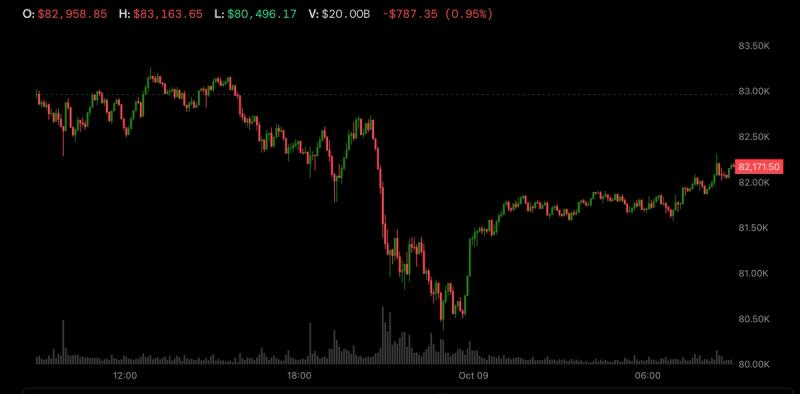
We just saw a billion dollars move on-chain, and it didn't come from a whale or a hedge fund. It came from the U.S. Marshals. Specifically, a wallet associated with the 2016 Bitfinex hack just woke up, transferring 12,267 BTC to a fresh, unlabeled address. When the government starts moving large blocks of seized assets, the market tends to hold its breath. But if you are building in this space, you need to look past the immediate price action and see what this actually represents.
The Ghost of Bitfinex
For those who weren't around in 2016, the Bitfinex hack was one of those industry-defining disasters that makes you question the longevity of the entire ecosystem. Nearly 120,000 Bitcoin were siphoned off. At the time, it was a massive blow. Today, those coins represent one of the largest concentrated holdings of digital wealth on the planet. The fact that the U.S. government is now the custodian of these funds is a strange irony that founders shouldn't ignore.
We are seeing the Department of Justice act as a de facto institutional manager. When they move $1 billion, they aren't just cleaning up a ledger; they are signaling that they have the infrastructure and the intent to manage these assets on their own timeline. For builders, this is a reminder that the 'wild west' era of unrecoverable loot is slowly being replaced by a system where the state is the ultimate auditor.
Why the Movement Matters
Typically, when the government moves funds to a new, unlabeled address, it signifies one of three things: a planned auction, a transfer to a third-party custodian like Coinbase Prime, or internal rebalancing for security purposes. The timing here is what catches the eye. We are in a period of intense regulatory scrutiny, yet the government is perfectly comfortable managing and transacting in the very assets they often criticize.
If you are a founder building a DeFi protocol or a custody solution, watch how the Marshals handle these transfers. They are setting the standard for how large-scale seized digital assets are managed. They aren't using experimental mixers or obscure bridges. They are moving directly on-chain, utilizing the transparency of the ledger to maintain their own chain of custody. It is a masterclass in using the technology against the people who used it for crime.
The Liquidity Hangover
The immediate fear in every Telegram group and Twitter thread is a massive market dump. A billion dollars in sell pressure isn't nothing. However, the government rarely just 'market sells' into a thin order book. They usually favor over-the-counter (OTC) desks or structured auctions to minimize slippage. They want the cash, not the headlines about crashing the market.
For builders, this volatility is a feature, not a bug. It tests the resilience of your liquidation engines and the depth of your pools. If your project relies on Bitcoin price stability to function, you are building on sand. The government is now one of the largest 'whales' in existence, and their goals are not aligned with your ROI. They are driven by bureaucratic mandates and legal timelines, not market cycles.
A Founder’s Perspective on State Ownership
There is something inherently contradictory about a decentralized currency being held in multi-billion dollar chunks by a centralized government. It highlights the gap between the cypherpunk ideal and the current reality. If you are building tools for privacy or decentralization, this move is a stark reminder of why those tools matter. As long as the government can seize and move billions at will, the 'sovereignty' of the individual remains a work in progress.
However, from a purely pragmatic standpoint, this movement validates the asset class. The government wouldn't spend this much energy managing a billion-dollar pile of 'magic internet money' if they didn't recognize its inherent value and liquidity. They treat it like gold or seized real estate. That’s a signal of permanence that no regulatory white paper can match.
Building for the New Reality
We need to stop acting surprised when the government interacts with the blockchain. They have the best forensic tools in the world, and they are getting better at using them. If your business model relies on the government being 'too slow' or 'too tech-illiterate' to keep up, you are in trouble. This Bitfinex transfer shows they are active, they are competent, and they are holding.
The focus for builders should be on creating systems that are resilient regardless of who holds the largest wallets. We need better institutional-grade custody that doesn't rely on a single point of failure, and we need liquidity layers that can absorb a billion-dollar shift without breaking. The government is just another participant now—a very large, very unpredictable participant.
The Takeaway
Don't sweat the billion-dollar move as a price event; view it as a milestone in the institutionalization of crypto. The U.S. government is now a permanent fixture in the Bitcoin ecosystem, acting as a custodian of last resort for stolen funds. For founders, this means the bar for security and compliance just got higher. The state is watching the ledger as closely as you are, and they aren't afraid to move the pieces on the board.
Read the original at Decrypt →