The $131 Million Wake-Up Call
In the world of crypto, we talk a lot about decentralization and the power of censorship resistance. It is the bedrock of why most of us started building in this space. But this week, the US Treasury issued a sharp reminder that when digital assets intersect with global geopolitics, the 'unstoppable' nature of code often meets the very stoppable reality of centralized infrastructure and government mandates.
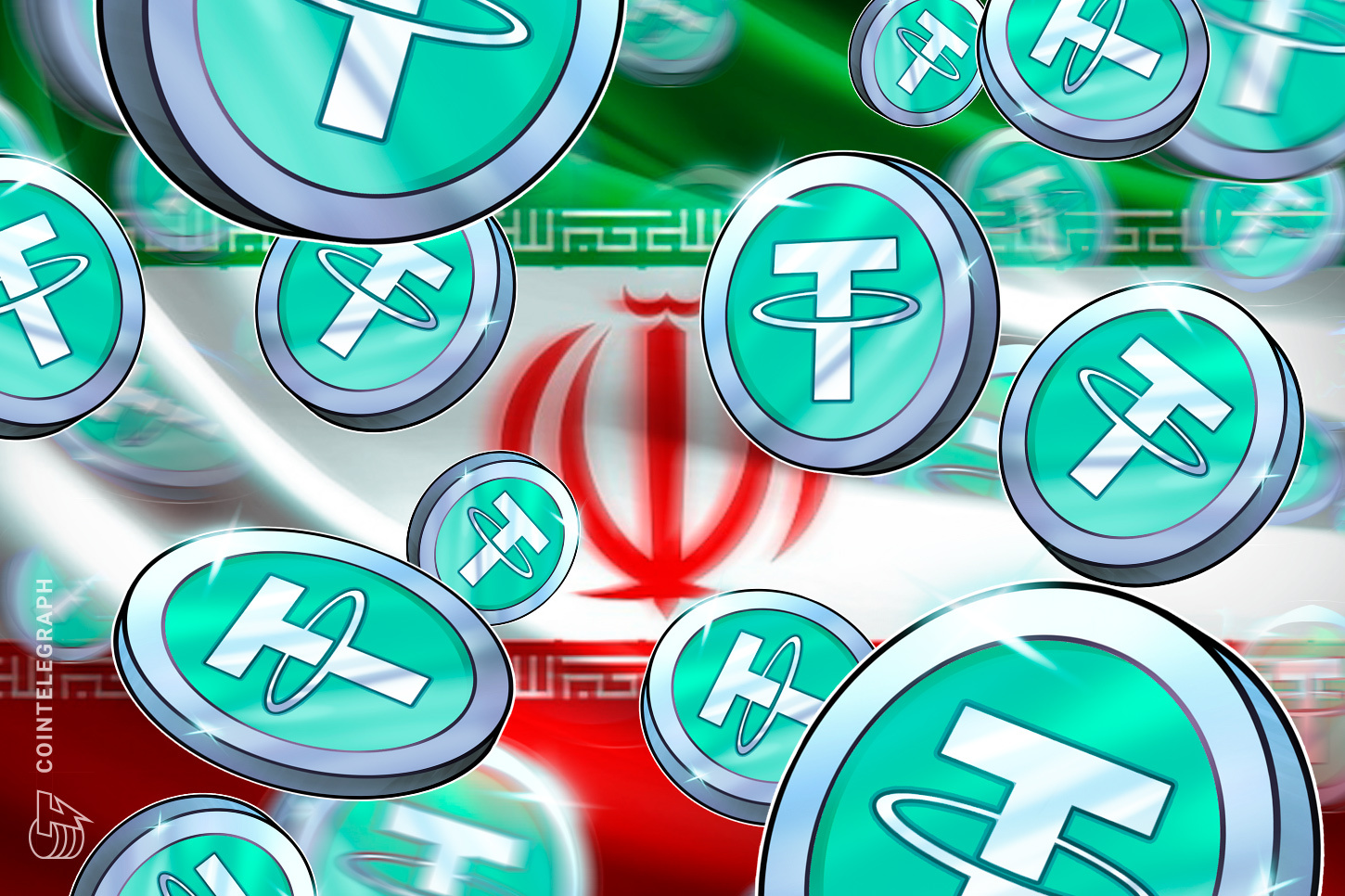
Treasury Secretary Scott Bessent announced the freezing of $131 million in cryptocurrency assets reportedly linked to Iranian financial networks. This move comes as Middle East tensions continue to escalate, and the US government is making it clear that they view crypto not just as a financial innovation, but as a primary front in modern economic warfare.
For those of us building products or managing capital in this ecosystem, this isn't just another headline about international sanctions. It is a data point on the increasing sophistication of state-level surveillance and the shrinking gap between traditional finance and digital assets. If you think your protocol or your treasury is immune because it lives on a ledger, you aren't paying attention to how the rails are actually being policed.
The Illusion of Total Privacy
The Treasury’s statement focused on disrupting what they call 'illicit financial activities' and the 'abuse' of digital assets. From a founder's perspective, this language is important. It signals that the government is no longer playing catch-up. They have the tools and the legal framework to identify, track, and effectively 'kill' transactions or freeze assets that they deem a risk to national security.
A common mistake early-stage builders make is assuming that crypto is a black box. The reality is that it is the most transparent financial system ever created. While you can move value without a bank, the moment that value touches an exchange, a stablecoin issuer, or a regulated gateway, it becomes subject to the same oversight as a wire transfer. This $131 million seizure proves that the US government is getting very good at connecting the dots between pseudo-anonymous addresses and real-world actors.
Most of these frozen assets likely didn't involve a SWAT team kicking down a door. They involved a series of legal notices sent to custodians, stablecoin providers (like Tether or Circle), and exchanges. This is the 'kill switch' that exists within the layers of most mainstream crypto today. If you are building on top of these centralized pillars, your project's longevity is tied to their compliance.
What This Means for Founders
If you are building in DeFi or running a crypto-native startup, you need to look at this event through the lens of risk management rather than politics. The regulatory environment is shifting from 'we don't get it' to 'we are going to control it.' Here are the implications for builders:
- Stablecoin Centralization: If your project relies heavily on USDC or USDT, you are essentially building on top of the US Treasury's reach. They can freeze those assets at the smart contract level. This is a tradeoff we make for stability, but we shouldn't pretend the risk doesn't exist.
- KYC and On-ramps: The pressure on entry and exit points is only going to increase. The days of 'light-touch' compliance are over. If you are launching a platform that moves significant volume, expect to be treated like a bank.
- Geopolitical Risk: Your user base matters. If a significant portion of your traffic or liquidity comes from regions under sanction, your entire platform could be flagged. Founders can no longer afford to be geographically agnostic.
The US Treasury is committed to disrupting and degrading Iran’s illicit financial activities, including its abuse of digital assets.
That quote from Bessent is a direct warning. It tells us that the US government doesn't see a difference between a digital wallet and a bank account when it comes to enforcement. For builders, this means our 'code is law' mantra is being tested by the reality that 'law is law.'
The Skeptic's View on 'Freedom Tech'
I’m a believer in the power of crypto to empower individuals, but I’m also a realist. We have to stop selling the narrative that crypto is an escape hatch from the global financial system. For most people and businesses, it is simply an evolution of that system. When $131 million is frozen with the stroke of a pen, the dream of a completely sovereign financial layer feels further away than ever.
What we are seeing is the bifurcation of crypto. On one side, we have the 'compliant' ecosystem—transparent, taxed, and subject to the whims of the US Treasury. On the other side, we have the truly decentralized, privacy-focused layer. The problem is that the bridge between these two is getting narrower and much more dangerous to cross.
For builders, the choice is becoming binary. Do you build within the fences and accept the oversight, or do you build in the wild and risk being treated as an adversary? There is no middle ground left. The Treasury has shown they have the reach to touch anything they want if it intersects with the US dollar or US-based infrastructure.
Moving Forward
Don't look at this headline and think it doesn't apply to you because you aren't doing business with Iran. This is about precedence. This is the playbook the government will use for tax enforcement, fraud prevention, and eventually, the management of a CBDC. The infrastructure used to freeze these funds is the same infrastructure you are using to scale your project.
If you are a founder, you should be auditing your treasury and your user agreements. Understand exactly where your liquidity comes from and who has the power to turn it off. The $131 million seizure is a milestone in the normalization of crypto regulation. It’s no longer about whether the government can intervene; it’s about how often they choose to do so.
The silver lining for builders is clarity. We now know exactly where the lines are drawn. The government views crypto as a high-stakes tool in their geopolitical arsenal. If you want to build in this space, you have to be prepared to navigate a world where your code operates in the shadow of the Treasury.
Takeaway
The seizure of $131 million in Iran-linked crypto proves that state-level oversight of digital assets is now a mature operational reality. Founders must accept that total financial sovereignty is a myth when building on centralized rails; the real game is now about managing compliance risk while maintaining innovation.
Read the original at Cointelegraph →