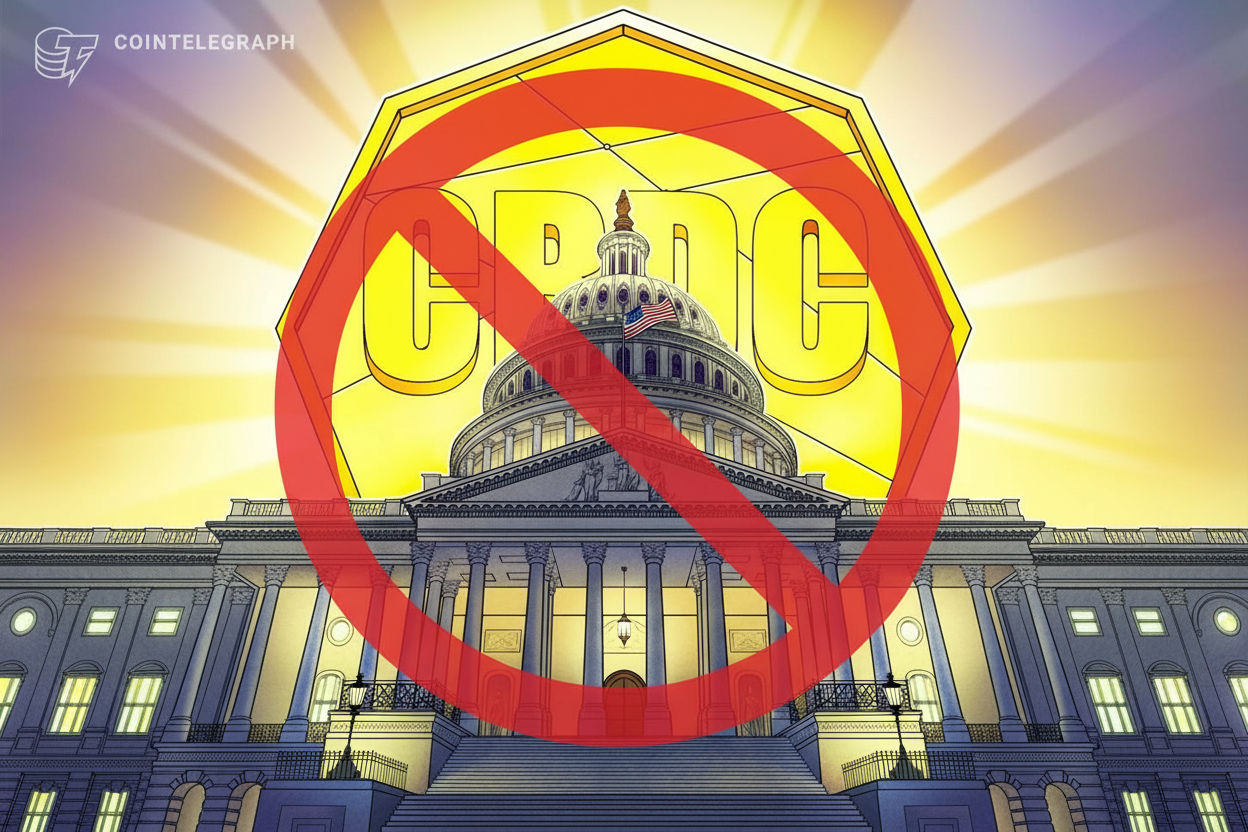
The United States government is about to block itself from creating a retail central bank digital currency, or CBDC, through the end of 2030. This isn't happening because of a grand debate on the Senate floor or a televised signing ceremony. Instead, it is happening through a process called a pocket passage within the 21st Century ROAD to Housing Act.
Donald Trump has confirmed he will not sign the bill, but he isn't vetoing it either. By letting the clock run out, the bill becomes law automatically. For those of us building in the crypto and AI space, this is a massive piece of regulatory clarity tucked inside a massive housing bill. It signals a decade of breathing room for private stablecoins and decentralized finance.
The End of the Federal Digital Dollar Experiment
For several years, the specter of a government-controlled digital currency has loomed over the domestic fintech sector. The argument from the federal level was always about modernization and reaching the unbanked. But for founders and developers, a retail CBDC was a terrifying prospect. It represented the ultimate programmable surveillance tool.
If the government issued the tokens directly to citizens, every transaction would live on a ledger controlled by the state. This would have effectively killed the primary use case for private stablecoins like USDC or USDT and put decentralized liquidity providers in a defensive crouch. By banning the Fed from issuing a retail CBDC until 2031, the U.S. is essentially saying that the private sector is the only player allowed to innovate in the digital dollar space for the foreseeable future.
Why the Bill is Passing This Way
The ROAD to Housing Act is primarily about real estate and economic development. The CBDC ban was a rider, a specific provision added to ensure that private property and financial privacy remained linked. Trump’s decision to let it pass without his signature is a classic political move. It allows the policy to take effect while keeping his distance from any specific disagreements he might have with the broader housing components of the legislation.
For builders, the how matters less than the what. What we are getting is a hard stop on federal competition. Usually, we expect the government to either over-regulate us or try to copy what we've built. In this case, they are legally prohibiting themselves from entering the arena. This is perhaps the most founder-friendly move we have seen from the federal government in years, even if it happened by accident through legislative inertia.
Stability for the Stablecoin Market
The stablecoin market currently sits at a market cap of over $150 billion. Most of that is backed by US Treasuries. If a CBDC were on the horizon, institutional investors would be hesitant to back private issuers. Why bet on a private company when the Fed is about to release its own version?
By removing the threat of a government-backed competitor for at least five and a half years, the U.S. has just validated the long-term business models of companies like Circle and Paxos. It also gives decentralized protocols a clear window to harden their infrastructure without fear of being liquidated by a sudden federal mandate that forces everyone into a government wallet.
A Win for Privacy and Permissionless Systems
The core of web3 is permissionless innovation. A CBDC is the opposite; it is permission-based. With a central bank digital currency, the government could theoretically freeze assets at the protocol level without a court order, or even set expiration dates on your money to force consumer spending.
By shelving the US CBDC until 2031, the pressure is now on developers to build privacy-preserving tools that are so efficient they become the industry standard. This isn't just about avoiding government oversight; it’s about proving that the private sector can handle the movement of value better than a centralized bureaucracy. We have been granted a period of peace to prove that decentralized ledgers are the superior architecture for the global economy.
The Global Context
While the U.S. is stepping back, other nations are moving forward. China has been pushing its digital yuan for years. Europe is deep into the testing phases of a digital euro. By stepping away from a retail CBDC, the U.S. is making a bet that the free market will produce a better dollar-backed digital asset than the government ever could.
This is a risky bet, but it is the right one for builders. It maintains the dollar's dominance by allowing it to be integrated into various protocols, apps, and AI agents without the friction of federal gatekeeping. If the U.S. had pushed a CBDC, it would have likely been a closed-loop system. Instead, the dollar remains an open-source primitive that any founder in our space can leverage.
What This Means for Your Roadmap
If you have been holding back on integrating stablecoins or building financial layers into your AI products because of regulatory uncertainty around a federal coin, that hurdle is gone. You now have a clear 2030 horizon. This is the time to optimize for speed, privacy, and ease of use.
- Focus on Integration: The private digital dollar is now the official digital dollar for the next decade.
- Double Down on Privacy: Since the government isn't building a surveillance coin, consumers will flock to private options that offer the best security.
- Ignore the Noise: Political posturing over the housing bill doesn't change the fact that the CBDC ban is now effectively law.
We often complain that the government doesn't understand our industry. In this case, they understood enough to stay out of the way. This isn't a victory for any one political party; it is a victory for the builders who believe that the future of money doesn't belong to a central bank.
The decision to let the CBDC ban pass signifies a rare moment where the US government acknowledges its own limits. For builders, this is a green light to continue creating the future of finance on our own terms.
Take the win. The federal digital dollar is off the table, and the market is ours to build. We have five years to make private, decentralized digital money so essential that by 2031, the idea of a government coin will seem like a relic of the past.
Read the original at Cointelegraph →