The Quiet Accumulation of the Base Layer
For months, the market narrative has been dominated by Bitcoin ETFs and the flashy, often hollow promises of new Layer 2 scaling solutions. While retail investors were busy chasing the next memecoin rally, one institutional player was quietly performing a massive consolidation of the underlying asset that powers the entire smart contract economy. Bitmine just added another 32,447 Ether to its coffers, bringing its total treasury value to nearly $15 billion.
This is not just another corporate purchase. Bitmine now controls over 4.8% of the entire circulating supply of Ethereum. When a single entity nears a 5% stake in a decentralized network's supply, it moves past the point of simple investment and enters the territory of systemic importance. For those of us building in this space, this represents a fundamental shift in how the industry's largest players view the future of the Ethereum ecosystem.
Supply Squeeze and Developer Reality
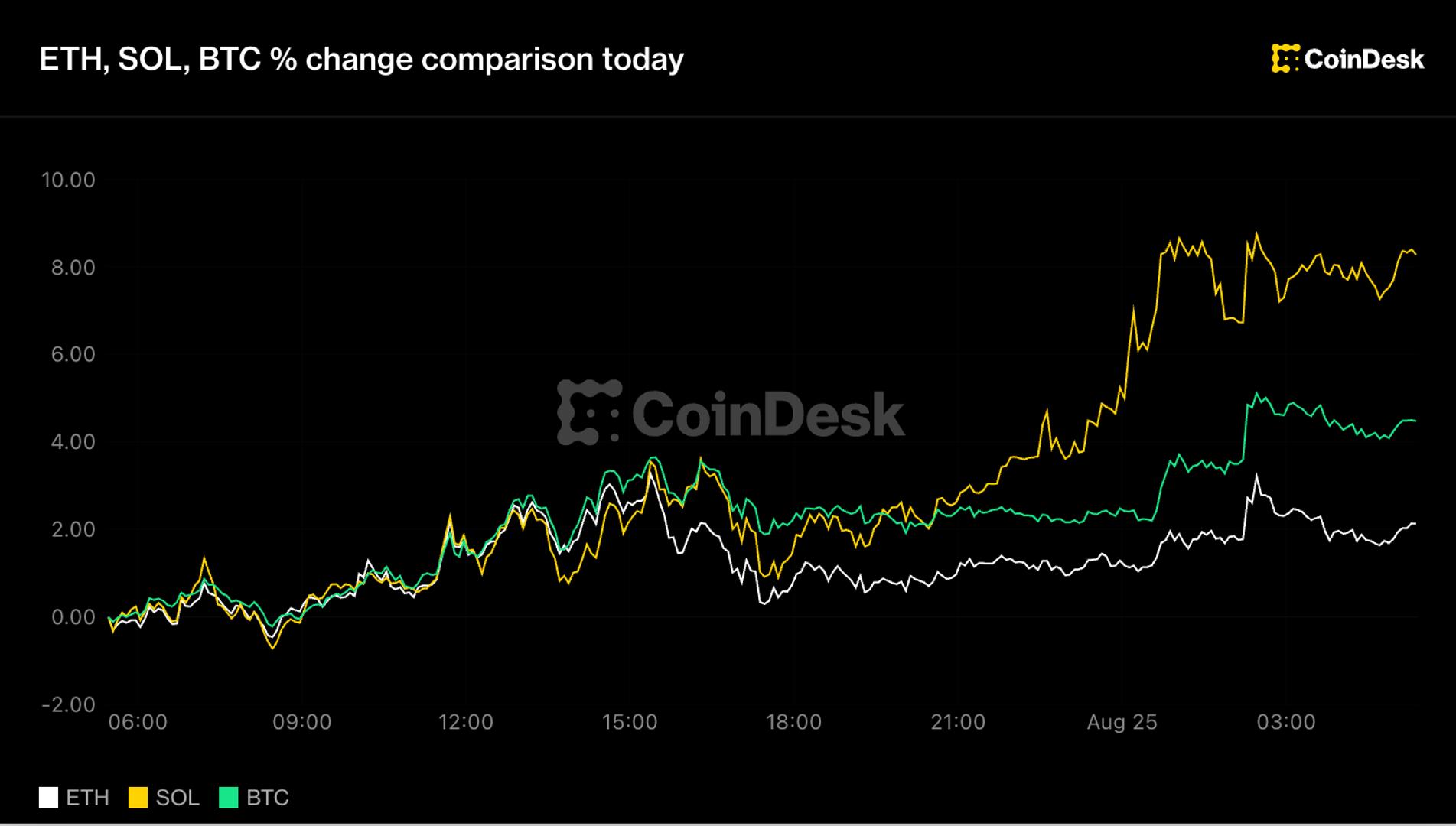
Tom Lee of Fundstrat recently noted that this move toward the upside for ETH was long overdue. From a founder's perspective, the price action is secondary to the liquidity implications. When a firm like Bitmine locks up nearly 5% of a token, they are effectively removing a massive chunk of liquid supply from the open market. This creates a supply floor, but it also signals a long-term confidence in the network's utility that outweighs the short-term volatility we see every week.
If you are building on Ethereum, you have to ask yourself why a company with $14.9 billion in total assets is choosing to store its wealth in the network's native token rather than just cash or government bonds. The answer lies in the gas. ETH isn't just a store of value; it is the commodity required to execute every single line of code in the decentralized world. Bitmine is essentially buying up the fuel for the global computer before the rest of the world realizes how much fuel they are going to need.
The Institutional Infrastructure Play
We often talk about decentralization as a moral imperative, but large-scale institutional accumulation like this challenges that ideal. However, looking at it through a builder's lens, this level of investment provides a certain kind of stability. It suggests that the "smart money" believes the infrastructure layer is solidified. They aren't betting on a specific app; they are betting on the ground the apps are built on.
Bitmine’s strategy reflects a shift away from pure speculation and toward infrastructure dominance. By holding such a significant portion of the supply, they are betting that the demand for blockspace will only increase. For developers, this means the pressure to optimize for gas efficiency isn't going away, even as Layer 2s proliferate. The base layer is becoming a premium real estate market, and the landlords are starting to move in.
Why This Matters for Founders
- Stability of the Ecosystem: Massive institutional holdings act as a stabilizer, reducing the likelihood of a total ecosystem collapse, even if they introduce new centralization risks.
- Network Valuation: When 5% of a network is held by one entity, the remaining 95% becomes more sensitive to demand spikes, potentially increasing the cost of operating on-chain.
- Validation of Utility: This isn't a retail pump; it's a corporate treasury play. It validates the thesis that Ether is a productive asset, not just a digital collectible.
The Skeptics Corner
It is easy to get swept up in the bullishness of a $15 billion treasury, but we should remain cautious. The concentration of supply in a few hands is the exact opposite of why most of us started building in crypto. If a few firms own the majority of the supply, the governance and economic incentives of the network could eventually tilt in their favor. We have seen this play out in traditional finance, and we shouldn't assume crypto is immune to it.
Furthermore, Tom Lee’s comments about ETH being "overdue" for a move are typical market analysis, but they don't account for the technical debt and competition Ethereum faces. Solana, Monad, and other high-throughput chains are nipping at Ethereum's heels. Bitmine is making a massive bet that Ethereum's first-mover advantage and network effects are insurmountable. As builders, we have to decide if we agree with that bet or if we should be diversifying our own technical stacks.
Final Takeaway for the Builder Community
Bitmine’s aggressive accumulation is a loud signal in a noisy market. It tells us that the institutional appetite for Ethereum hasn't waned despite the lackluster price performance earlier in the year. They are buying the dip while others are crying on Twitter. For founders, the message is clear: the infrastructure layer is being consolidated. Whether you view this as a sign of maturity or a threat to decentralization, you cannot ignore the fact that the big players are doubling down on the Ethereum roadmap. Keep your heads down, keep shipping, but keep a very close eye on who owns the ground you’re building on.
Ethereum is no longer an experimental playground for developers; it has become a strategic asset for the world's largest investment firms. Build accordingly.
Read the original at The Block →