The High Cost of Trust
We like to talk about trustless systems. We spend our days building smart contracts that remove the need for middlemen and auditing code to ensure that math is the final arbiter of truth. But recently, a court case in the UK reminded us that while the blockchain might be immutable, the human mind is still very much hackable.
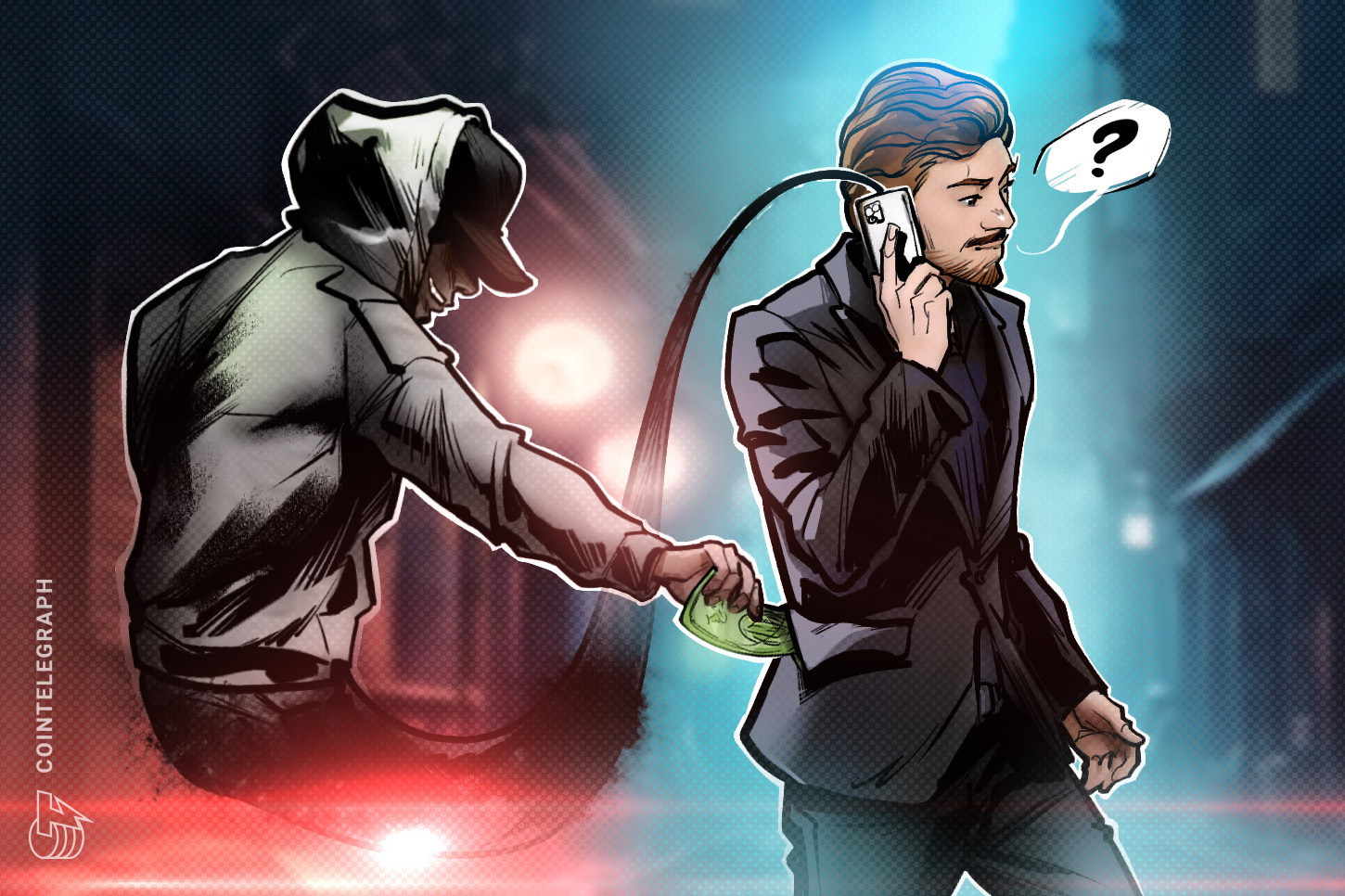
A criminal group was just sentenced for orchestrating a sophisticated scheme that drained roughly $5.4 million from unsuspecting holders. They didn't find a zero-day in a protocol. They didn't exploit a bridge. They used one of the oldest tricks in the book: they pretended to be the law. By impersonating police officers and creating high-fidelity fake websites, they convinced eight people to hand over their assets. It is a sobering look at how the gaps in our digital literacy are being weaponized against the very people we are trying to onboard.
The Anatomy of the Social Hack
The mechanics of this particular scam were surprisingly thorough. This wasn't a low-effort phishing email with broken grammar. The group built entire web infrastructures that mirrored legitimate UK police portals. They contacted victims, often using fear and authority as their primary levers, and guided them toward these controlled environments.
For a builder, this is the nightmare scenario. You can build the most secure wallet in the world, but if a user is convinced that a government official is demanding a transfer for an investigation, they will find a way to bypass your security warnings. These criminals understood the psychology of compliance. When someone who sounds like an authority figure tells you your funds are at risk or linked to a crime, the logical part of the brain that checks URLs often shuts down.
Why We Are Still Vulnerable
As much as I hate to say it, the crypto industry is currently a playground for this kind of social engineering. In traditional banking, there are layers of friction—human or algorithmic—that can halt a suspicious transfer. If you try to wire $500,000 to a random account, a bank manager is probably going to call you. In our world, the speed and finality of the ledger are our greatest features, but for the victims of this UK gang, those features were their downfall.
Most of these victims weren't necessarily tech-illiterate. They were simply outmatched by a group that treated fraud like a full-time corporate job. The gang managed to steal over 4 million pounds because they knew exactly how to navigate the tension between digital privacy and legal fear.
The Builder's Responsibility
We often tell ourselves that we aren't responsible for what happens at the application layer if our core tech is solid. I disagree. If we want this industry to survive beyond a niche group of high-conviction degens, we have to start building defensive UX that anticipates these types of scams.
- Authority Verification: We need better ways for users to verify the identity of anyone claiming to be an official. If a wallet sees a transaction heading to a documented scam address or a high-risk portal, the warning shouldn't be a generic pop-up. It needs to be contextual.
- Education over Marketing: We spend millions on marketing to get people to buy tokens, but pennies on teaching them how to avoid losing them. Founders should be prioritizing security education as a core part of their product roadmap, not an afterthought in a Discord FAQ.
- Friction as a Feature: I know we all want "one-click" everything, but maybe some things should take three clicks. Adding deliberate friction for large external transfers could save lives—or at least life savings.
The Reality of Justice
While it is satisfying to see this gang behind bars, we have to be honest about the recovery of funds. In many of these cases, the money is long gone, tumbled through mixers or laundered through privacy coins. The legal system is slow, reactive, and often ill-equipped to handle the speed of crypto crime. The jail time served by these individuals is a deterrent, but it's not a solution.
The solution has to come from us. We are building the tools of the future, but we are handing them to people who are still operating with the trust models of the past. When a user sees a "police" website, they expect a certain level of safety. The criminals know this, and they use that expectation as a weapon.
The Takeaway for Founders
If you are building in this space, look at your product through the eyes of a scammer. Don't just ask how someone can break your code; ask how someone can use your product to lie to your users. The UK scam shows that the most dangerous exploits don't happen in the IDE—they happen in a phone call or a fake browser tab.
Our job isn't just to write code that works. It's to build ecosystems that protect people from their own instinct to trust. Until we solve the social engineering problem, crypto will continue to be seen by the public as a digital minefield rather than a financial frontier.
The takeaway: Tech security means nothing without social security. If your UX doesn't account for human manipulation, your platform isn't actually secure.
Read the original at The Block →