The vibes in Washington are shifting. For years, the conversation around crypto at the Securities and Exchange Commission has been dominated by a single, exhausted question: is this or is it not a security? It was a circular argument that produced plenty of lawsuits but zero clarity for people actually trying to build products. Now, as the administration refills the seats at the SEC, we are seeing the first signs of a transition from the era of pure enforcement to the era of rule-making. Specifically, the focus is landing on tokenization.
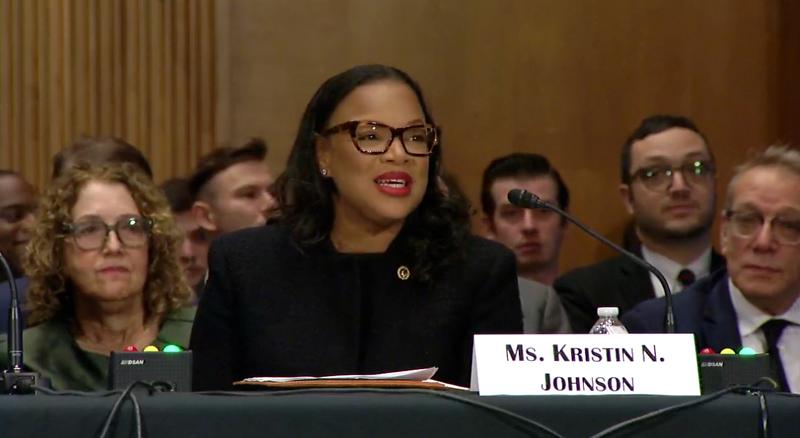
During a recent Senate Banking Committee hearing, the nominees for the SEC—representing both sides of the political aisle—offered a glimpse into how the next few years might look for founders. The standout takeaway wasn't just a change in tone, but a specific suggestion that tokenization policy needs its own formal rule-making process. For those of us who have been in the trenches, this is a massive deal. It means the government is starting to view the act of putting real-world assets on a blockchain as a structural change to the markets, not just a shady way to dodge a prospectus.
The End of Regulation by Enforcement?
In the past, the SEC's strategy was simple: wait for someone to launch something, then sue them to see if the court agreed it was illegal. It is an incredibly inefficient way to run a financial system. It forces builders to spend their seed rounds on legal retainers instead of engineers. The shift toward a formal rule-making process—what we saw hinted at by the Democratic nominee—suggests a desire for a predictable framework. Instead of a judge deciding the fate of an industry based on a 1940s lawsuit about orange groves, we might actually get a set of standards designed for the 2020s.
Builders should be cautiously optimistic about this. A formal rule-making process is slow—it involves public comments, drafts, revisions, and a lot of bureaucratic friction. But slow is better than random. When you have a rulebook, you can build a five-year roadmap. When you have a series of unpredictable lawsuits, you can barely plan for the next quarter.
Why Tokenization is the Trojan Horse
It is no surprise that tokenization is the bridge between the old guard and the new. It is the most "respectable" part of crypto. When BlackRock or J.P. Morgan talks about putting treasuries or private equity on-chain, it doesn't sound like a speculative casino; it sounds like an efficiency play. Tokenization is essentially just a better way to do accounting. It reduces settlement times, cuts out middlemen, and makes assets more liquid.
The regulators are starting to realize that if they kill tokenization in the U.S., they aren't protecting investors; they are just ensuring that the next generation of financial infrastructure gets built in London, Singapore, or Dubai. The fact that a Democratic nominee is calling for a full rule-making process on this topic shows that the pressure from traditional finance to modernize is finally outweighing the desire to keep crypto in a box.
What This Means for Founders
If you are building in the RWA (Real World Asset) space, your job just got a little more complicated and a lot more serious. Here is how I see the landscape changing for founders:
- Compliance becomes a feature, not a bug. If we move toward a formal rule-making process, "staying under the radar" is no longer a viable strategy. You will need to build with a modular architecture that can adapt to whatever final rules the SEC lands on.
- The bar for entry is rising. When things are unregulated, anyone with a laptop can launch a token. When the SEC creates a formal process for tokenized assets, you will likely need higher capital reserves, better audits, and more robust custody solutions.
- Interoperability is the next battleground. If the government sets rules for how assets are tokenized, the winners will be the platforms that can move those assets between different compliant chains without friction.
A Skeptical Eye on the Timeline
I have been around long enough to know that a "suggestion for a rule-making process" is not the same thing as a finished law. Washington is where good ideas go to move slowly. We are likely looking at eighteen to twenty-four months before any of these discussions turn into actual, enforceable guidelines that a developer can read and follow.
The danger here is that builders get paralyzed waiting for the "perfect" regulation. My advice is to keep building but stay lean. Don't bet the entire company on a single interpretation of what the SEC might do. The nominees are signaling that they want to be more collaborative, but the SEC is still a massive machine with a lot of institutional momentum. They aren't going to become your best friend overnight.
The move toward formal rule-making is a sign that crypto has matured past the point where it can be ignored or litigated into non-existence. It is being treated as a permanent fixture of the financial system.
The Political Reality
The fact that this push for clarity is bipartisan is the most important part of the story. Usually, crypto is a wedge issue. One side wants to burn it down, the other wants to give it a tax break. But tokenization is different. It’s about back-end plumbing. Both sides of the aisle understand that U.S. capital markets are the best in the world, and they don't want to lose that lead because they were too stubborn to upgrade the software.
We are seeing a rare moment where the technical needs of the market are aligning with the political needs of the regulators. They need a win that looks like they are being "tough but fair," and a clear rulebook for tokenization gives them exactly that. It lets them claim they are protecting the system while allowing it to evolve.
The Takeaway
Stop waiting for the SEC to go away. It isn't happening. Instead, look at this shift as an invitation to the grown-up table. The "move fast and break things" era of crypto is being replaced by the "build infrastructure and follow the rules" era. If you can navigate the transition, the market for tokenized assets is orders of magnitude larger than the market for speculative memecoins. The government is finally admitting that this technology belongs in the regulated world. Now, builders have to prove they can actually deliver the efficiency they have been promising for a decade.
Read the original at CoinDesk →