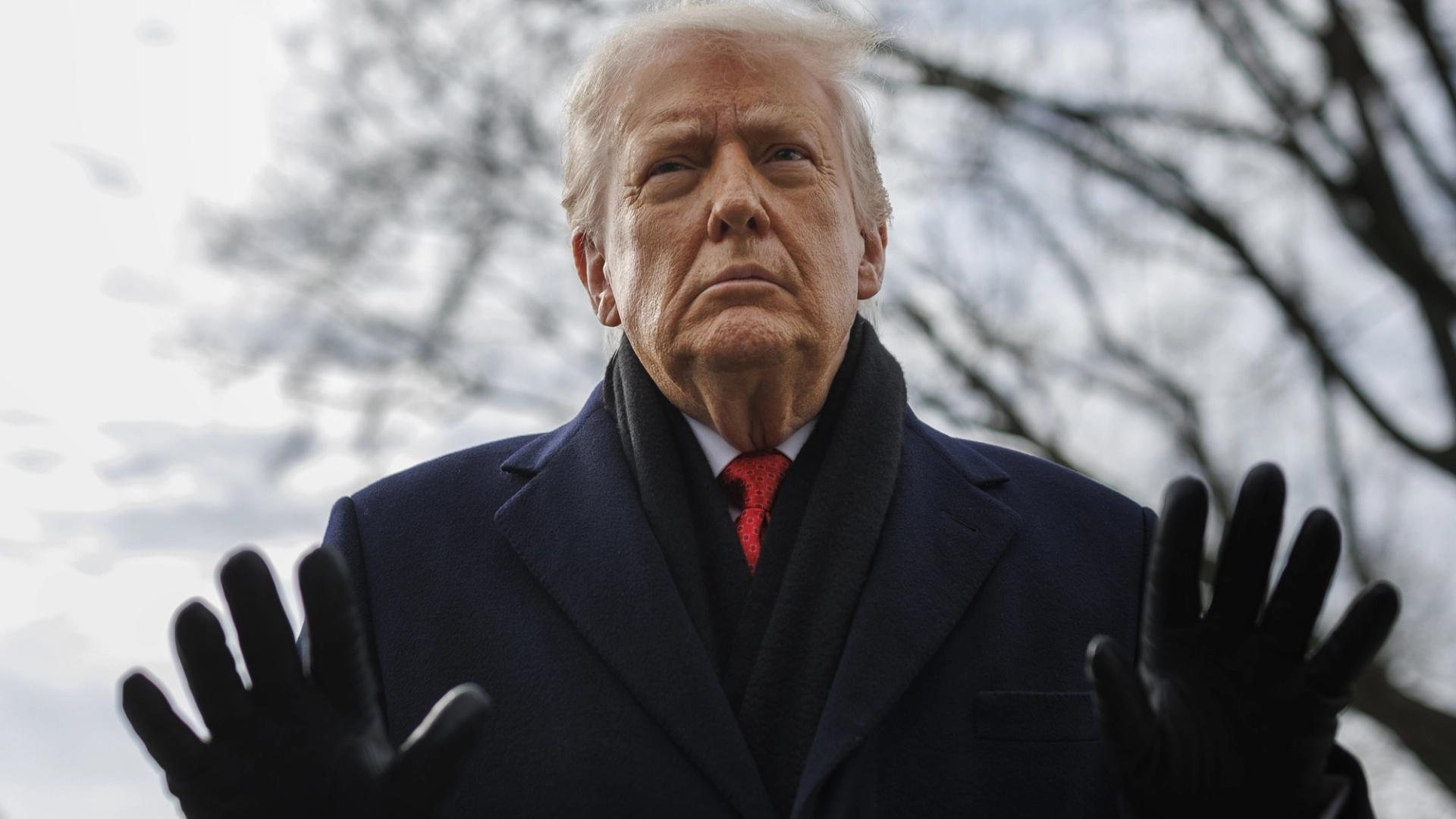
We have entered a new era of political finance where the ledger is public but the implications remain murky. Recent financial disclosures from the White House show that Donald Trump reported at least $1.4 billion in crypto-related income for the 2025 fiscal year. To put that in perspective, this is not just a rounding error or a successful trade. This is a massive windfall that places the sitting president at the center of the very industry his administration is currently tasked with regulating.
When questioned by CNBC, the president took his usual stance: there was nothing illegal about the gains, and he claimed a lack of specific awareness regarding the total scale of his holdings. From a builder’s perspective, this defense is hard to swallow. If you are a founder running a protocol or building an exchange, you know every decimal point of your holdings. Claiming ignorance on a billion-dollar balance sheet suggests either a lack of oversight or a deliberate distancing from the reality of the situation.
The Conflict Problem for Builders
For those of us in the trenches building crypto infrastructure, this presents a double-edged sword. On one hand, having a president with skin in the game suggests that we won't see the kind of knee-jerk, anti-crypto legislation that characterized previous years. On the other hand, the optics are terrible for the long-term legitimacy of the space. When the person signing the executive orders is also the primary beneficiary of the market's reaction to those orders, the industry risks being labeled as a state-sponsored tool rather than a neutral global technology.
Critics are already making noise, and they have a point. The administration is currently drafting the playbook for how stablecoins, DeFi, and exchanges will operate in the U.S. for the next decade. If the public perceives these rules as being written to pad a private crypto portfolio, the regulatory backlash from the next administration could be twice as severe. We’ve seen this cycle before in traditional finance, but the speed and volatility of crypto make the stakes much higher.
Separating the Tech from the Noise
As founders, we need to look past the political theater and focus on what this means for protocol development. The president's windfall is largely tied to a family-linked project that has been criticized for being light on substance and heavy on marketing. This is the classic struggle in our industry: the tension between real utility and celebrity-driven liquidity. While a billion-dollar disclosure makes for a great headline, it doesn't solve the scalability issues on Ethereum or the privacy concerns in DeFi.
We have to ask ourselves if we want our industry to be defined by high-level political windfalls or by the actual problems we solve for users. If the primary use case for crypto becomes a vehicle for political wealth, we have failed the original mission of the technology. The goal was decentralization and transparency, not the creation of a new class of untouchable insiders.
The Defense of Plausible Deniability
The president’s claim that he was unaware of the extent of his holdings is a classic move, but it doesn't hold water in a world of smart contracts and public addresses. In crypto, your holdings are your identity. For a leader to say they didn't know they had $1.4 billion in assets implies a level of detachment that is either dangerous or dishonest. Either way, it sets a precedent that should make builders nervous.
If the rules of the game are perceived to be rigged, the best talent will leave the U.S. ecosystem. We have already seen a significant migration of developers to regions with clearer, more neutral regulatory frameworks. This windfall might look like a win for crypto adoption, but if it comes at the cost of institutional trust, it’s a net loss for the ecosystem.
What This Means for the Roadmap
Expect a lot of noise in Washington over the coming months. Ethics committees will likely swarm this disclosure, and we could see a push for new "blind trust" laws specifically tailored to digital assets. As a founder, you should prepare for a period of extreme volatility driven by political news cycles rather than technical milestones.
- Increased Scrutiny: Any project even tangentially related to the administration's holdings will be under a microscope.
- Bipartisan Friction: Digital assets will become even more of a partisan wedge issue, making stable, long-term policy harder to achieve.
- Regulatory Acceleration: The administration may push through friendly policies quickly to lock in gains before the political tide shifts.
The biggest risk here isn't the money itself, but the shadow it casts over every honest developer trying to prove that crypto is more than a grift for the powerful.
We need to be skeptical of the idea that a pro-crypto president is a universal win. History shows that when politics and private wealth mix this closely, the resulting regulations are rarely designed for the benefit of the small builder or the end user. They are designed to protect the incumbent interests.
The Takeaway
Don't be distracted by the billion-dollar figure. The real story is the erosion of the boundary between the regulator and the regulated. For builders, the path forward remains the same: build products that provide value regardless of who is in the White House. Relying on political favor is a weak strategy; building resilient, decentralized systems is the only way to survive the fallout when the political winds eventually change.
Read the original at CoinDesk →