The Political Pivot Toward Digital Assets
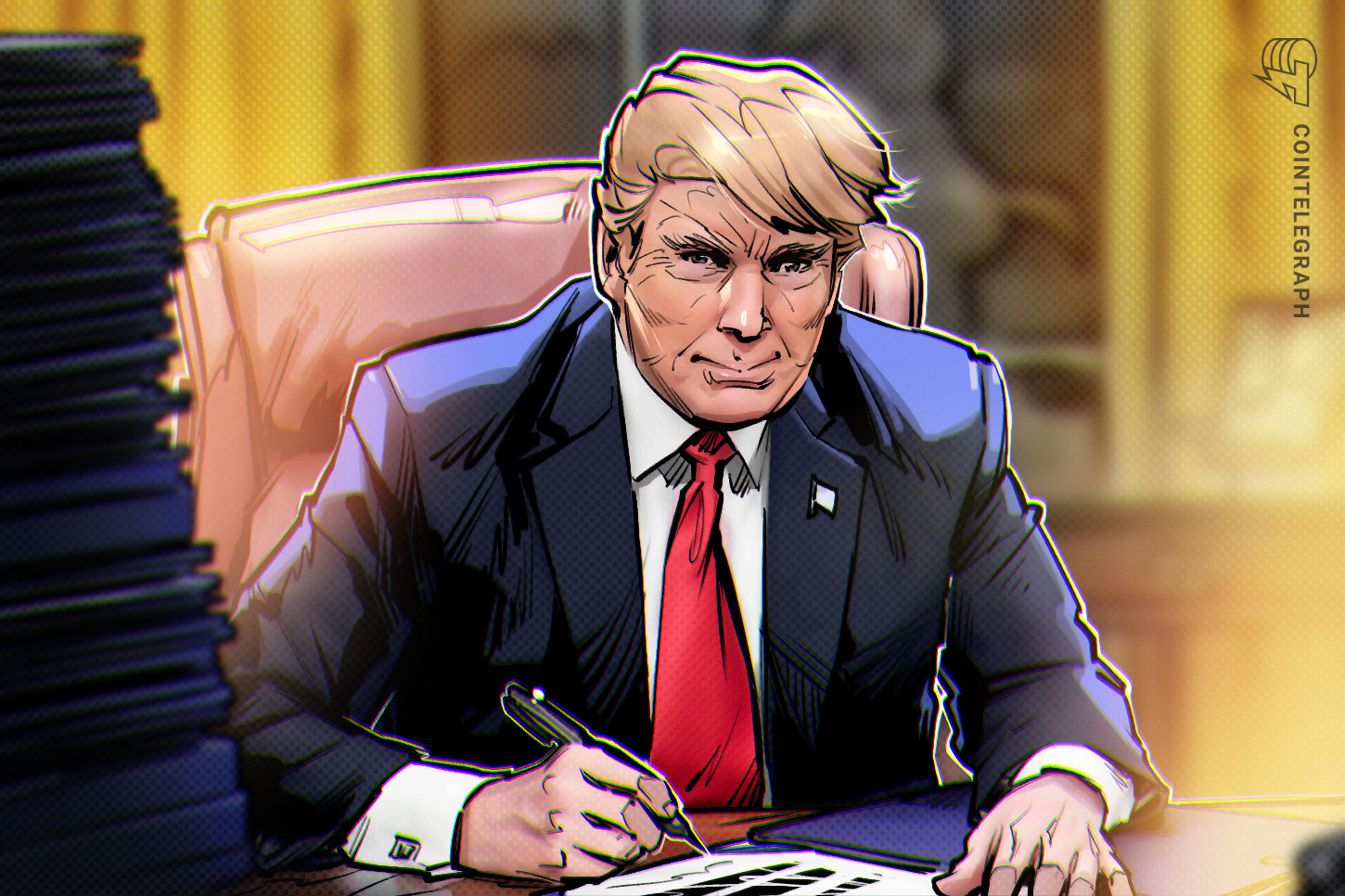
Donald Trump is making a direct play for the crypto industry again, this time by sitting down with key senators to hammer out the details of the CLARITY Act. This isn't just another campaign stop or a vague promise about liking bitcoin. This meeting is about the actual mechanics of how legislation moves through the Senate before the upcoming August recess. For a long time, the crypto space has been a political orphan, but we are now seeing it become a central pillar of legislative strategy.
As a builder, you know the frustration of operating in a gray area. You spend more on legal opinions than on engineering because nobody can tell you for sure if your token is a security or a utility. The CLARITY Act is intended to fix that, or at least provide enough of a framework that you aren't constantly looking over your shoulder for an SEC subpoena. The fact that a former president is putting his weight behind specific legislative language signals that the "ignore it and it goes away" era of crypto policy is officially over.
What the CLARITY Act Actually Targets
The core of the CLARITY Act is right there in the name: it's about providing a clear definition for digital assets. Right now, we have a mess of overlapping jurisdictions between the SEC and the CFTC. This bill seeks to draw a line in the sand. It wants to establish which assets are commodities and which are securities, and more importantly, how an asset can transition from one to the other as a network becomes decentralized.
This is the holy grail for founders. If you can start a project knowing exactly which regulatory hurdle you need to jump, you can actually build. Most of the capital sitting on the sidelines right now isn't there because they hate crypto; it's there because they hate risk that they can't quantify. Clarity allows for quantification. It means a VC can look at your cap table and your tokenomics and not worry that the entire structure will be ruled illegal three years from now.
The Urgency of the August Recess
The timing of this meeting is critical. Politicians are about to head home for their summer break, and once the election cycle kicks into high gear, substantive policy work usually grinds to a halt. If this doesn't get moving now, we are looking at 2025 or later before we see any real progress. Trump is likely trying to secure a win he can point to as a champion of innovation, and the senators involved are looking for a way to show they can still pass meaningful bipartisan legislation.
We have to keep a healthy level of skepticism here. Just because there's a meeting doesn't mean there's a deal. The Senate is where good ideas go to die in the bureaucracy. However, the pressure from the industry has reached a boiling point. The flow of capital to overseas jurisdictions like Dubai, Singapore, and London has finally scared Washington enough to make them realize that if they don't act, they will lose the next generation of the internet to the rest of the world.
Why Builders Should Care
You might think that high-level meetings in D.C. don't affect your daily stand-ups, but they do. Regulatory clarity is essentially the infrastructure of your business. If the CLARITY Act passes, it changes the way you handle stablecoins, the way you list tokens on domestic exchanges, and how you distribute rewards to your community. It takes the guesswork out of compliance.
- Stablecoin Standard: The act aims to set guardrails for stablecoin issuers, ensuring they have the reserves they claim to have.
- Jurisdictional Peace: It looks to end the turf war between the SEC and CFTC, giving builders one primary regulator to answer to.
- Innovation Protection: By defining what is NOT a security, it allows for true utility tokens to function without the burden of 1930s-era financial laws.
From a founder’s perspective, any progress toward a predictable legal environment is a win. Even if the resulting laws aren't perfect, knowing the rules allows you to pivot and adapt. The worst-case scenario is what we have right now: regulation by enforcement, where the rules are only revealed after you've been sued.
The Skeptic's View
Let’s be honest: politicians are currently incentivized to court the crypto vote. We need to watch the actual text of the bill as it's modified in these closed-door meetings. Often, well-intentioned bills get filled with "poison pills" or surveillance requirements that make them unusable for decentralization purists. If the CLARITY Act ends up requiring every DeFi protocol to have a centralized kill switch, it isn't progress; it's a trap.
Trump’s involvement adds a layer of partisanship that could either fast-track the bill or make it a target for the opposition. As builders, we don't care about the red or blue side of the aisle as much as we care about the green side of the ledger. We need a framework that works regardless of who is in the White House. If this bill becomes a political football, it might get kicked around until it's irrelevant.
The Takeaway for Founders
Pay attention to the outcomes of this Thursday meeting. If the language holds and we see a real push before the recess, it’s a signal to start preparing for a more regulated but more stable US market. If it stalls, expect the status quo of ambiguity for at least another twelve months. Either way, keep your head down and keep building. The tech will eventually outpace the bureaucracy, but it sure is easier when the bureaucracy isn't actively trying to trip you up.
The goal for any founder isn't to avoid regulation, but to find a jurisdiction that provides a stable, predictable foundation for growth. If the CLARITY Act succeeds, that jurisdiction might finally be the United States.
Read the original at Cointelegraph →