The Trust Assumption Problem
Hardware wallets are supposed to be the final line of defense. The logic is simple: keep the keys off the internet, and you keep them out of reach. But there is a silent vulnerability in this model that most users ignore until something goes wrong—the physical supply chain. When you buy a device, you are trusting every single hand that touched it from the factory floor to your front door.
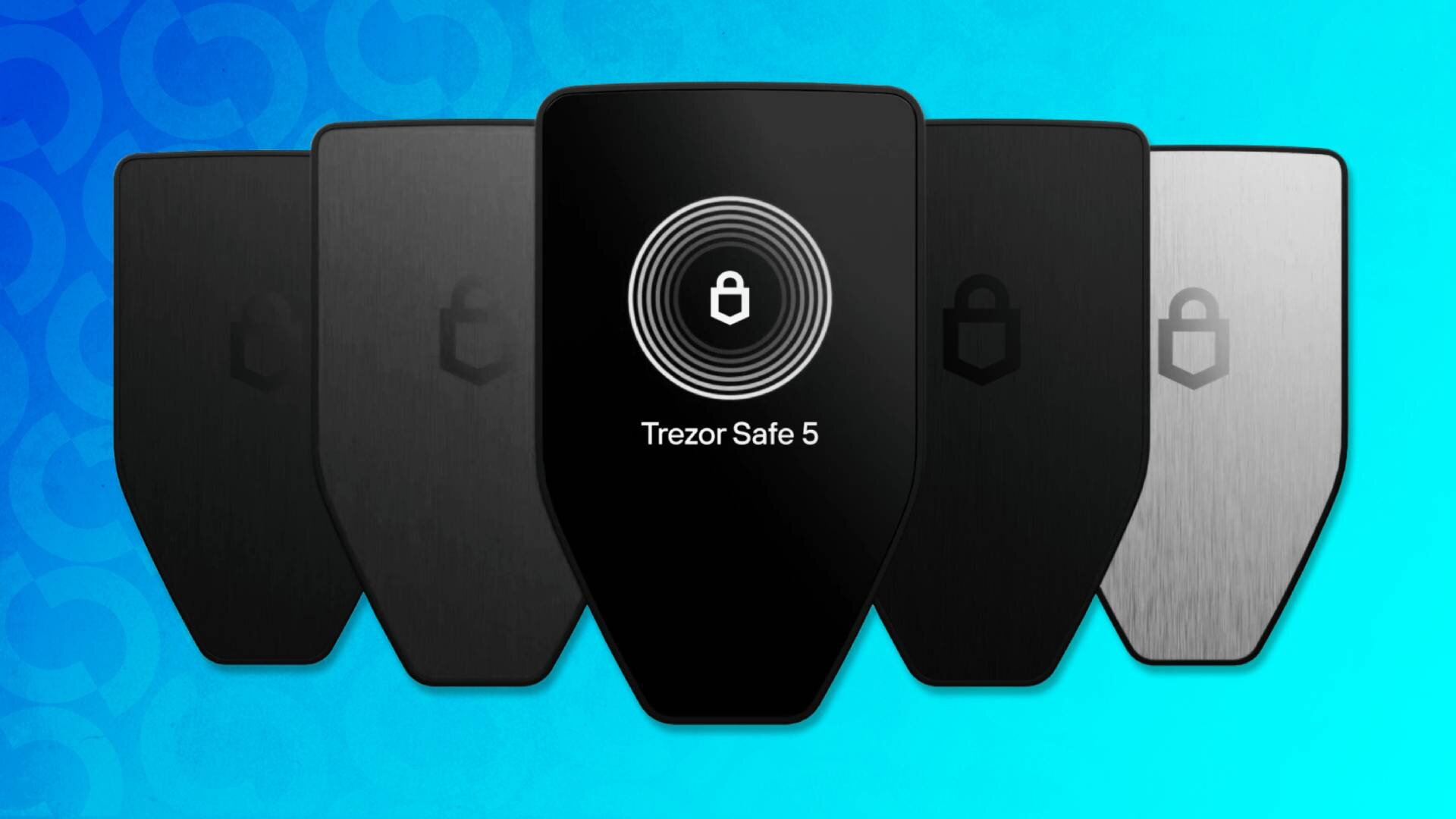
We recently saw this trust collapse in real-time. Reports emerged of a hardware implant found inside a Trezor Safe 5 device purchased through CryptoBilis, an authorized reseller based in Malaysia. While Trezor has not yet performed its own forensic audit on the specific unit, they are treating the threat as legitimate. They have already issued a warning to customers who bought from this vendor, advising them to move their assets immediately.
For those of us building in this space, this isn't just a headline about one manufacturer. It is a reminder that the hardware layer is just as susceptible to social engineering and physical tampering as the software layer is to exploits. If you cannot trust the silicon, you cannot trust the signatures.
How a Supply Chain Attack Actually Works
The reported issue with the Safe 5 isn't a software bug. It is a physical modification. In these types of attacks, a malicious actor intercepts a legitimate device and installs a secondary component—an implant—designed to exfiltrate private keys or seed phrases. The device looks identical to a factory-fresh unit. It might even pass basic visual inspections.
This is a sophisticated level of interference. It requires the attacker to have physical access to the inventory, the technical skill to modify the internal circuitry without breaking the device's functionality, and a distribution method to ensure the compromised units reach high-value targets. By targeting an authorized reseller, the attacker gains a veneer of legitimacy. Most buyers feel safe purchasing from a listed partner, assuming the manufacturer has vetted the entire path. This incident proves that even "authorized" status is not a shield against a determined physical adversary.
Why Builders Should Care
As founders and developers, we often focus on the elegance of our smart contracts or the latency of our APIs. We treat the user's wallet as a black box—a secure endpoint that provides a signature. We assume that if the user has a hardware wallet, they are "safe."
This mindset is a liability. When a user loses funds due to a hardware implant, they don't blame the reseller in Malaysia. They blame the entire ecosystem. They lose faith in the idea of self-custody. Every time a hardware device is compromised, the barrier to mainstream adoption grows higher because the promise of "be your own bank" starts to sound like a dangerous burden rather than a benefit.
- Infrastructure Resilience: We need to stop assuming the hardware layer is infallible.
- User Education: We must move beyond telling users to "get a cold wallet" and start explaining how to verify their hardware.
- Redundancy: For significant treasury management, single-signature hardware setups are no longer enough. Multi-sig is a requirement, not a luxury.
The Myth of the Tamper-Evident Seal
Trezor and other manufacturers use holographic seals and specialized packaging to deter tampering. While these are good deterrents for low-level thieves, they are rarely enough to stop a professional operation. High-quality counterfeit stickers are cheap to produce. If an attacker can manage to implant a chip into a motherboard, they can certainly manage to replicate a piece of foil tape.
The Safe 5 was designed with improved security features, but no amount of onboard encryption can protect a user if the hardware itself has been bypassed before they even open the box. This is why Trezor's immediate reaction—telling users to evacuate their funds—is the only responsible move. They aren't waiting for a three-month lab study. They recognize that in crypto, if a threat is even remotely plausible, the time to act was yesterday.
A Founder's Perspective on Mitigation
If you are running a project or managing a team, you need to take a skeptical view of your own security stack. Don't just buy a few wallets from a reseller because they have a discount or faster shipping. Buy directly from the manufacturer, and even then, treat the device with suspicion.
I have always advocated for the "factory reset and update" method. The moment you get a new device, you should wipe it and re-install the latest firmware from the official source. While this doesn't fix a hardware implant, it can sometimes disrupt the malicious software that the implant relies on. However, with the CryptoBilis incident, the suspicion is a deep hardware-level change, meaning no amount of software updates will make that specific unit safe.
The hard truth is that physical security is the most difficult problem to solve in a decentralized world. We can decentralize nodes, but we can't decentralize the delivery truck.
What Happens Next?
Trezor is currently working to get their hands on the compromised unit for analysis. Until then, the damage is done. The reputation of that specific reseller is effectively over, and Trezor has to do the heavy lifting of rebuilding trust in their supply chain management. This will likely lead to stricter requirements for authorized partners, but for the end user, the lesson remains the same.
We are moving toward a future where "stateless" hardware or devices that can be entirely verified by the user might become the standard. Until then, we are stuck in a game of cat and mouse with supply chain interceptors. If you are a builder, take this as a sign to audit your own team's custody practices. If you are using a Safe 5 from that region, don't wait for the forensics report. Get your funds out now.
The Takeaway
The CryptoBilis incident is a wake-up call that the supply chain is a critical attack vector. Security is not a product you buy; it is a process you maintain. For builders, this means implementing multi-sig for all operational funds and never trusting a single point of failure—even if that point is a piece of hardware you paid hundreds of dollars for. The moment you stop being skeptical is the moment you become a target.
Read the original at Decrypt →