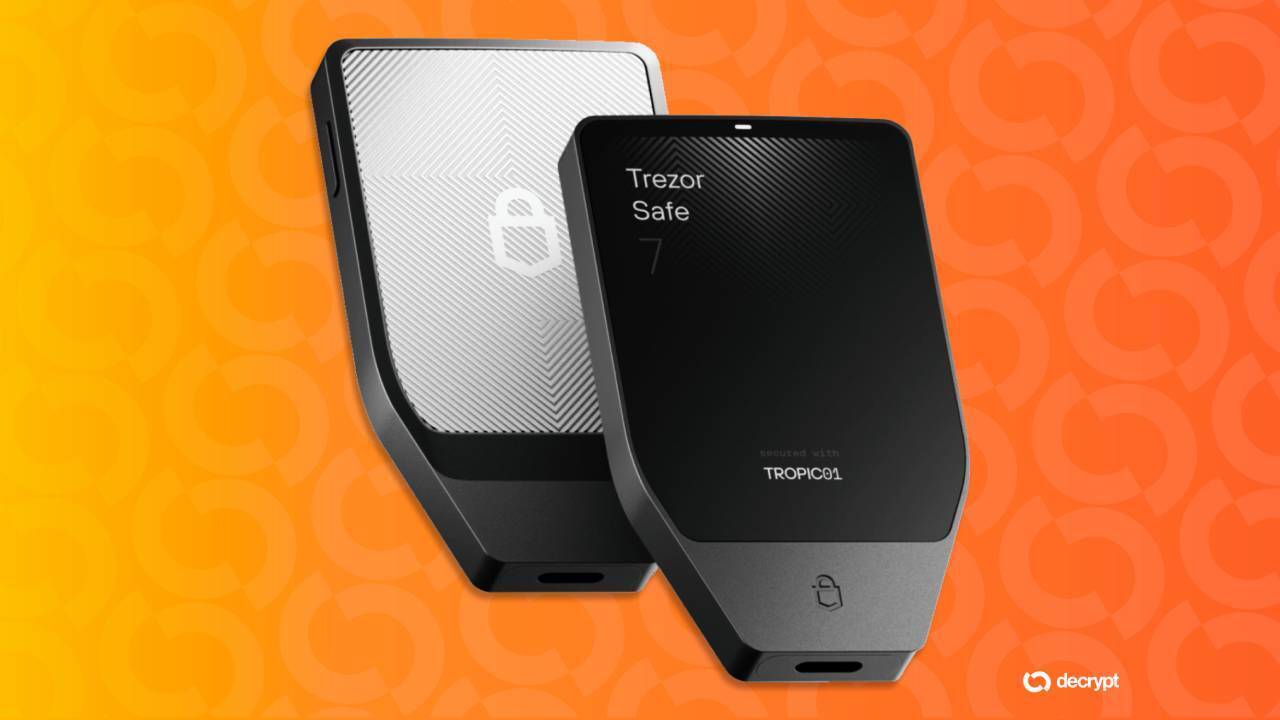
Security in the crypto world is often a game of theater. We buy these little plastic rectangles, punch in twenty-four words, and tell ourselves we are unhackable. But the recent fallout between Trezor and its global reseller network proves that the greatest threat isn't the code—it's the guy holding the box before you do.
The Supply Chain Crack
Trezor just announced they are pulling the plug on their authorized reseller program, effective January 1, 2027. This isn't just a corporate reshuffle or a play to increase margins. It is a direct response to a terrifying breach discovered by their primary competitor, Ledger. In Southeast Asia, a batch of hardware wallets sold through a third-party retailer was found to contain physical implants. These weren't software glitches or phishing sites. These were hardware-level modifications designed to broadcast recovery phrases the moment they were generated.
For years, the standard advice has been to only buy from official stores. Yet, hardware manufacturers maintained reseller networks to scale. That era is dying. When a supply chain is long enough, it becomes impossible to verify the integrity of the physical device. If a bad actor can intercept a shipment and solder a chip onto a board, your cold storage is hot before you even plug it in.
Why This Matters for Builders
If you are building in the crypto space, this is a wake-up call about the physical layer of the stack. We spend millions auditing smart contracts and perfecting ZK-proofs, but we often ignore the fact that the end-user is interacting with a physical object. If that object is compromised, the entire security model collapses.
Builders need to stop assuming that hardware is a silver bullet. We need to start thinking about multi-vendor setups and multi-sig solutions that don't rely on a single device from a single manufacturer. If the device itself can't be trusted because it spent a week in a warehouse in a jurisdiction with lax oversight, the software layer needs to account for that failure.
The Cost of Convenience
Trezor’s decision to move to a direct-to-consumer model is the right move, but it highlights a massive hurdle for global adoption: accessibility. By cutting off resellers, Trezor is making it harder for people in certain regions to get their hands on secure hardware. Shipping costs, customs delays, and local regulations will make these devices more expensive and harder to find.
This creates a vacuum. If the official store is too expensive or won't ship to your country, you turn to local marketplaces. That is exactly where these compromised devices live. It is a catch-22 for the industry. To be safe, you must buy direct. To buy direct, you have to be in the right zip code.
The Technical Reality of the Implant
The implant Ledger discovered was sophisticated. It wasn't a clunky piece of wire. It was a clean integration that allowed the device to function normally while secretly siphoning the private keys. This is the nightmare scenario for any founder building a custody solution. It proves that "don't trust, verify" is nearly impossible for the average user when it comes to hardware.
We have to ask ourselves: how many of these devices are currently sitting in drawers, waiting to be activated? The delay in Trezor's program termination until 2027 suggests they are trying to wind down operations without leaving their partners in the lurch, but for the user, the risk is present today. If you didn't buy your device directly from the source, you are essentially gambling on the honesty of every person who touched that box during transit.
A Founder’s Perspective on Trust
In the startup world, we talk about trustless systems. But humans are involved at every step of manufacturing. From the silicon to the assembly line to the delivery truck, there are hundreds of points of failure. This news is a reminder that we need to build systems that assume the hardware is already compromised.
Moving forward, I expect to see a shift toward more transparent hardware. We need devices that are easier to inspect and harder to tamper with without leaving visible traces. But more importantly, we need to move away from the idea that a single hardware wallet is the final word in security. The future is likely in distributed security—splitting keys across different devices and different manufacturers so that a single compromised chip doesn't result in total loss.
The Takeaway
The honeymoon phase of hardware wallets is over. The industry is realizing that the supply chain is the weakest link. If you are a builder, look at your user's security journey. If it starts and ends with a single physical device, you are building on a foundation that can be dismantled with a soldering iron. Trezor is taking the hard path to secure their users, and while it will hurt their reach, it is the only honest way to handle the reality of hardware implants. Stop trusting the box. Start trusting the math, and keep your keys distributed.
Read the original at Decrypt →