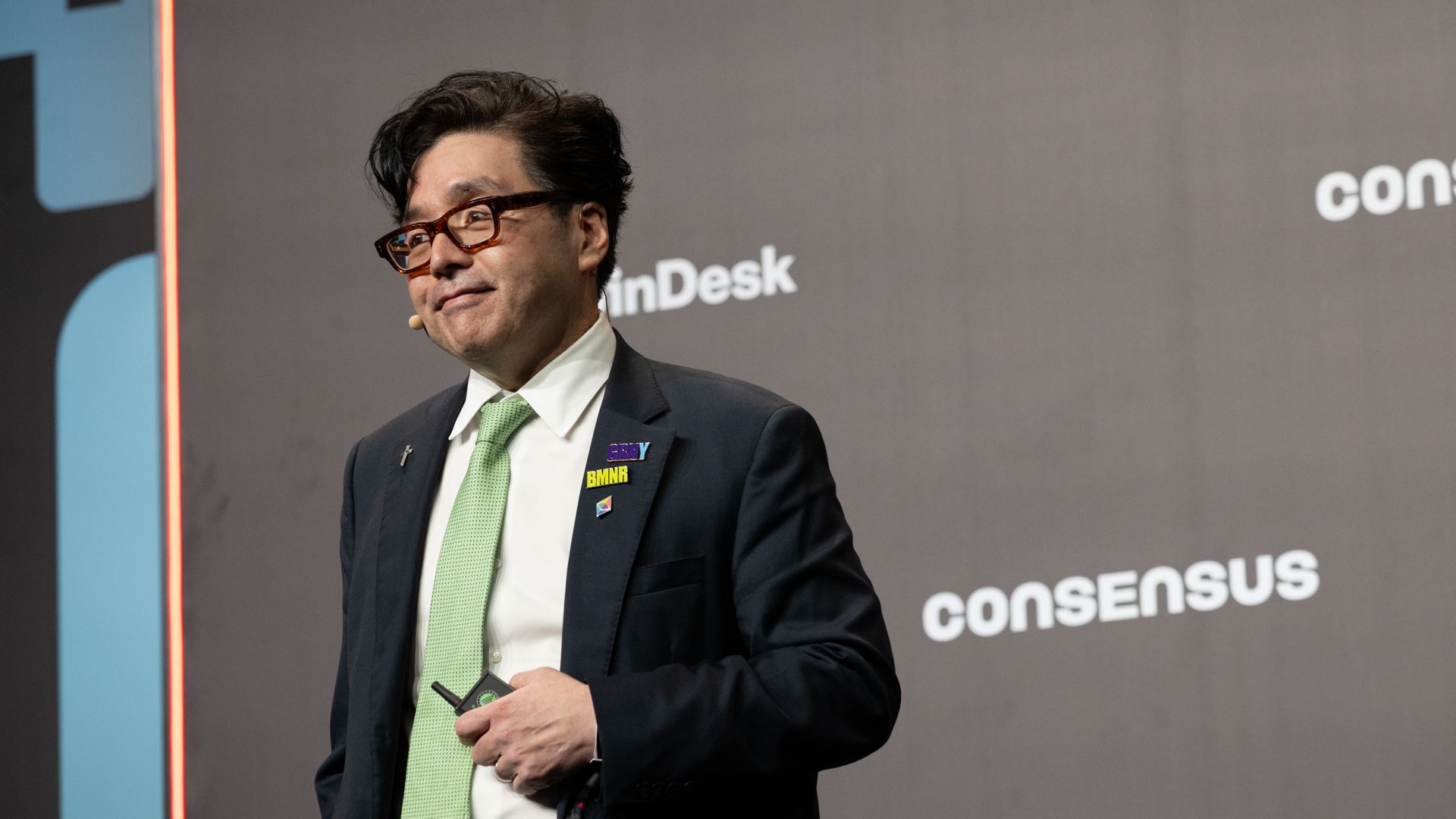
When someone starts vacuuming up nearly five percent of a blue-chip asset's total circulating supply, you stop looking at the price ticker and start looking at the plumbing. BitMine, the mining-turned-infrastructure firm chaired by Tom Lee, just hit a massive milestone: they now hold 5.77 million individual ether tokens. That is not just a healthy balance sheet; it is a structural play on the future of how money moves.
The Math of Concentration
To put a nearly five percent stake into perspective, we have to look at the liquidity of the Ethereum network. While the total supply sits around 120 million tokens, a huge chunk of that is locked in staking contracts or lost in cold storage. By controlling 5.77 million ETH, BitMine has positioned itself as one of the most significant non-exchange entities in the ecosystem. This value, currently pegged at over $5.7 billion depending on the day's volatility, represents a concentrated bet that we haven't seen since the early days of corporate bitcoin accumulation.
For builders, this is a signal about maturity. We are moving out of the era where 'whales' were just early-adopting individuals in hoodies. The new whales are public-facing entities with strategic chairs like Tom Lee, who view these assets as base-layer infrastructure rather than just speculative lottery tickets.
The Robinhood Catalyst
Part of the logic behind this massive accumulation appears to be the explosion of 'Robinhood Chain.' For those who haven't been following the sub-layer wars, Robinhood’s decision to build its proprietary environment on top of Ethereum has completely shifted the gravity of the retail market. Lee has been vocal about the fact that Robinhood’s growth isn't just about trading anymore; it's about the pipework beneath it.
Ethereum is becoming the clearinghouse for the world’s most popular retail trading apps. If you are BitMine, holding the native token of that clearinghouse is like owning the land underneath a city that just announced it’s building a new high-speed rail. You don't necessarily care which individual trains are running; you just care that they all have to pay to use your ground.
Institutional Infrastructure vs. Retail Sentiment
I have always been a bit skeptical of the 'institutional adoption' narrative because, for years, it was mostly talk. But this ETH treasury expansion is different. It is functional. BitMine isn't just sitting on this for the sake of a price pump; they are positioning themselves at the center of the Ethereum validation and security loop. Large holders in a Proof of Stake system aren't just investors; they are the literal governors of the network's security.
As a founder, you have to ask yourself what this means for your own dApp or protocol. If 4.8% of the supply is held by one entity, and centralized exchanges hold another 15-20%, the 'decentralized' dream of Ethereum starts to look a lot more like a corporate boardroom. It’s an honest trade-off: we get the stability and capital of companies like BitMine, but we lose the chaotic, distributed ownership that defined the 2017 era.
What This Means for Builders
If you are building in the Ethereum ecosystem today, you should be encouraged by the capital floor that BitMine is providing, but you also need to be wary of the centralization of influence. Here are a few things I’m keeping an eye on:
- Governance Weights: Large ETH holders have outsized voices in EIPs (Ethereum Improvement Proposals). BitMine is now a political force as much as a financial one.
- Staking Yield Dynamics: With this much ETH, BitMine can influence the average yield for smaller players if they decide to launch their own institutional-grade staking pools.
- The Robinhood Effect: Watch the integration between Robinhood Chain and Ethereum mainnet. That is the real engine driving this accumulation.
Lee’s firm is essentially saying that Ethereum is the only game in town for institutional-scale settlement. While Solana and other L1s are winning on speed and consumer apps, Ethereum is winning the war for the 'boring' institutional money that actually stays put during a bear market.
The Skeptic’s Corner
Is there a downside? Of course. Massive concentration creates a single point of failure in terms of market sentiment. If BitMine ever had a liquidity crisis or decided to rotate into a different asset, the sell pressure would be catastrophic. We have seen what happens when 'prestige' holders have to liquidate—just ask anyone who was holding LUNA when the big players started heading for the exits.
However, BitMine isn't a hedge fund playing with 100x leverage. They are an infrastructure company. Their incentive is to see the network succeed because their very existence is now tied to the health of the Ethereum Virtual Machine (EVM). They are effectively an Ethereum-indexed utility company at this point.
Takeaway for Founders
Stop waiting for 'the big one' to happen. It is happening. When a firm grabs 4.8% of the supply, they aren't 'testing the waters'—they are the water. If you are building on Ethereum, you have a massive, well-capitalized backstop in firms like BitMine. The trade-off is that you are now building in a corporate neighborhood. Adjust your expectations on decentralization accordingly, and start following what the infrastructure giants are doing, because they are the ones who will be dictating the next three years of the roadmap.
Read the original at CoinDesk →