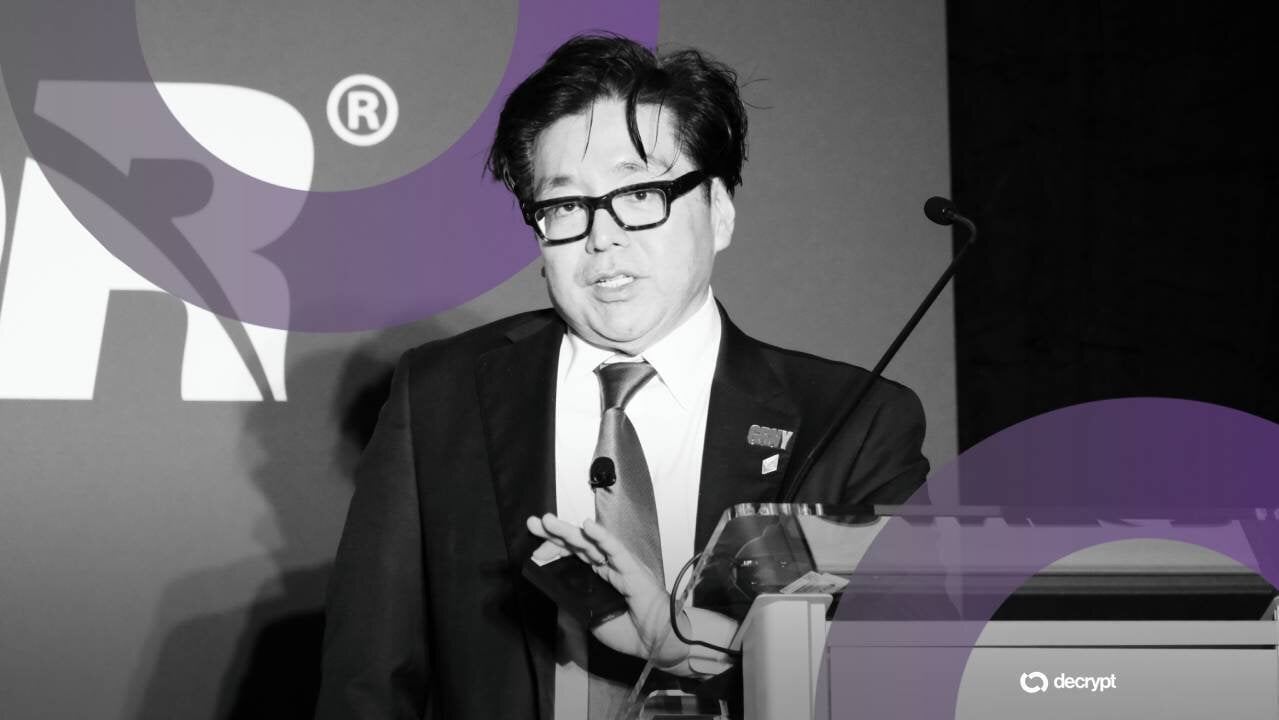
We have seen this movie before, but the actors are changing. For years, the story of corporate treasury management in the crypto space was synonymous with one name: Michael Saylor. His aggressive, almost religious accumulation of Bitcoin turned MicroStrategy into a proxy for the asset itself. Now, Tom Lee and the team at Bitmine are attempting a similar maneuver, but they are doing it with Ethereum. They are not just dipping their toes in the water; they are trying to swallow the ocean.
The Math of Dominance
Last week, Bitmine added another 10,399 ETH to its coffers. That brings their total holdings to roughly 5.8 million ETH. To put that into perspective, the company is publicly stating its goal is to own 5% of the entire circulating supply of Ethereum. For a builder or a founder looking at the ecosystem, this is a massive signal. When a public company decides to treat a Layer-1 protocol like a sovereign reserve asset, the supply dynamics shift from speculative trading to long-term institutional lockups.
As an editor and a founder, I tend to look at these massive accumulation plays with a healthy dose of skepticism. The concentration of supply in the hands of a few large entities often runs counter to the decentralized ethos we talk about at conferences. However, from a market mechanics perspective, what Bitmine is doing is creating a floor. They are signaling to the market that they believe Ethereum is undervalued, and they are willing to put their balance sheet where their mouth is.
The Buyback Pivot
What makes the Bitmine move particularly interesting is the simultaneous announcement of a stock buyback program. Typically, when a company is in a hyper-growth phase or an aggressive accumulation phase, they want to keep every cent of cash on hand. By announcing a buyback alongside an ETH purchase, they are playing a double-game. They are supporting the price of the underlying asset (ETH) while also supporting the price of their own equity.
This suggests that management feels the market is discounting both their crypto holdings and their business operations. It is a aggressive defense of their valuation. For founders in the space, this is a lesson in capital efficiency. It is not enough to just hold the asset; you have to manage the perception of the vehicle holding that asset. Bitmine is trying to prove that a crypto-heavy balance sheet can coexist with traditional shareholder-friendly actions like buybacks.
Why Builders Should Care
You might wonder why a developer building a new dApp or a founder launching a DAO should care about a public company's treasury. It comes down to stability and infrastructure. Ethereum is the foundation upon which most of the industry is built. When large players commit to holding 5% of the supply, they are effectively betting on the long-term viability of the EVM ecosystem. They aren't looking for a quick 2x; they are looking for a decade of dominance.
If Bitmine succeeds in reaching that 5% threshold, they become a major stakeholder in the network's governance and security (especially in a Proof of Stake world). This concentration of power is something we need to watch. As builders, we want a diverse set of validators and holders. If the supply becomes too concentrated in institutional hands, the "censorship resistance" we all prize could be tested by regulatory pressure on those specific institutions.
The Risk Profile
Let's be honest: this is a high-stakes gamble. If Ethereum faces a major technical hurdle or if the regulatory environment in the U.S. shifts toward a more hostile stance on staking, Bitmine’s balance sheet becomes a liability. They are essentially tethering the survival of their stock price to the success of a single protocol. While ETH has proven its resilience over the last several cycles, the volatility remains a factor that traditional investors still struggle to stomach.
The skepticism comes from the "all-in" nature of the strategy. Diversification is usually the hallmark of a sane treasury, but in the world of crypto-native public companies, sanity is often traded for leverage. They are betting that the network effects of Ethereum are now unbreakable. They are betting that the L2 explosion will continue to drive value back to the mainnet. If they are right, they become the MicroStrategy of the smart contract world. If they are wrong, the liquidation would be a significant event for the entire market.
The Founder’s Perspective
If you are running a startup today, don't try this at home. You don't have the institutional backing or the public market liquidity to play these kinds of treasury games. However, you should use this as a gauge for market sentiment. The fact that sophisticated players are aiming for 5% of the supply tells you that the institutional appetite for Ethereum is moving past the "ETFs are coming" stage and into the "how much can we actually own" stage.
Focus on building things that make those tokens valuable. If Bitmine wants to hold the ETH, your job is to build the tools, the protocols, and the user experiences that make that ETH worth holding. The market is providing the capital and the storage; builders need to provide the utility.
Takeaway
Bitmine is moving from a passive holder to an aggressive accumulator, aiming for 5% of all ETH. This institutionalization of the supply is a double-edged sword: it provides price stability and legitimacy but increases centralization risks. For builders, it is a signal that the underlying infrastructure is being treated as a permanent asset class by the biggest players in the room.
Read the original at Decrypt →