We have spent years talking about putting the world on-chain. For a long time, that just meant making a digital receipt for a bar of gold sitting in a vault in London or Zurich. It was simple, it worked, and frankly, it was a bit boring. But the conversation is shifting. Leaders from Paxos and new energy-focused firms are signaling that the next wave isn't just about holding an asset; it is about putting that asset to work.
The Gold Standard is Just the Start
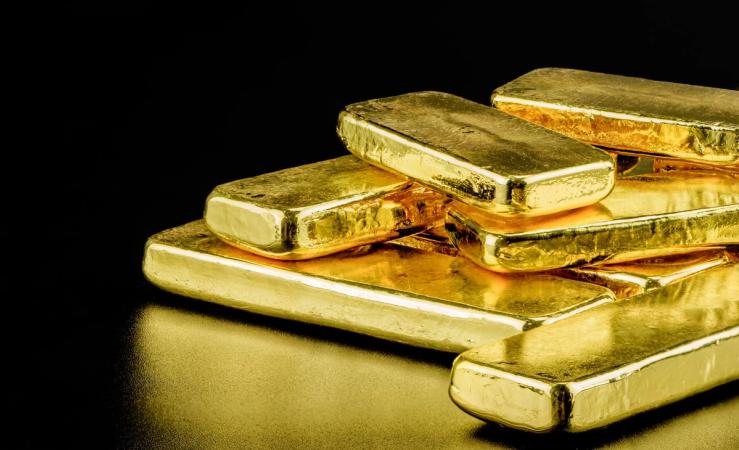
Gold was the perfect test case for tokenization because it solves a physical logistics problem. If you want to own ten thousand dollars worth of gold, you either have to store it under your mattress or pay someone else to guard it. Moving it is expensive and slow. Digital tokens like PAXG turned that physical weight into a line of code that moves in seconds. That was step one.
Step two is realizing that gold, while stable, is a lazy asset. It just sits there. The current movement in the commodities space is focused on utility. We are seeing a transition from passive storage to active lending. If you have a million dollars in tokenized gold, why shouldn't you be able to use that as collateral for a loan instantly, without a bank officer asking you for three years of tax returns? This is where the founder perspective gets interesting. We are moving from "representation" to "integration."
Energy: The Hardest Problem in RWA
While precious metals are relatively easy to tokenize because they don't rot or vanish, energy is a different animal. You can't easily put a barrel of oil or a megawatt of power into a digital vault and forget about it. However, firms like Energy Substantiation are looking at how to bridge this gap. The goal here isn't necessarily to trade oil futures on a decentralized exchange—we already have robust markets for that. The goal is transparency and settlement speed.
For builders, energy tokenization represents the ultimate challenge in oracle reliability. If you are tokenizing a commodity that is being consumed in real-time, your data needs to be flawless. This is where the hype usually outruns the reality. The infrastructure required to verify physical energy production and translate that to a smart contract is still in its infancy. It requires a level of hardware-software integration that most crypto projects aren't ready for yet.
Yield Over Ownership
The real shift I am seeing is the move toward yield-bearing commodities. In the traditional world, if you own a commodity, you are usually betting on the price going up. In the new tokenized world, the asset itself becomes a tool for generating liquidity. Theo and other players in the space are looking at how to turn these physical piles of value into active participants in the credit markets.
This is where my skepticism kicks in. When we start talking about lending against tokenized commodities, we are re-introducing counterparty risk. The whole point of crypto was to get away from that. If you tokenized a bar of gold, but the company holding the gold goes bust or the lending protocol gets drained, the "digital ownership" doesn't mean much. Builders need to focus less on the token and more on the legal and physical custody frameworks that actually protect the user.
What This Means for Founders
If you are building in the RWA (Real World Asset) space, stop looking at gold. That market is crowded and the margins are razor-thin. The opportunity lies in the "difficult" commodities—things like oil, natural gas, or even carbon credits—where the supply chain is currently a mess of paper trails and manual audits.
Successful projects won't just be "Gold on Ethereum." They will be systems that automate the boring stuff: verification, compliance, and settlement. The value isn't in the token itself; it is in the time saved. If you can shave three days off a settlement cycle for an oil shipment, you don't need to hype a coin. The utility will sell itself.
The Reality Check
We are still a long way from oil being a standard collateral type in DeFi. The volatility is too high, and the physical delivery mechanics are too complex for a standard smart contract to handle without significant human intervention. But the fact that institutional players like Paxos are looking beyond the low-hanging fruit of precious metals tells us that the infrastructure is maturing.
Don't get distracted by the idea of "trading everything." Focus on the assets that are currently trapped by bad technology. Commodities are the backbone of the global economy, and right now, that backbone is running on 1990s software. Fixing that is a trillion-dollar opportunity, but it requires more than just a whitepaper and a DEX listing. It requires deep integration with the physical world, and that is where the real work begins.
Takeaway for Builders
The commodity tokenization space is moving from "store of value" to "source of liquidity." If you are building here, focus on the oracle and custody layers for volatile, high-utility assets like energy. The winner won't be the one with the best tokenomics, but the one with the most reliable bridge to the physical world.
Read the original at CoinDesk →