We have reached the part of the cycle where the traditional financial establishment starts using our favorite words while simultaneously sounding an alarm. The International Monetary Fund, an organization not exactly known for its love of decentralization, recently dropped a paper on tokenization. Their takeaway is consistent with what most founders already know: if you build a machine that moves ten times faster than the old one, the crashes will be ten times more spectacular.
For years, the pitch for tokenizing real-world assets has been efficiency. We talk about shortening settlement times from days to seconds. We talk about removing the middlemen who clip coupons while adding zero value. The IMF admits these benefits are real, but they are framing them as a double-edged sword. When business logic is baked into a smart contract, the entire system becomes a highly sensitive, interconnected web. Speed is the feature, but fragile synchronization is the bug.
The Illusion of Control in Automated Systems
In the traditional world, friction is actually a safety mechanism. If a market starts to spiral, humans can step in, pick up a phone, or pull a physical circuit breaker. When we tokenize everything, we automate that friction away. The IMF points out that this leads to a lack of discretionary control during a crisis. If a series of smart contracts are programmed to liquidate assets based on specific price triggers, those orders will execute regardless of the broader context. We saw this during the DeFi summer of 2020 and the subsequent collapses in 2022; liquidations trigger more liquidations, creating a feedback loop that no human can stop in time.
For builders, this is a call to rethink architecture. We have been so focused on making things fast that we have forgotten to make them resilient. A system that settles in three seconds is useless if a minor price oracle error wipes out the entire liquidity pool before a developer can even get an alert on their phone. The IMF is basically telling us that our current tech stack lacks the necessary breaks.
Interconnectivity and the Contagion Problem
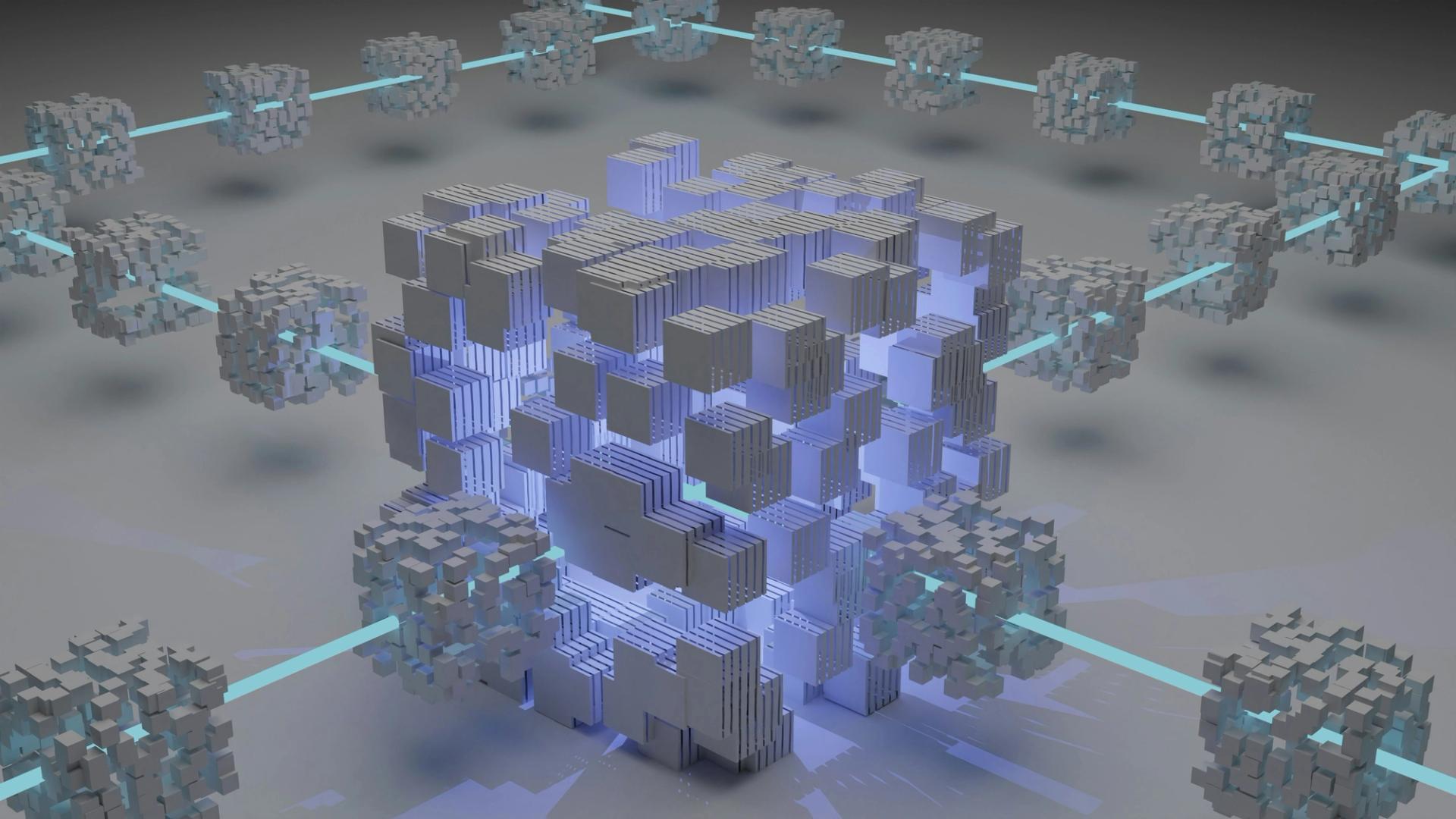
The report highlights a specific concern regarding how different tokenized assets interact. In the current fragmented financial system, a crash in one obscure asset class might stay contained. But when everything is on-chain and interoperable, the silos disappear. This is the promise of DeFi, but it is also the IMF's nightmare. A shock in a tokenized real estate market could, in theory, trigger automated margin calls in a completely unrelated lending protocol because they share the same underlying collateral layer.
This is what we call contagion risk. In a builder-first context, this means your project is only as stable as the weakest link in the ecosystem you choose to build upon. If you are building a boutique financial product on top of a major lending hub, you are inheriting all the risks of that hub and every other project plugged into it. The IMF is worried that this creates a 'too big to fail' scenario for specific protocols or blockchains, where a single bug becomes a systemic threat to the global economy.
Why Founders Should Listen to the Skeptics
It is easy to dismiss the IMF as a group of bureaucrats trying to protect their turf. Some of that is likely true. But their skepticism masks a fundamental engineering reality: complexity is the enemy of security. When you layer smart contracts on top of each other, you are creating a house of cards. The more complex the logic, the more ways it can fail under pressure.
We need to stop pitching tokenization as just 'faster money.' We need to start pitching it as 'safer money.' That requires building in redundancies that don't exist yet. It means creating circuit breakers that allow for human intervention without sacrificing decentralization. It means moving away from the 'move fast and break things' mantra that has defined the last decade of tech. In finance, when things break, people lose their life savings. The stakes are higher here than they are in social media.
The Infrastructure Gap
The IMF's findings also suggest a massive infrastructure gap. They argue that current regulatory frameworks and technical standards are not ready to handle the speed of a fully tokenized economy. From a founder's perspective, this is actually a massive opportunity. We don't just need more tokens; we need better monitoring tools, more robust oracle networks, and insurance protocols that can handle rapid-fire liquidations.
We are currently in the 'dial-up' phase of tokenized finance. We are excited that it works at all, so we aren't yet worried about how fast it can fail. But as we move toward mass adoption, the focus will shift from throughput to stability. Investors are going to start asking how a project behaves during a flash crash, not just how many transactions per second it can process.
The real innovation isn't just putting an asset on a blockchain; it is building the safety valves that prevent that asset from being liquidated by a bot during a thirty-second market glitch.
Practical Takeaways for the Next Build
If you are building in the RWA or tokenization space right now, here is what this means for your roadmap. First, stop treating speed as your primary metric. A five-minute delay in settlement might actually be a feature if it provides a window for fraud detection or market stabilization. Second, prioritize transparency in your collateralization. The IMF is worried about hidden risks; builders who can prove their solvency and risk exposure in real-time will win the trust of the institutions that the IMF is currently trying to scare away.
Finally, we need to be honest about the trade-offs. You cannot have instant liquidity, high yield, and zero risk all at once. The IMF report is a reminder that the faster we move, the more we need to invest in the foundations. If we don't build the safety mechanisms ourselves, the regulators will do it for us, and we probably won't like their version of a circuit breaker.
The goal isn't to build a faster version of the old broken system. The goal is to build a system that is transparent enough to be trusted and robust enough to handle the shocks that are inevitably coming. Speed is great, but survival is better.
Read the original at CoinDesk →