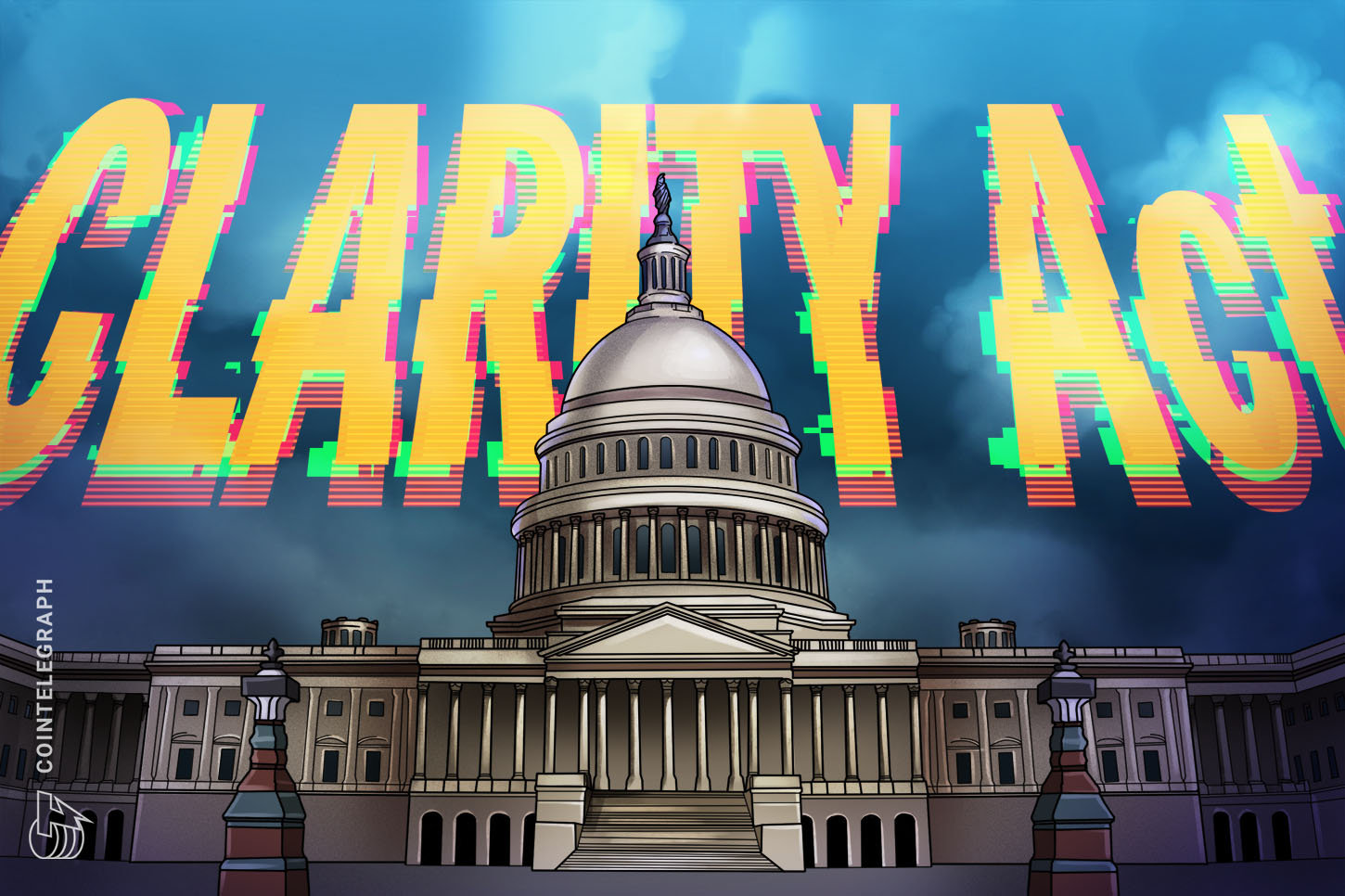
We have all seen the cycle before. A piece of legislation promises to bring order to the chaos of the crypto markets, the industry gets excited, and then the legislative engine starts to smoke. Right now, the CLARITY Act is the focus of the drama. Senate Majority Leader John Thune is signaling that a vote could happen before the mid-August recess, but the path is getting blocked by three specific senators raising the ethics flag.
The Sticking Point: Ethical Optics
The opposition isn't necessarily about the technical mechanics of the bill itself. Instead, the pushback centers on the potential for conflicts of interest. When we talk about "clarity" in this space, we usually mean regulatory definitions—deciding what is a commodity and what is a security. But for these dissenting senators, the concern is about who stands to gain financially from these new rules and whether the legislative process has been sufficiently insulated from industry lobbying money.
For those of us building in the trenches, this feels like moving targets. We want a framework so we can stop hiring lawyers and start hiring more engineers. However, DC operates on a different clock and a different set of incentives. The ethical objections being raised aren't just speed bumps; they are indicators of how toxic the "crypto" label still is in certain political circles.
What the Bill Actually Aims to Fix
If passed, the CLARITY Act would theoretically provide a map for how digital assets are governed. It’s designed to bridge the gap between the SEC and the CFTC, two agencies that have spent the last few years fighting a turf war over our industry. The bill tries to define which tokens are decentralized enough to escape the SEC's more restrictive oversight.
From a founder’s perspective, this is the holy grail. Knowing exactly which agency is going to knock on your door allows you to build with a sense of permanence. Without it, we are just guessing. We are building on shifting sand, hoping that a change in administration or a new court ruling doesn't invalidate our entire business model overnight.
The Partisan Divide
While Thune is pushing for a vote, the reality is that the bill needs Democratic support to cross the finish line. Currently, that support is shaky. Publicly, the dissent is framed as an ethical concern. Privately, it’s often a philosophical divide. There is still a large contingent of lawmakers who view crypto as a tool for illicit finance rather than a foundational technology for the next generation of the internet.
This is where the skepticism comes in. Every time we get close to a legislative win, a new hurdle appears. It makes you wonder if the goal of certain factions in Washington is not to regulate crypto, but to slowly starve it of oxygen by keeping it in a state of perpetual legal limbo.
The Reality for Builders
If you are a founder, you cannot wait for the CLARITY Act. You have to assume the current environment of regulation-by-enforcement will continue for the foreseeable future. Waiting for DC to give you a green light is a recipe for failure. You have to build, stay compliant with the laws that exist—even if they are poorly fit for the tech—and be ready to pivot when the rules eventually change.
- Don't rely on legislative timelines: August 10th is the soft deadline, but in DC, deadlines are often just suggestions.
- Focus on utility: The best defense against regulatory scrutiny is building something that provides clear value and doesn't rely solely on speculative price action.
- Watch the agencies, not just the bills: The SEC and CFTC will continue to act regardless of what happens with the CLARITY Act. Their enforcement actions are your real-world rulebook for now.
The Political Theater vs. Technical Progress
It’s easy to get caught up in the headlines about which senator is blocking what. But it’s important to separate the political theater from the technical progress occurring in the ecosystem. While the Senate debates ethics, developers are still shipping code. L2s are getting faster, AI integration is becoming more sophisticated, and real-world asset tokenization is moving forward.
The CLARITY Act is a messy attempt to catch up to a fast-moving industry. The fact that it’s even being debated at this level signifies that crypto is no longer a fringe hobby. It’s a systemic force that the government can no longer ignore, even if they can't quite figure out how to handle it yet.
The biggest risk to the crypto industry isn't a bad bill—it's the absence of any bill at all. Unpredictability is the enemy of innovation.
The Founder's Takeaway
The opposition to the CLARITY Act isn't a death knell, but it's a reality check. We are operating in a highly politicized environment where our tools are often used as bargaining chips in larger legislative battles. My advice to builders remains the same: keep your head down and focus on what you can control. You can control your code, your community, and your business model. You cannot control a senator's vote.
We will likely see more delays, more ethical posturing, and more partisan bickering. Treat this legislative activity as background noise. If the bill passes, great—we get a clearer map. If it fails, we keep navigating the fog just like we always have. The industry has survived bigger setbacks than a missed vote in August.
Read the original at Cointelegraph →