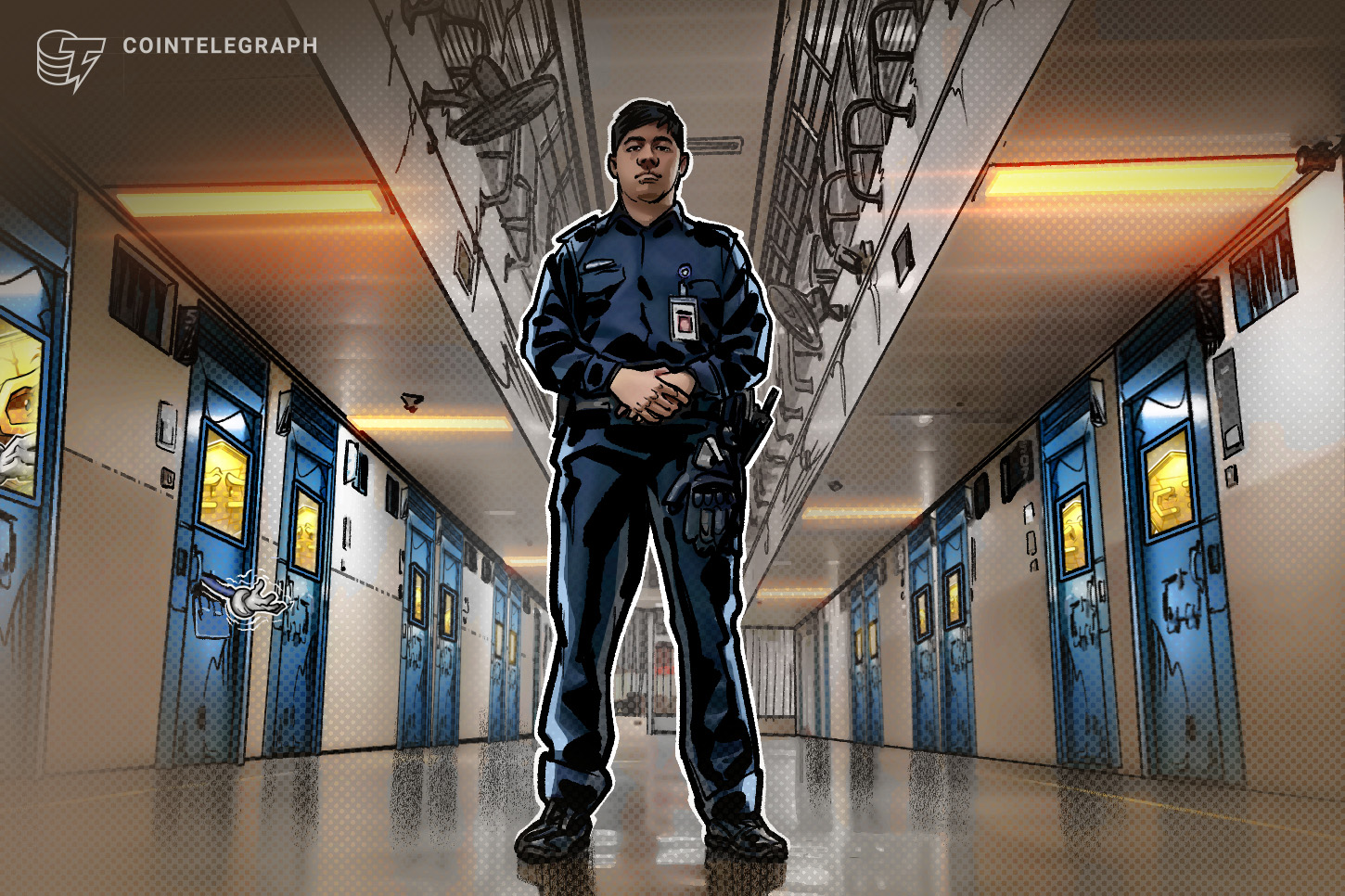
We talk a lot about smart contract audits, multisig setups, and hardware wallets. We obsess over the digital perimeter because that is where we feel in control. But a recent sentencing in Texas serves as a grim reminder that the most dangerous vulnerability in your stack isn't a line of code. It is your front door.
The Texas Incident
Two brothers were recently handed 15-year prison sentences following an armed home invasion that targeted a cryptocurrency holder. They didn't use a phishing link or a sophisticated drainer. They used firearms, zip ties, and physical intimidation. They broke into a residence, restrained the victims, and forced a transfer of digital assets at gunpoint.
This isn't an isolated case of local crime. It is part of a rapidly escalating global trend. Data from the first half of 2026 shows a massive spike in these types of 'wrench attacks.' Home invasions involving crypto theft have surged from a single reported incident to twenty within a six-month window. That is a 1,900% increase in physical violence directed at people who own private keys.
Why Physical Attacks are Scaling
As builders, we have made it harder to steal crypto through the internet. Layer 2s are getting more secure, browser extensions are better at flagging malicious transactions, and institutional-grade custody is becoming the norm for large holders. When the digital wall gets too high to climb, criminals look for the softest entry point: the human being behind the screen.
The transparency of the blockchain, while a feature for auditability, is a bug for personal safety. If you are active on-chain, your wealth is often public. If you are active on social media, your location is often discoverable. For a criminal, the math is simple. Why spend six months trying to find a zero-day exploit in a protocol when you can spend six minutes with a firearm to get the same result?
The Psychological Shift for Founders
For founders and high-net-worth builders, this changes the definition of 'security.' We are entering an era where opsec (operational security) is now indistinguishable from personal physical security. If your lifestyle makes it obvious you have a significant balance, you are effectively walking around with a target on your back that can be seen from any internet connection in the world.
The brothers in the Texas case were caught, but the trauma remains. For the victim, the loss of funds is often secondary to the violation of their home. This is the reality of the 'be your own bank' ethos. When you are the bank, you don't just get the bank's sovereignty; you get the bank's risk profile. Banks have armed guards, bulletproof glass, and vault protocols for a reason.
What This Means for Builders
If you are building products in this space, you need to think about how your UI/UX contributes to or mitigates this risk. We need to move away from 'wealth-flexing' features and toward privacy-preserving defaults. Here is how the landscape is shifting for those of us on the front lines:
- Privacy is now a safety feature: Using tools like stealth addresses or privacy pools isn't just about avoiding taxes; it is about making sure a kidnapper doesn't know exactly how much you are worth before they knock on your door.
- The end of the 'Heavy' Wallet: Carrying your entire net worth on a device linked to your phone is becoming a liability. We are seeing a rise in 'duress' accounts—wallets with a small amount of funds designed to be surrendered under pressure, while the main stash remains hidden or time-locked.
- Multi-location Multi-sig: If a transaction requires three signatures from three different geographic locations, a home invader can't force a transfer. This is no longer just for DAOs; it is becoming a requirement for personal safety.
A Skeptical Look at the Future
The justice system is starting to catch up. Fifteen years is a significant sentence, and it sends a message that the state treats crypto robbery with the same severity as a bank heist. However, law enforcement is reactive. By the time a sentencing happens, the damage is done. The 'wrench attack' is the ultimate low-tech solution to a high-tech problem, and it is the one problem that decentralization doesn't solve.
We have spent a decade telling the world that crypto is the future of finance. The criminal element has listened. They have stopped trying to outsmart the math and started outmuscling the people. This 2,000% increase in home invasions should be a wake-up call for every founder who posts their 'wins' or publicizes their wallet addresses.
The Takeaway
Stop thinking of your security in terms of firewalls and private keys alone. If you are a builder or a significant holder, your physical footprint is your biggest vulnerability. The Texas sentencing is a win for justice, but the statistics behind it are a warning for the rest of us. Your most important security audit might not be for your smart contract—it might be for your home security system and your public social media presence. Stay quiet, stay private, and remember that when the code is bulletproof, the criminals start using real bullets.
Read the original at Cointelegraph →