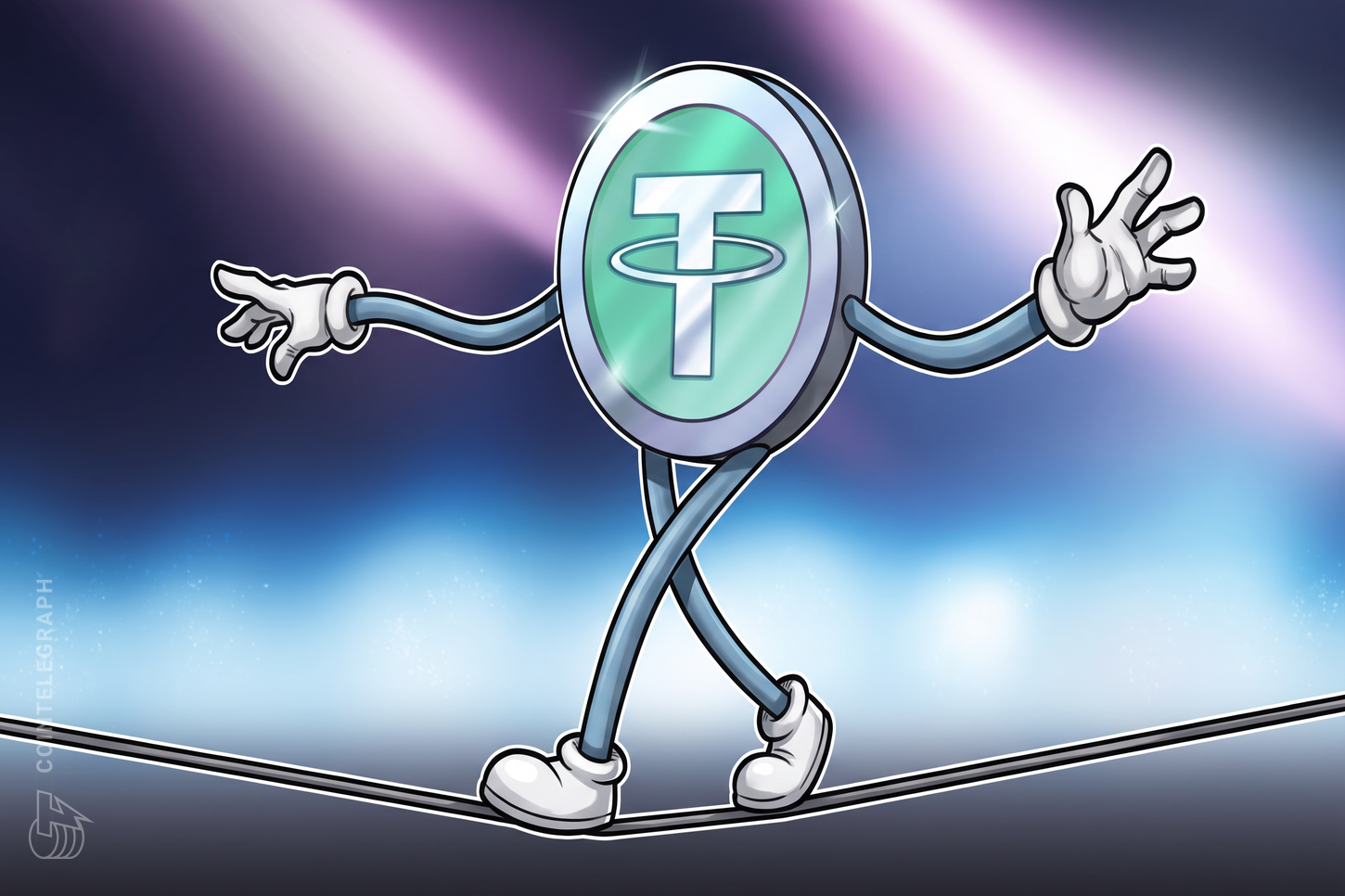
Tether is at it again. The company behind the world’s most liquid stablecoin just took a public swing at S&P Global Ratings. The reason? S&P gave USDT a 4 out of 5 on its stability scale, which in their world is functionally a failing grade. Tether’s response wasn’t a technical breakdown of their balance sheet; it was a reference to The Big Short.
The Rating Game
S&P Global recently updated its Stablecoin Stability Assessment. For those who don’t live in the compliance weeds, these ratings are supposed to tell us how likely a stablecoin is to maintain its peg during a bank run. S&P stood by its previous assessment, which essentially ranks USDT as a high-risk asset compared to competitors like USDC. In fact, S&P noted they couldn't even downgrade Tether further because 5 is the lowest possible score on their scale.
Tether’s leadership didn’t take this quietly. They invoked the ghost of 2008, pointing out that the same agencies now judging crypto were the ones slapping AAA ratings on subprime mortgage junk before the global economy melted down. It’s a classic counter-punch: if the judge is corrupt or incompetent, the verdict shouldn't matter.
Why the Scores Diverge
The friction here comes down to a fundamental disagreement on what constitutes a "reserve." To a legacy rating agency like S&P, a stablecoin is stable if its assets are transparent, held in short-term government debt, and audited by a Big Four accounting firm. They want to see the receipts, and they want those receipts to be boring.
Tether doesn't play by that specific rulebook. While they have moved significantly toward U.S. Treasuries, they still maintain a more complex and aggressive balance sheet than their peers. They’ve made billions in profit, fueled by high interest rates and a massive circulating supply. But because they refuse to provide a full-scope audit from a top-tier firm—opting instead for "attestations" from smaller shops—the agencies remain skeptical.
The Founder's Perspective: Growth vs. Permission
If you’re building in this space, what Tether is doing is essentially a masterclass in jurisdictional arbitrage and brand defiance. They have built a product that the market clearly wants. USDT liquidity is the lifeblood of offshore trading, DeFi, and cross-border payments in emerging markets. The users don’t seem to care what S&P thinks; they care that they can swap USDT for local currency or other crypto assets instantly.
However, there is a risk in this "come and get me" attitude. By dismissing rating agencies as relics of a failed system, Tether is doubling down on a black-box model. For a founder, the lesson is clear: if you build something useful enough, you can ignore the gatekeepers for a long time. But you also become the single point of failure for an entire ecosystem.
The Transparency Gap
The primary critique from S&P involves the lack of visibility into who actually holds Tether’s assets. In the traditional finance world, custody matters as much as the asset itself. If your Treasuries are held in a bank with weak capital requirements, those Treasuries are only as good as the bank’s ability to process the wire. S&P views Tether’s custodial choices as a "risk-constraining factor."
Tether argues that their resilience is proven by market action, not spreadsheets. To be fair, they survived the LUNA collapse and the FTX contagion without breaking their peg for more than a few minutes. They processed billions in redemptions when the rest of the market was on fire. In Tether’s eyes, that is the only test that matters.
The Big Short Paradox
Using The Big Short as a rhetorical shield is a double-edged sword. While it correctly highlights the historical failings of rating agencies, it doesn't actually disprove the current concerns regarding USDT. Just because S&P was wrong about housing in 2007 doesn't mean they are wrong about stablecoin reserves in 2024. Logic doesn't work that way.
For builders, this conflict represents the growing pains of the industry. We are caught between a legacy financial system that is slow and often hypocritical, and a new system that is fast but frequently opaque. Tether is betting that the world will choose speed and utility over a rubber stamp from a New York rating agency.
What Change Means for Builders
If you are integrating stablecoins into your app or protocol, you have to decide which side of this fence you sit on. Relying on USDT means betting on Tether's ability to navigate regulatory pressure and maintain their secret sauce. Relying on USDC or other highly-regulated coins means betting on the legacy system’s ability to integrate with the blockchain.
- Liquidity is King: Regardless of the S&P score, USDT remains the most liquid asset in the space.
- Audit vs. Attestation: Understand the difference. An attestation is a snapshot; an audit is a deep dive. Tether has yet to provide the latter.
- Regulatory Tailwinds: As MiCA in Europe and potential stablecoin bills in the U.S. move forward, the "too big to fail" status of Tether will be tested.
The Real Bottom Line
Tether is currently the most profitable entity per employee in the financial world. They have the capital to buy their way into legitimacy, yet they choose to stay combative. This is a deliberate choice. It keeps them outside the immediate grasp of certain regulators, but it also keeps them at the bottom of the stability charts.
The market has voiced its opinion by keeping USDT at a $100 billion-plus market cap. S&P has voiced its opinion by giving it a 4. Both can be right. S&P is looking at the risk of what could happen based on historical data; Tether is looking at what is happening in the real-time economy. For now, the builders are siding with the liquidity, but they’re keeping a very close eye on the exit.
Read the original at Cointelegraph →