The Allure of the Bitcoin Treasury Play
Lately, it feels like every company with a balance sheet and a dream is trying to replicate the MicroStrategy playbook. The premise is simple: borrow cheap fiat, buy an appreciating digital asset, and let the spread make you a genius. Strive Enterprises is the latest to step into this arena with a $500 million Bitcoin financing plan. On paper, it looks like a bold move into the future of decentralized finance. In practice, it highlights the friction between traditional equity expectations and the volatile reality of crypto assets.
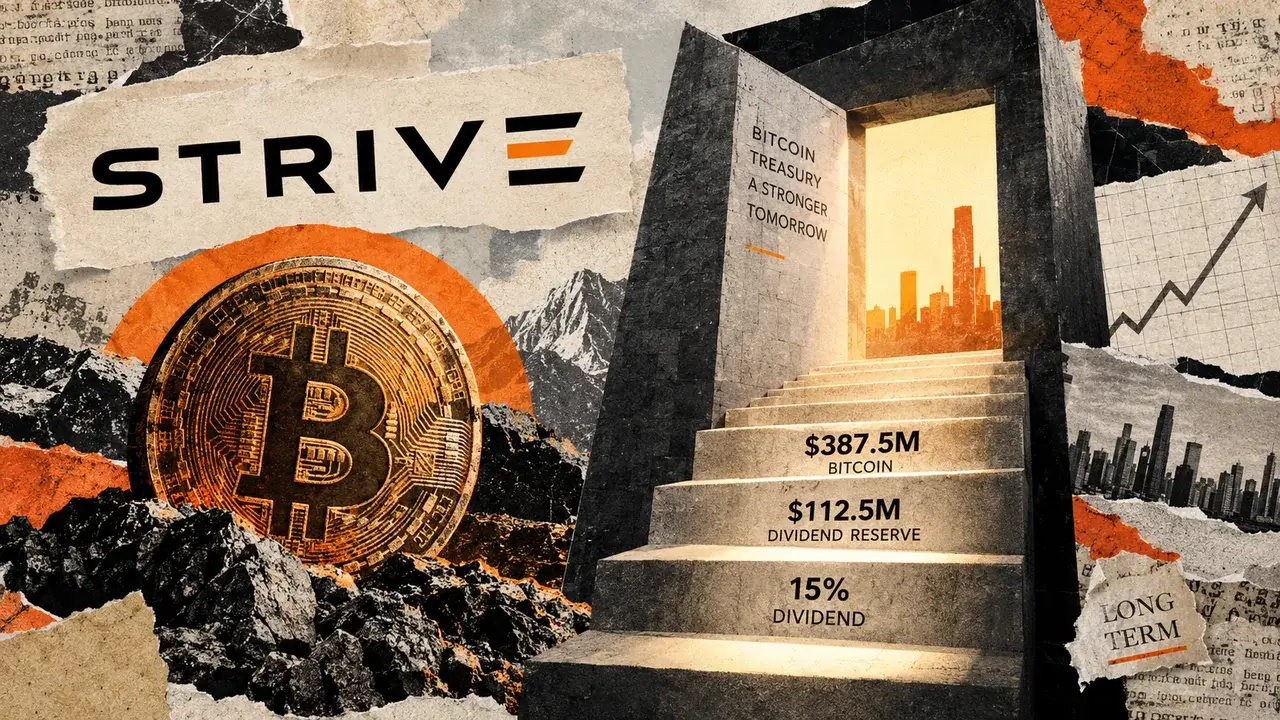
For those of us building in this space, we have to look past the headline numbers. A half-billion dollar commitment to Bitcoin isn't just a bet on price; it is a structural shift in how a company operates. Strive is aiming to allocate roughly $387.5 million of that total toward Bitcoin itself. The remaining capital is meant to fuel operations and growth. This isn't just a hedge; it is a full-pivot into becoming a proxy for the asset they are holding.
The Math That Doesn't Quite Add Up
The core issue here isn't the Bitcoin. If you believe in the long-term thesis of decentralized sound money, holding BTC is a logical move. The problem is the baggage that comes with the financing. When you raise money at this scale, the investors aren't doing it out of the goodness of their hearts. They want a return, and in Strive’s case, that return comes in the form of heavy dividends.
Reports indicate that this financing plan carries a massive $257 million annual dividend obligation. Let that sink in. To stay solvent and keep investors happy, the company has to generate over a quarter-billion dollars in cash flow every year, or the Bitcoin they just bought has to appreciate at a rate that covers the gap. This is where the founder-perspective skepticism kicks in. When your debt service or dividend obligation rivals your total asset purchase, you aren't just investing; you are walking a tightrope without a net.
Why Builders Should Care About Cost of Capital
As a founder, I am always looking at the cost of capital. If I take $1 from an investor, how many dollars do I have to give back, and how fast? Strive’s situation is a cautionary tale about the 'hidden' costs of high-profile crypto raises. If you are building an AI startup or a new protocol, you might be tempted by the idea of putting your seed round into BTC. But if that capital comes with high-interest debt or aggressive preferred equity terms, you have effectively neutralized the benefits of the asset’s growth.
Using Bitcoin as a treasury asset is supposed to provide freedom from the debasement of fiat currency. However, if you layer massive, fixed fiat obligations on top of that Bitcoin, you have just recreated the very system you were trying to escape. You are now a slave to the quarterly dividend cycle, forced to potentially sell your 'pristine' asset at the worst possible time—during a bear market—just to keep the lights on.
The Risks of Financial Engineering
There is a fine line between visionary financial engineering and reckless leverage. We saw what happened to the 'yield' platforms in 2022. They promised high returns by playing games with collateral and market volatility. While Strive is a different animal—a legitimate enterprise with a clear plan—the structural math remains daunting. If Bitcoin enters a multi-year sideways or downward trend, that $257 million annual dividend bill doesn't go away. It stays, looming over the balance sheet like a dark cloud.
For builders, the takeaway is clear: do not confuse a treasury strategy with a business model. A business must generate value through its products and services. If your primary source of 'growth' is the appreciation of your treasury, you aren't a builder anymore; you are a glorified hedge fund. And hedge funds live and die by their entry price and their margin calls.
The Transparency Gap
Another point of concern is the lack of clarity on actual capital deployment. While the $500 million figure is the target, the specifics of how that money is staged and what the actual entry price for the Bitcoin will be remain open questions. In the crypto world, we talk a lot about 'transparency,' but corporate financing remains as opaque as ever. If you are an employee or a smaller stakeholder in a company making these moves, you have to ask: who gets paid first when things go south?
Usually, the answer is the people holding the $257 million dividend notes. Everyone else—the developers, the product managers, the founders—is at the back of the line. This is why I always advocate for a lean, builder-first approach to treasury management. Keep enough fiat to survive the winter, and use Bitcoin as a long-term reserve, not as collateral for a high-interest loan you can't afford to pay back.
Looking Ahead
Strive’s move will likely embolden other companies to try similar stunts. We are going to see a wave of these 'hybrid' companies that are half-software, half-SATS. Some will succeed brilliantly because they timed the market perfectly. Others will be crushed by the weight of their own financing terms.
If you are building in AI or crypto right now, my advice is to stay focused on the utility. Build tools that people need. Use AI to solve actual problems, not just to generate hype for a token launch. And if you decide to put Bitcoin on your balance sheet, do it with 'clean' money—money you don't owe to a demanding creditor next Tuesday.
The goal of a decentralized economy was to remove the middleman and the predatory lender. When we build new corporate structures that rely on massive dividend payouts to sustain a Bitcoin position, we are just inviting the old guard back into the room to take a cut of the future.
Strive is taking a massive swing. I hope it works out for them, because a win for Bitcoin adoption is generally a win for the ecosystem. But as someone who has seen cycles come and go, I can't help but look at that $257 million dividend problem and see a disaster waiting to happen if the market doesn't cooperate. Build for the long haul, watch your downside, and never let your financing kill your innovation.
Read the original at CryptoSlate →