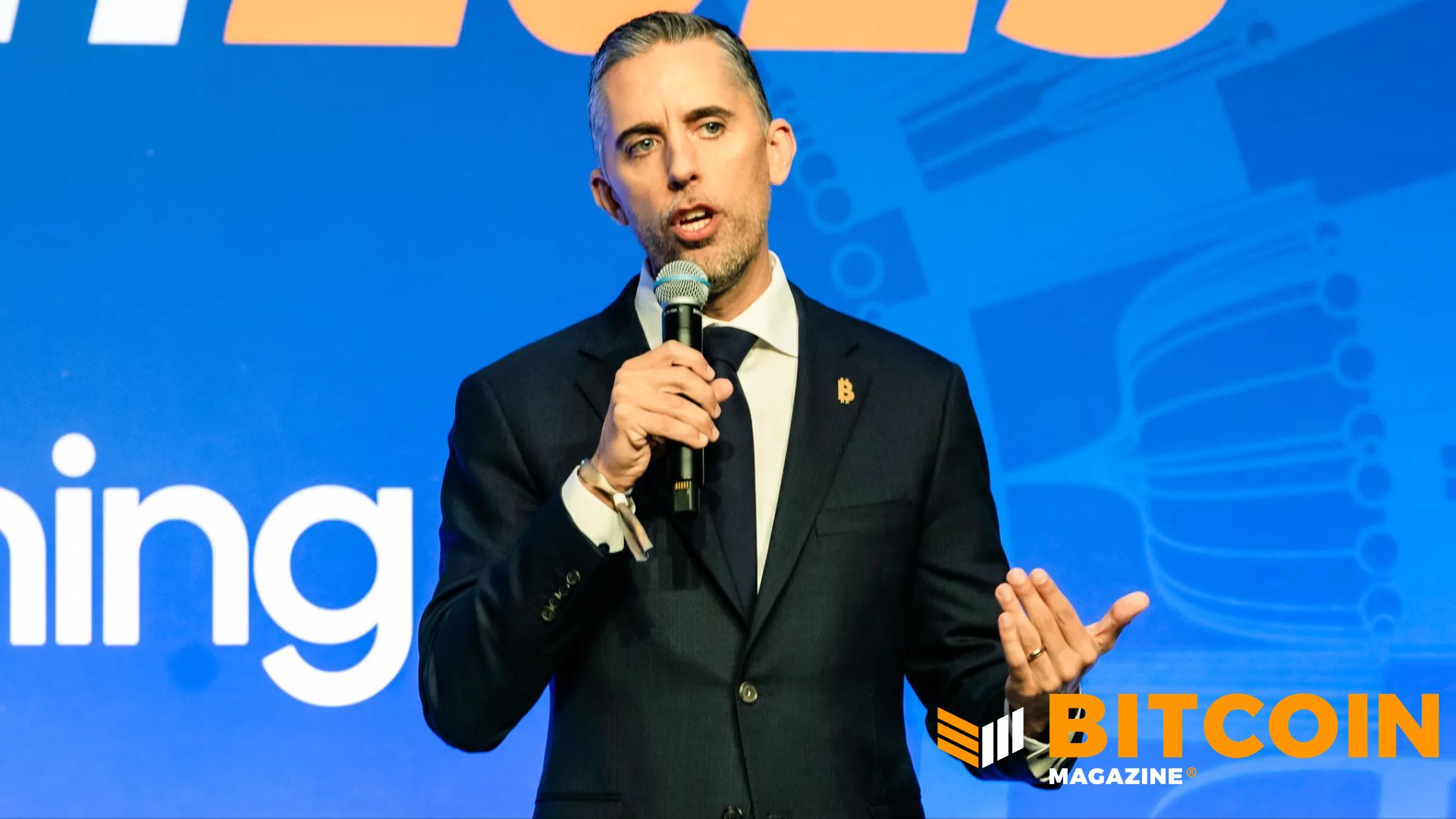
I have spent a lot of time talking to founders who are nervous about volatility. They see the price swings and they back away from integrating Bitcoin into their stack. But while the retail crowd is busy checking their apps every five minutes, the institutional players are quietly absorbing the supply. Strive just crossed the 30,000 BTC mark, solidifying their spot as a top-five corporate holder. This is not just a headline about a big purchase; it is a signal about how the architecture of the Bitcoin economy is shifting from individual users to massive treasuries.
The Weight of 30,000 BTC
When a single entity holds over 30,000 Bitcoin, they are doing more than just making a bet on the price. They are essentially becoming a structural pillar of the market. For those of us building in this space, we have to look past the dollar value. We have to look at liquidity. Every time a company like Strive or MicroStrategy pulls thousands of coins off the exchanges and into cold storage, the circulating supply shrinks. For a builder, this creates a double-edged sword: increased price stability over the long term, but potentially higher entry costs for new projects needing to settle on-chain.
Strive has been aggressive. They are not waiting for a dip; they are executing a strategy. They currently sit behind giants like MicroStrategy and Marathon, but they are gaining ground fast. This tells me that the boardrooms have stopped asking if Bitcoin is real and started asking how much of it they can reasonably own before their competitors realize what is happening.
Why Founders Should Care
If you are building an app or a protocol today, you are likely thinking about user acquisition. But you also need to think about the underlying asset your system might rely on. As corporate treasuries swallow the supply, Bitcoin becomes less of a peer-to-peer cash system and more of a reserve layer. This is where the builder opportunity lies. We need to create tools that allow for the movement of value without necessarily needing to move the underlying Bitcoin that is now sitting in a vault at Strive.
This is the rise of the Layer 2 era, and it is being fueled by this very scarcity. If institutional holders keep buying, transaction fees on the main chain will eventually become a luxury for the wealthy and the corporate. As a founder, your job is to build the bridges that allow the rest of the world to participate in the Bitcoin economy without needing to compete with a multi-billion dollar treasury for block space.
The Skeptic’s Perspective
I am always a bit wary when I see this level of concentration. Bitcoin was designed to be decentralized. When we see five or six companies holding a massive percentage of the total supply, we have to ask if we are just recreating the old banking system with new math. Strive is playing the game by the rules, but the rules of the game are changing as the players get bigger. If you are a founder, do not just follow the hype. Understand that these large holders have different incentives than you do. They want to hold; you likely want to build tools that facilitate movement and utility.
We also have to consider the risk of these massive pools. If a corporate holder ever decides to exit, or if regulatory pressure forces a liquidation, the impact on the market would be far more violent than a few thousand retail users selling off. This is why diversification of the network is still the most important metric for health, even if it is not the one that makes the price go up the fastest.
What Happens Next?
We are going to see more of this. Strive hitting 30,000 BTC is a milestone, but it is not the finish line. The trend is clear: the supply is moving into professional hands. For builders, the takeaway is simple: stop waiting for Bitcoin to become a retail payment method on the base layer. It is becoming the world's premier collateral asset. Build your services, your apps, and your AI agents to treat it as such.
The era of cheap, easy-to-grab Bitcoin is closing. The companies that realize this now and build their infrastructure to accommodate a high-value, low-velocity base layer are the ones that will survive the next five years. Strive isn't buying because they want to trade; they are buying because they want to own the foundation. You should be building on it accordingly.
- Institutional supply is drying up the secondary market.
- Layer 2 development is no longer optional; it is a necessity for scalability.
- Founders must distinguish between Bitcoin as a currency and Bitcoin as collateral.
We are watching the institutionalization of the network in real-time. It is honest, it is messy, and it is exactly what happens when an asset goes from a niche experiment to a global standard. Keep your eyes on the supply, but keep your hands on the code. The big players are buying the ground, so you should start thinking about what you are going to build on top of it.
Read the original at Bitcoin Magazine →