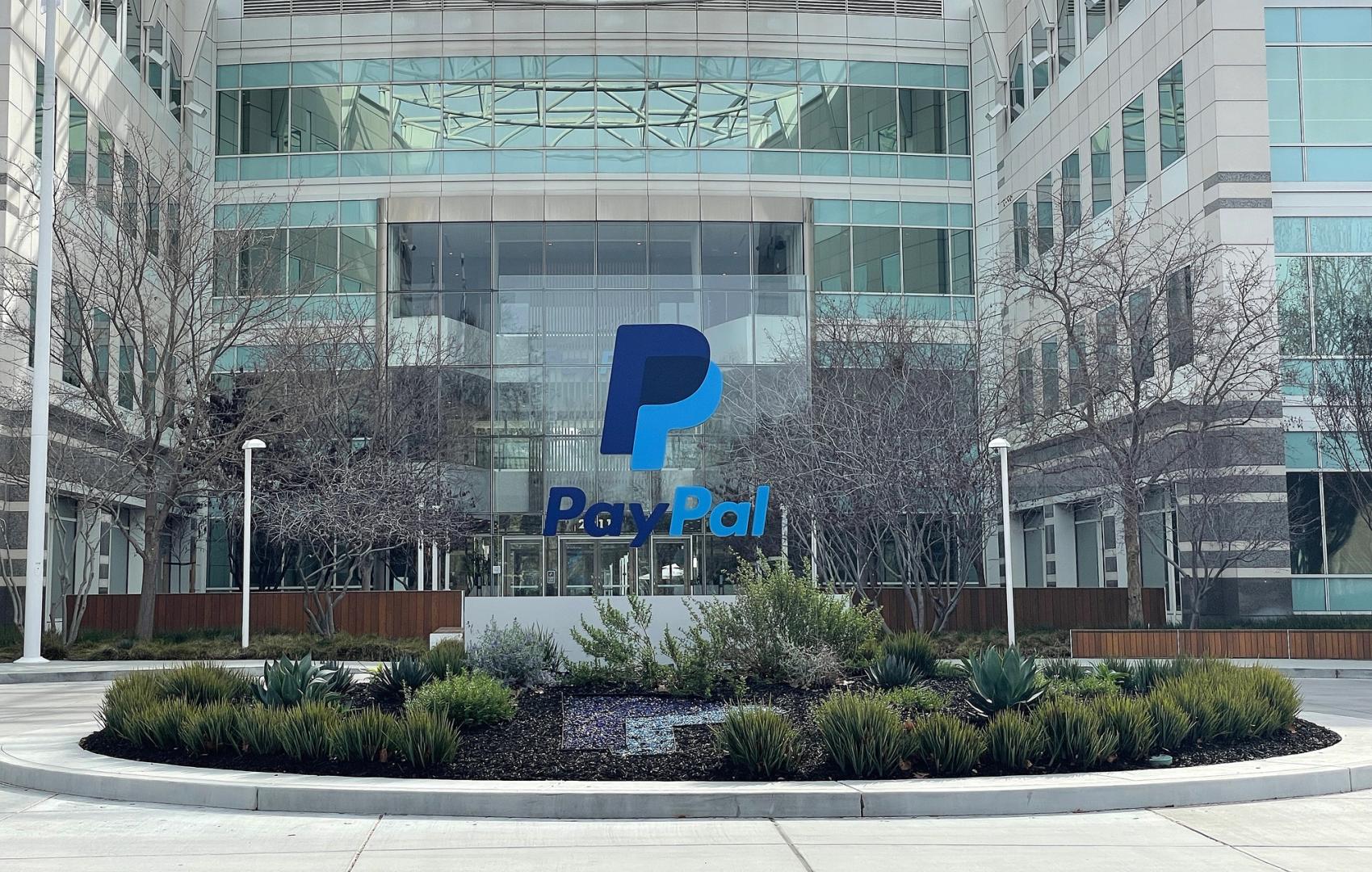
The Consolidation of the Payment Stack
For those of us who have been building in the fintech and crypto space for the last decade, the news that Stripe is teaming up with Advent International to offer $53 billion for PayPal feels like a tectonic shift. It is the new guard coming for the old guard, not with a disruptive app, but with a massive checkbook. PayPal, the company that effectively invented online payments as we know them, is now the target of the company that perfected the API-first model.
Stripe has spent years positioning itself as the infrastructure of the internet. They did not just build a checkout page; they built a developer experience. Now, by moving to acquire PayPal, they are signaling that the era of fragmented payment legacy systems might be coming to an end. This is not just a business deal; it is a signal that the infrastructure layer is hardening, and if you are building in this space, you need to pay attention to who owns the rails.
Why PayPal Matters to Developers Now
PayPal has had a rough transition over the last few years. While they still command a massive user base, their reputation among modern builders has slipped. Integrating PayPal often feels like a trip back to 2012. However, they hold something that Stripe desperately wants: a massive, entrenched merchant network and a consumer wallet that still has top-of-mind awareness for millions.
For a founder, this bid suggests that Stripe realizes it cannot wait for organic growth to displace the legacy giants in every market. If they own PayPal, they own the consumer side of the transaction in a way they never have before. Stripe has always been great at B2B and merchant API integration, but PayPal is the household name. Combining Stripe’s technical superiority with PayPal’s market penetration would create a behemoth that is almost impossible to route around.
The Crypto and AI Context
We cannot talk about Stripe and PayPal without looking at their recent moves in stablecoins and AI-driven automation. PayPal launched PYUSD to mixed reviews but clear intention. Stripe recently re-integrated crypto payments, allowing merchants to accept stablecoins again. These two companies are racing to be the primary interface between traditional fiat systems and the emerging programmable finance world.
If this deal goes through, Stripe becomes the de facto gatekeeper for how crypto enters the mainstream commerce world. Instead of managing two different integration paths for legacy and new-age payments, builders would likely see a unified stack. The skeptical side of me wonders if this consolidation will stifle innovation in the long run. When two giants merge, the result is usually more bureaucracy, not less. For those of us using AI to automate treasury management or payment routing, a Stripe-owned PayPal could either be a unified dream or a documented nightmare of breaking changes.
The Valuation Gap
The $53 billion figure is significant. It shows that even in a high-interest-rate environment, there is an appetite for massive consolidation. Stripe is backed by Advent in this bid, meaning they aren't just using their own paper; they have serious private equity weight behind them. PayPal’s reluctance to engage so far tells me they believe they are undervalued, or they fear that Stripe will gut the parts of the company that make it unique in favor of their own streamlined API model.
From a founder's perspective, this is a lesson in lifecycle management. PayPal was the disruptor once. Now it is the target. If you are building a payment startup today, your roadmap likely just got shortened. The middle ground is disappearing. You either become a niche player with a very specific use case, or you prepare to be absorbed into the ecosystem of whatever this new Stripe-PayPal hybrid becomes.
What Builders Should Watch For
If you are currently building on top of either platform, there are three things you should be tracking:
- API Convergence: Will Stripe force PayPal merchants onto the Stripe API? If history is any indicator, Stripe will want to clean up PayPal’s technical debt quickly.
- Stablecoin Dominance: A combined entity would have a massive incentive to push their own stablecoin standard. This could be great for adoption but bad for decentralization.
- Regulatory Headwinds: A deal of this size will be under a microscope. The Department of Justice and the FTC are not fans of vertical integration in the financial sector right now. This deal could be tied up in litigation for years.
Consolidation is the natural end-state of a maturing market, but in the world of crypto and AI, it often happens before the new technology has had a chance to breathe.
The Takeaway
Stripe’s bid for PayPal is a bold move to own the entire lifecycle of a transaction, from the developer’s code to the consumer’s wallet. It is a massive bet that the future of finance is about scale and simplicity rather than variety. For builders, this means the infrastructure you rely on is becoming more centralized. You need to ensure your stack is resilient enough to handle a world where one company controls the vast majority of online commerce volume. Don't get comfortable with your current integrations; change is coming, whether PayPal likes it or not.
Read the original at CoinDesk →