The $15 Million Bet Against Tomorrow
It sounds like the plot of a bad sci-fi movie: a computer so powerful it can guess every password on Earth in seconds. But for the people holding billions of dollars in Bitcoin, the threat of quantum computing is more than just a campfire story for nerds. It is a genuine systemic risk that could, in theory, break the cryptographic foundations of the entire blockchain.
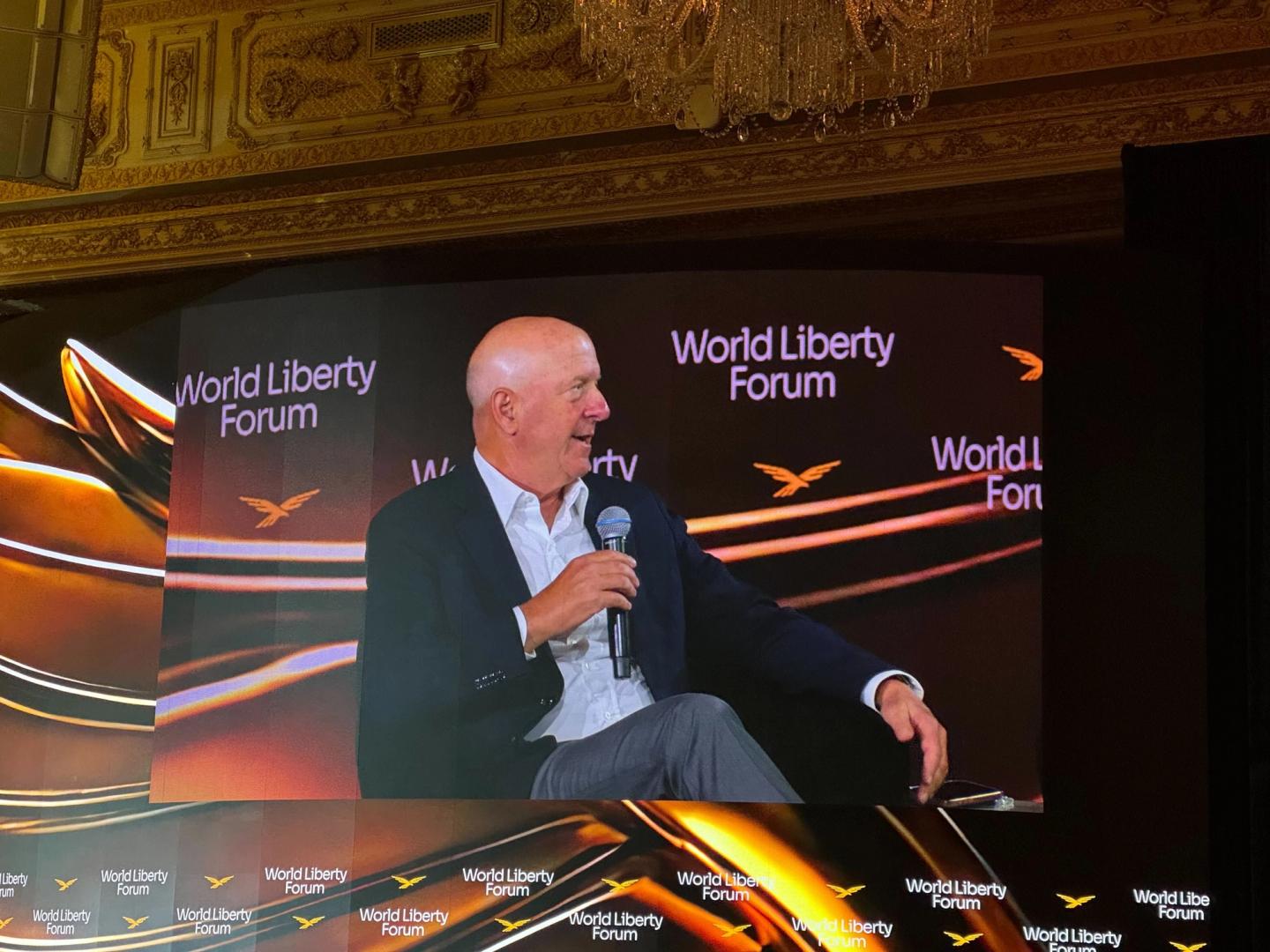
Recently, a group of nine industry heavyweights, led by the unexpected duo of MicroStrategy and BlackRock, announced the formation of the Bitcoin Security Consortium. They are putting up $15 million to fund research into post-quantum cryptography. For a world where we usually see these companies competing for market share or ETF inflows, this collective defensive posture says more about the current state of Bitcoin than any price chart ever could.
As a builder, I look at this and see a shift in maturity. We are moving past the era of just trying to get people to buy the coin. Now, the institutional players are worried about how to make sure the coin actually works thirty years from now.
Understanding the Quantum Boogeyman
To understand why this matters, you have to understand how Bitcoin stays secure today. It relies on something called Elliptic Curve Cryptography (ECC). Without getting into a math lecture, it essentially means it is very easy to generate a public address from a private key, but mathematically impossible to go the other direction using traditional computers. Even the fastest supercomputers we have today would take trillions of years to crack a single wallet.
Quantum computers change the math. They use things called qubits, which allow them to perform certain types of calculations at speeds that make our current silicon look like a stone tablet. Specifically, Shor’s algorithm is the one everyone is worried about. If a sufficiently powerful quantum computer is built, it could potentially derive a private key from a public key. If that happens, every Bitcoin address ever used becomes a target.
This is not a problem for tomorrow morning. We are likely a decade or more away from a "cryptographically relevant" quantum computer. But in the world of high-stakes finance, a decade is a heartbeat. You don't wait for the fire to start before you buy the insurance.
The Institutional Pivot to Infrastructure
I have always been a bit skeptical of the "institutional adoption" narrative when it just means Wall Street fat cats buying up the supply. I prefer builders. But this consortium represents something different. It is BlackRock recognizing that their ETF is only as good as the underlying code. If the code breaks, their product goes to zero, and their reputation goes with it.
The $15 million initial fund is meant to attract the best researchers in the field. They aren't trying to build a new blockchain; they are looking for ways to upgrade the existing one. This likely means developing new signature schemes that can survive a quantum attack and finding a way to implement them into the Bitcoin core protocol without fracturing the community into a thousand pieces.
For founders in the space, this is a signal. The "move fast and break things" era of crypto is hitting a wall. We are entering the era of "move carefully and secure everything." If you are building a wallet, a custody solution, or a layer-two, you can no longer ignore the long-term cryptographic roadmap.
Why Bitcoin is Different Than Other Chains
Upgrading Bitcoin is notoriously difficult. Unlike Ethereum, where a centralized group of developers can push through major changes relatively quickly, Bitcoin is an oil tanker. It turns slowly, if at all. This is intentional. The rigidity of the protocol is what gives it value as a store of wealth.
However, that rigidity is also its greatest weakness in the face of a quantum threat. To make Bitcoin quantum-resistant, we will likely need a new type of address. Users would have to move their funds from their old, vulnerable addresses to new, secure ones. This would be the largest migration of capital in history.
The consortium’s job is to figure out the smoothest way to do this. How do you convince millions of holders to move their coins? How do you handle "lost" coins that are stuck in old addresses that can't be upgraded? These aren't just technical questions; they are social and economic ones. The fact that the largest asset manager in the world is putting money into solving this tells me they have done the math and realized that doing nothing is no longer an option.
The Founder's Perspective
If I'm starting a company today, I'm watching this consortium closely. Not because I expect them to solve it overnight, but because it creates a new market. There will be a massive demand for tools that help users migrate to new cryptographic standards. There will be a need for auditing firms that specialize in post-quantum security. There will be a whole new stack of infrastructure built specifically to bridge the gap between our current silicon world and the quantum one.
Don't get caught up in the hype cycles of the latest meme coin or the newest high-yield farming scheme. Look at where the heavy capital is moving when nobody is looking. They are moving into the foundations. They are making sure the ground beneath them doesn't turn into quicksand.
Takeaway for Builders
The Bitcoin Security Consortium is a rare moment of honesty from the top of the food chain. They are admitting that the current system has a shelf life and they are willing to spend real money to extend it. This isn't a reason to panic; it’s a reason to prepare.
- Focus on Longevity: If your product relies on current cryptographic standards, start researching what a transition to post-quantum signatures looks like.
- Infrastructure is King: The big money is moving toward the base layer. Security is no longer a feature; it's the product.
- Watch the Standards: This consortium will likely set the tone for how the entire industry handles the quantum threat. Don't be the last one to adopt the new standard.
We are finally seeing the adults in the room act like adults. It’s about time. Bitcoin is being treated like the global financial infrastructure it claims to be, and that means taking the far-off threats seriously. If you aren't thinking about 2035, you aren't really building for the future.
Read the original at The Block →