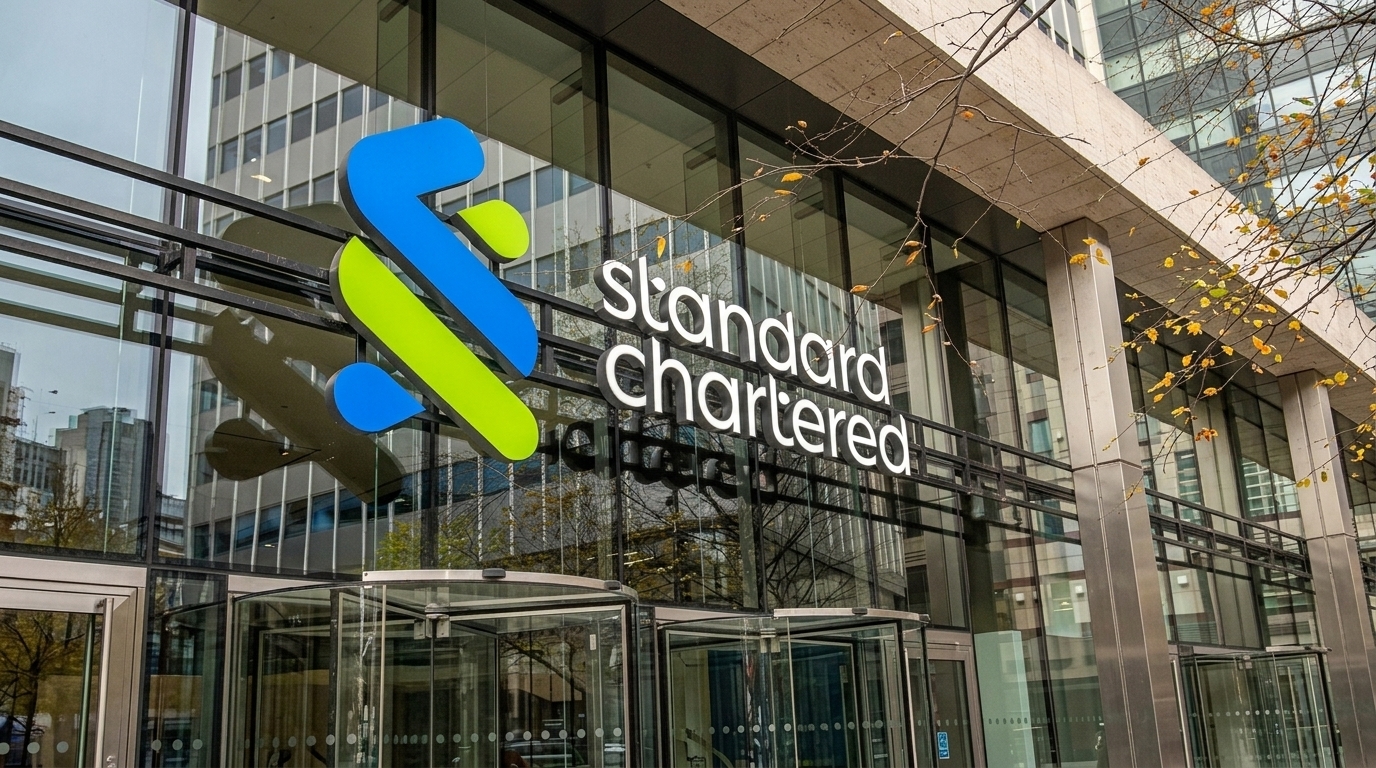
We have reached the phase of the cycle where the big banks are tired of just dating crypto startups. They want to own the house. Standard Chartered recently announced it is moving to acquire Zodia Custody, the digital asset storage firm they actually helped incubate back in 2020. This isn't just another corporate consolidation; it is a clear signal that the wall between legacy finance and digital assets has finally crumbled.
The End of the Partnership Era
For the last few years, the relationship between Tier-1 banks and crypto was one of cautious distance. Banks would spin up a separate entity, give it a cool name, and let it operate in a regulatory sandbox. It was a way to offer services to institutional clients without getting too much dirt on the balance sheet. Zodia was that experiment for Standard Chartered.
By moving to fully integrate Zodia, Standard Chartered is telling us that crypto custody is no longer a peripheral service. It is becoming a core banking function. For builders, this is a double-edged sword. On one hand, it validates everything we have been building. On the other, it means the incumbents are no longer content to let startups lead the way in infrastructure.
Infrastructure is the New Front Line
When we talk about crypto, we often get bogged down in price action or the latest meme coin. But for a bank like Standard Chartered, the only thing that matters is custody. If you don't own the keys, you don't own the client. By bringing Zodia in-house, they are securing the foundation of their digital asset strategy.
This move is likely driven by the massive influx of institutional capital we've seen since the approval of various Bitcoin and Ethereum ETFs. Large funds don't want to deal with a dozen different providers; they want a one-stop shop with a brand name they trust. Standard Chartered is positioning itself to be that shop. They are essentially turning Zodia into the 'Fort Knox' of their digital operation.
What This Means for the Founder Perspective
If you are a founder building in the infrastructure space, the game just changed. You are no longer just competing with other startups; you are competing with the balance sheets of multinational banks. If your business model relies on being a 'bridge' between TradFi and DeFi, you need to realize that the banks are building their own bridges now.
However, this creates a massive opportunity for 'Builder-First' innovation. Large banks are notoriously slow to innovate once they acquire a platform. They get bogged down in compliance, legacy systems, and internal politics. This opens up a gap for nimble teams to build the next generation of tools that these giants haven't even thought of yet—things like automated treasury management or cross-chain settlement layers that go beyond simple storage.
The Skeptic's Corner
We need to be honest here: acquisition doesn't always mean success. Often, when a big bank swallows a tech-forward startup, the innovation dies. The talent leaves to start new projects, and the product becomes a stagnant utility. Standard Chartered has to prove they can maintain Zodia's edge while navigating the suffocating regulatory environment that banks live in.
There is also the question of decentralization. Every time a major bank acquires a custodian, the 'not your keys, not your coins' ethos takes a hit. We are seeing a massive centralization of Bitcoin and other assets under a few corporate banners. While this helps with 'adoption,' it moves us further away from the original goal of peer-to-peer finance. As builders, we have to ask ourselves if we are building tools for liberation or just better tools for the existing system.
The Roadmap Ahead
Expect to see more of this. The 'Big Four' and their global counterparts are looking at their portfolios and realizing that owning the infrastructure is cheaper and safer than paying a third party. We are likely to see a wave of acquisitions targeting firms that specialize in staking, prime brokerage, and tokenization.
For those of us in the trenches, the mission remains the same: keep building things that are too useful to be ignored. Whether you end up being acquired by a bank or you build the system that eventually replaces them, the value is in the code and the utility.
The Takeaway
Standard Chartered buying Zodia is a loud reminder that the institutionalization of crypto is complete. The 'wild west' days of custody are over, and the era of the 'Mega-Custodian' has begun. For builders, the goal should be to innovate faster than the banks can acquire, focusing on the decentralized primitives that a legacy institution can't easily replicate or control.
The banks aren't coming for crypto anymore; they are already here, and they're starting to buy up the furniture.
Stay skeptical, keep your head down, and keep building. The landscape is shifting, but the opportunity for those who understand the technology has never been greater.
Read the original at Bitcoin Magazine →