The Invisible Signature
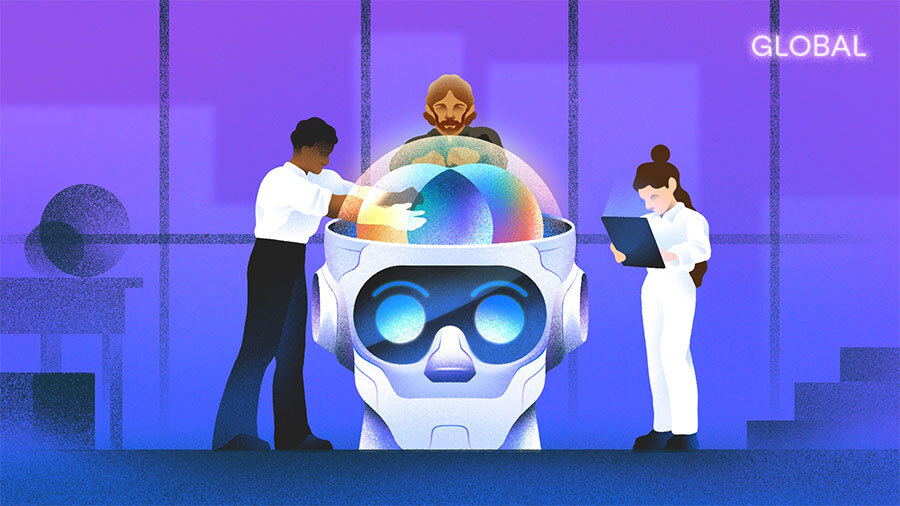
Anthropic just dropped a feature that has a specific subset of the internet sweating. They are integrating invisible watermarking into Claude’s output. The goal is simple: to make it identifiable that a piece of text was generated by their model. While this sounds like a win for safety and transparency, it has triggered a backlash from users who have spent the last year integrating Claude into their professional and academic workflows.
For the average founder or builder, this might seem like a non-issue. We have always known that AI leaves footprints. But for the people using these tools to automate their day jobs or pass classes, the move feels like a betrayal. It raises a massive question about who actually owns the output of an LLM and whether we are entering an era of permanent digital surveillance for creative work.
The Mechanics of Detection
Watermarking in text isn't about slapping a logo on a PDF. It is about statistical patterns. By subtly influencing the frequency of certain word choices or punctuation sequences, Anthropic can create a signal that is invisible to the human eye but loud and clear to a detection algorithm. Even if you swap out a few adjectives, the underlying structure often remains, acting as a digital fingerprint.
This is a strategic move for Anthropic. They want to be the "safe" AI company. By providing a way for universities and HR departments to verify if a document was AI-generated, they are positioning themselves as the responsible adult in the room. But in doing so, they are effectively turning their own users over to the authorities. It is a pivot from being a productivity tool to being a compliance tool.
The Founder Perspective
From a builder's standpoint, this is a classic case of misaligned incentives. Anthropic needs the approval of regulators and large institutional clients to survive. Those institutions want control. They want to know when a student is using a shortcut or when an employee is delegating their thinking to a machine. On the other side, the user wants the most efficient path to a finished product.
I have always said that if you are using AI to do 100% of your work, you are already on borrowed time. The real value is in the hybrid model—using the AI to build the frame and then doing the finishing work yourself. The problem here is that Anthropic’s new watermarking doesn't care if you edited the text. If the core structure is there, the flag goes up. For a freelancer trying to stay competitive or a founder drafting a quick pitch deck, this adds a layer of anxiety that shouldn't be there.
The tension here isn't just about cheating. It is about the definition of work. If the output is good, does it matter if a human or a machine chose the words?
Why the Backlash is Real
The anger we are seeing on social media isn't just coming from lazy students. It is coming from professionals who feel like the rug is being pulled out from under them. Many companies have a gray-area relationship with AI. They want the increased productivity, but they haven't updated their HR policies to reflect how the work actually gets done. Employees are using Claude to handle the grunt work, effectively acting as managers for their own AI assistants.
When a company like Anthropic introduces watermarking, they are effectively blowing the whistle on those employees. It forces a conversation that many people aren't ready to have. If your boss finds out your weekly report was 80% Claude, are you a genius for being efficient, or are you a fraud? Most corporate cultures currently lean toward the latter.
The Technical Limitations
We need to be honest about the effectiveness of these watermarks. They are not foolproof. Any builder knows that if you take AI output and run it through a different model for a light rewrite, or if you manually restructure the paragraphs, the watermark usually breaks. This creates a cat-and-mouse game. Users will find ways to "clean" the text, leading to a new market for tools designed specifically to strip out Anthropic’s signatures.
This leads to a fragmented ecosystem. We are going to see a divide between models that are "compliant" (like Claude) and models that remain "neutral" or open-source. For those of us building in this space, the choice of which API to use now includes a political and ethical dimension. Do you want your users to be tracked, or do you want to provide them with a tool that respects their privacy and ownership of the output?
The Long-Term Impact on Productivity
This move might actually hurt the adoption of AI in the long run. If users feel like they have to constantly look over their shoulder, they will stop using the tools for high-stakes work. We are already seeing a decline in trust. When you pay for a subscription, you generally expect that the output belongs to you, full stop. Anthropic is testing that assumption.
For builders, this is a reminder to always look at the terms of service and the hidden features of the models you integrate. If you are building a platform for writers, you need to know if the underlying engine is tagging their work. Transparency is the only way to maintain a relationship with your users. If Anthropic had been clear about this from day one, the reaction might have been different. Instead, it feels like a patch that changes the fundamental nature of the product.
A Takeaway for the Builders
If you are developing applications on top of Claude, you need to be aware of how this affects your end-users. You may need to provide your own layers of processing to ensure that your users aren't inadvertently flagged by third-party detectors. The era of "pure" AI output is ending; the era of obfuscation and detection is just beginning.
- Watermarking shifts the power dynamic from the creator to the platform provider.
- Detection tools are notoriously prone to false positives, which could lead to wrongful accusations in professional settings.
- Open-source models like Llama will likely see an uptick in usage from those who value privacy and output ownership.
- The best defense against being flagged is to actually add human value to the AI’s starting point.
Ultimately, this isn't just a technical update. It is a philosophical shift. Anthropic is choosing a side. They are siding with the institutions that want to monitor and control the flow of information. As a builder, you have to decide if that is a side you want to be on. The honest truth is that AI is a tool, and tools shouldn't report back to the manufacturer on how they are being used.
Read the original at TechCrunch AI →