The Lottery That Actually Pays Out
In a world where Bitcoin mining has become an industrial-scale arms race, something strange just happened. A solo miner, operating with a tiny fraction of the global hashpower, successfully mined block 870,082. This isn't just a technical win; it is a $191,000 reminder that Bitcoin was originally designed for the individual, even if the current reality feels like a playground for billionaires.
We talk a lot about decentralization, but the math usually points the other way. Most miners join massive pools because they want a steady paycheck. They trade the dream of a massive windfall for the security of small, frequent crumbs. This solo miner, however, took the opposite bet. They used a solo mining service, likely pointing their hardware at a pool that doesn't split the reward unless you actually find the block. It is the high-stakes poker of the crypto world, and this time, the underdog took the pot.
The Math of the Long Shot
To understand why this is a big deal, you have to look at the numbers. The Bitcoin network's total hash rate is currently an incomprehensible wall of computing power. For a single machine or a small home setup to solve a block, the odds are effectively one in millions. It is the digital equivalent of finding a specific grain of sand on a beach while blindfolded.
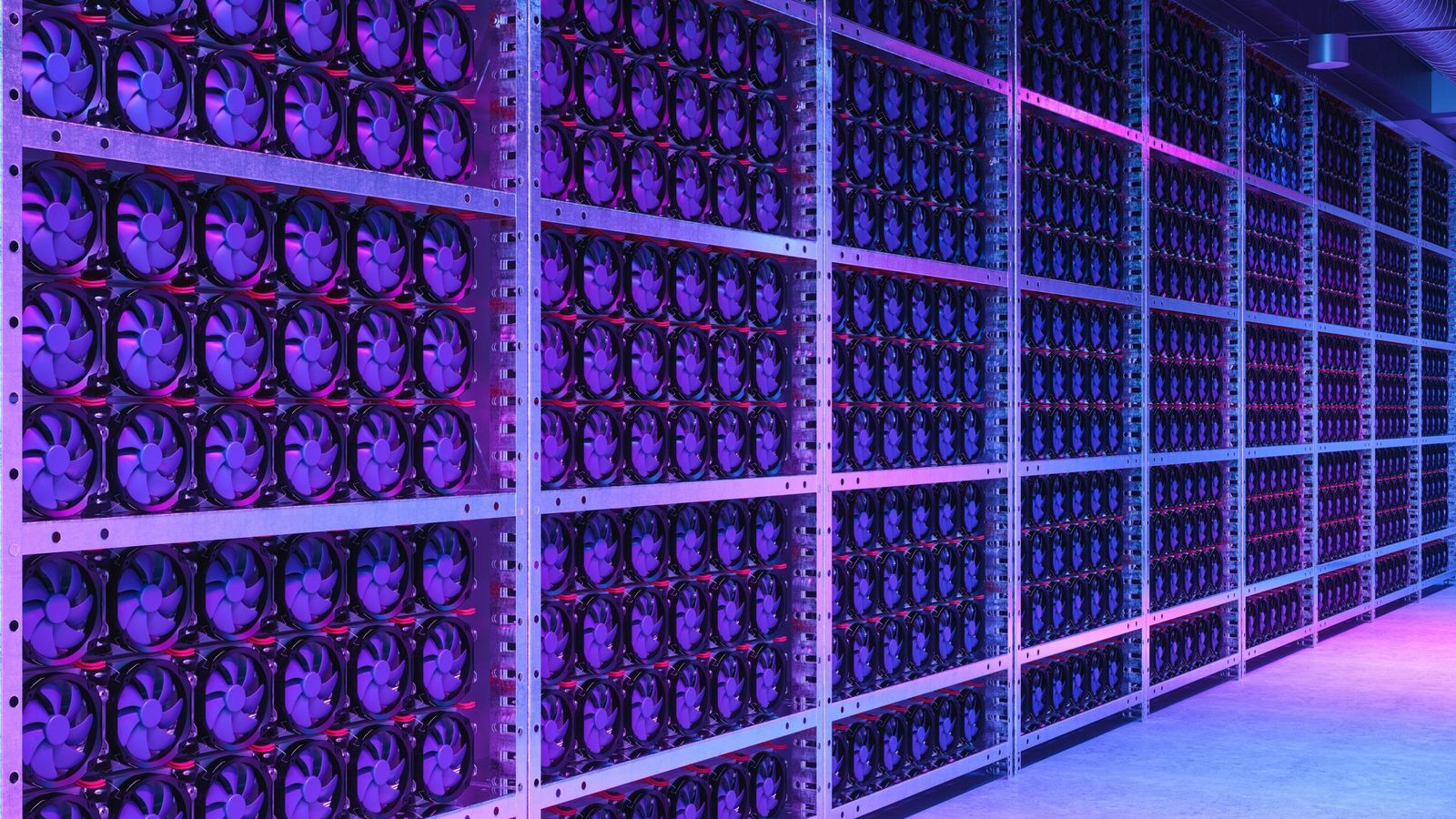
For builders in this space, this event highlights a core tension. We build systems meant to be permissionless, yet the economics often force us toward centralization. Large-scale mining farms in Texas or Iceland have thousands of ASICs humming in climate-controlled warehouses. They have economies of scale on electricity and hardware. Yet, the protocol itself doesn't care about your balance sheet. It only cares about the valid hash.
Why Builders Should Care
If you are building in the Bitcoin or AI space, there is a lesson here about persistence and the nature of decentralized protocols. We often hear that the "little guy" is dead in crypto. We are told that if you aren't backed by a Tier-1 VC or running a massive server farm, you shouldn't bother. This block reward proves that the protocol is still the ultimate arbiter, not the size of your company.
From a founder's perspective, this is about risk management versus pure upside. Most of us choose the safe path—the mining pool, the steady job, the incremental growth. But Bitcoin still leaves the door cracked for those who want to play for the whole thing. It is a feature, not a bug. It keeps the network honest. If solo mining were impossible, the network would be nothing more than a distributed database owned by five companies. The fact that this can still happen is proof of health.
The Mirage of Fair Competition
Let's not get too sentimental, though. While this win is great for the individual, it doesn't change the broader trend. Mining is still a game of energy costs. If you are paying retail rates for electricity, you are losing money every second your machines are on, regardless of whether you hit a block. The person who won this $191,000 might have been running their equipment for years at a loss just for this one moment of parity.
This is where the skepticism kicks in. We shouldn't view this as a sign that home mining is "back." It isn't. It is a statistical anomaly that confirms the rule. For a builder, the takeaway shouldn't be "I should buy a miner." It should be "I should build systems that allow for these anomalies to happen." We need more protocols that don't just favor the biggest stack, but leave room for the lucky, the persistent, and the independent.
The Technical Reality
The miner in question was using a service that allows individuals to compete without the overhead of running a full node themselves, but without the safety net of a shared reward. It is a middle ground that serves the hobbyist and the true believer. In an era where AI is also becoming centralized around massive GPU clusters, we should be looking at how Bitcoin handles this struggle. Is there a way to decentralize AI compute the same way? Or will AI mining—if we can call it that—suffer the same fate of total industrialization?
Bitcoin’s difficulty adjustment is the most elegant piece of code ever written for economic balance. It doesn't care who is mining; it only cares how fast they are doing it. When a solo miner wins, it shows that the difficulty adjustment works for everyone, not just the people with the most capital. That is a foundational principle we should be trying to replicate in every decentralized system we build.
What This Means for the Future
As we move toward the next halving and beyond, the rewards will get smaller and the competition will get fiercer. The "lottery" wins will become even rarer. But as long as the code allows for a single actor to succeed against the collective, there is hope for the individual builder. It keeps the dream of the sovereign individual alive in a world that is increasingly trying to bucket us into groups.
I’m skeptical of anyone who says this is a new trend. It’s a fluke. But it’s a beautiful fluke. It’s a reminder that in a permissionless system, the rules apply to everyone equally, even when the odds are stacked against you. For those of us building in the trenches, it’s a signal to keep our heads down and keep shipping. Sometimes, the math just goes your way.
The Bottom Line
Don't quit your day job to mine Bitcoin in your garage, but don't stop building systems where a solo player can still win. The day this stops being possible is the day Bitcoin loses its soul. For now, the underdog is still in the game, and that is worth celebrating.
Read the original at The Block →