The Era of Easy Growth Hits a Wall
For the last eighteen months, the narrative surrounding Solana has been one of relentless expansion. If you were building in the ecosystem, the money felt infinite. But the latest financial disclosures from the ecosystem's primary treasury management arm tell a different story. A $27 million quarterly reversal has forced a complete strategic pivot, leading to the immediate closure of its flagship SOL accelerator program.
As a founder, I look at these numbers and see a familiar pattern. We often mistake market volatility for long-term viability. When the charts go up, every experiment looks like a genius move. When the reversal hits, the first things to go are the programs that don't directly feed the bottom line. The shuttering of the accelerator isn't just a cost-cutting measure; it is a sign that the "subsidized growth" era of Solana is entering a period of forced maturity.
The Math Behind the Retreat
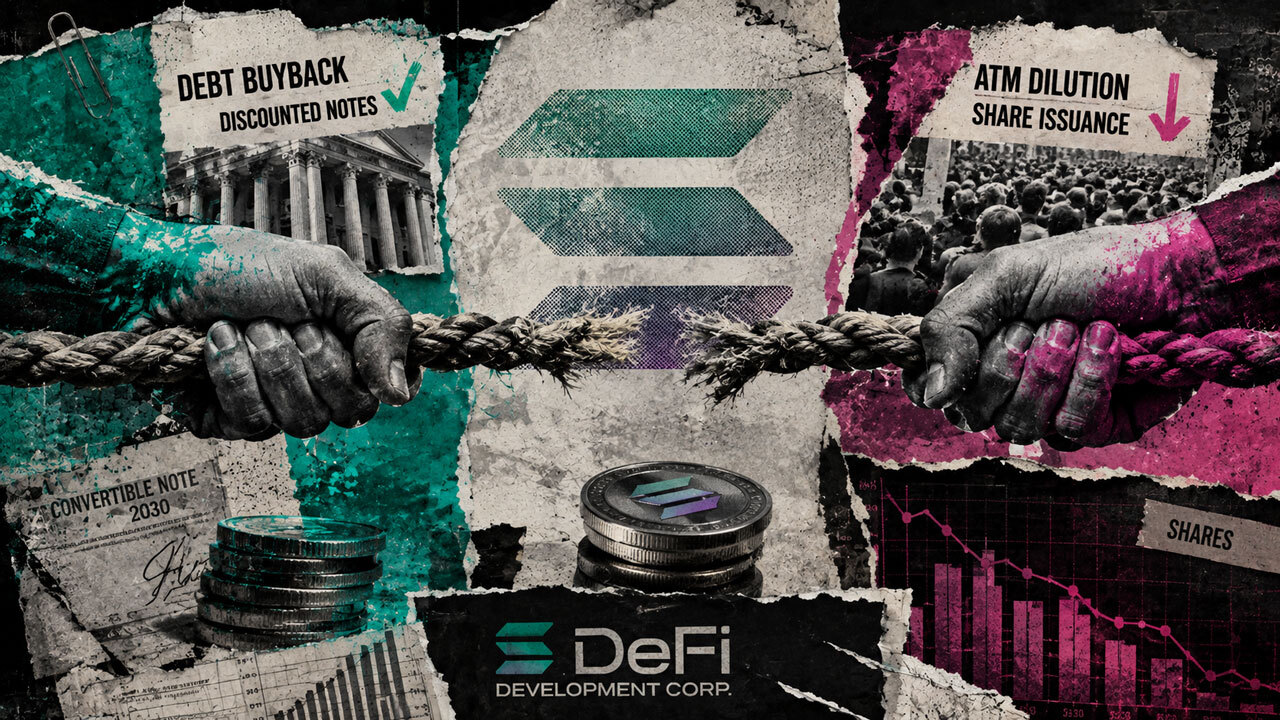
The financial mechanics here are worth dissecting. The company managed to retire roughly $3.5 million of principal for about $2.3 million. On the surface, that looks like efficient debt management. However, they also issued approximately 478,000 new shares just to keep the lights on and cover operating costs. When a treasury company starts diluting equity to pay for day-to-day operations while simultaneously killing its primary funnel for new projects, you know the runway is getting shorter.
A $27 million swing in a single quarter isn't just a rounding error. It represents a fundamental miscalculation of market liquidity and the cost of maintaining a massive ecosystem. For builders, this means the safety net is being pulled back. If you were counting on ecosystem grants or accelerator participation to validate your business model, you are now standing on your own two feet.
Why Accelerators Die First
Accelerators are essentially R&D labs for crypto ecosystems. They are expensive to run, require high-touch mentorship, and the failure rate of the companies they produce is staggering. In a bull market, you can afford to miss on 90% of your bets if the other 10% become unicorns. In a period of contraction, that 90% burn becomes an anchor.
Shutting down the SOL accelerator is a pragmatic, if painful, admission. It suggests that the treasury can no longer afford to scout for the "next big thing." Instead, they are focused on preserving the value of what already exists. For the teams currently building on Solana, the competition for remaining resources is about to get much more aggressive. The bar for what constitutes a "viable" project has just been raised significantly.
What This Means for Ecosystem Builders
If you are currently building in the Solana space, or considering it, there are three things you need to take away from this reversal. First, the narrative of "unstoppable momentum" is a marketing tool, not a financial reality. Even the largest players are susceptible to liquidity crunches and bad quarterly performance.
Second, equity dilution for operating expenses is a red flag. When the entities meant to support the chain are selling off pieces of themselves to pay the rent, the ecosystem's leverage is decreasing. You should be looking at your own burn rate with fresh eyes. If you were relying on the treasury to be your lender of last resort, it's time to find a new plan.
Third, this might actually be a healthy consolidation. We’ve seen too many projects launch on Solana that only existed because the barrier to entry was lowered by these very accelerators. By removing the training wheels, the ecosystem will likely see fewer projects, but the ones that survive will be the ones with actual product-market fit and sustainable revenue models.
The Skeptical Founder’s Takeaway
I’ve seen this cycle play out in every tech boom since the early 2000s. The first sign of trouble is always the marketing and "community growth" budgets getting slashed. The closing of the accelerator is the canary in the coal mine. It tells us that the treasury is no longer prioritizing the future; it is trying to survive the present.
Building in a vacuum is easy. Building when the primary treasury is retracting and your peers are getting cut is the real test of a founder.
The $27 million reversal isn't a death knell for Solana, but it is a reality check. The flashy demos and high-speed promises are hitting the cold, hard reality of balance sheets. For the builders who remain, the goal shouldn't be to get the next grant. The goal should be to build something that people actually pay for, independent of whether the ecosystem treasury is having a good quarter or a disastrous one.
We are moving from an era of subsidized innovation to an era of earned growth. It’s going to be quieter, it’s going to be harder, and for the people who actually know how to build businesses, it’s exactly where you want to be.
Read the original at CryptoSlate →