The Absurdity of Modern Philanthropy
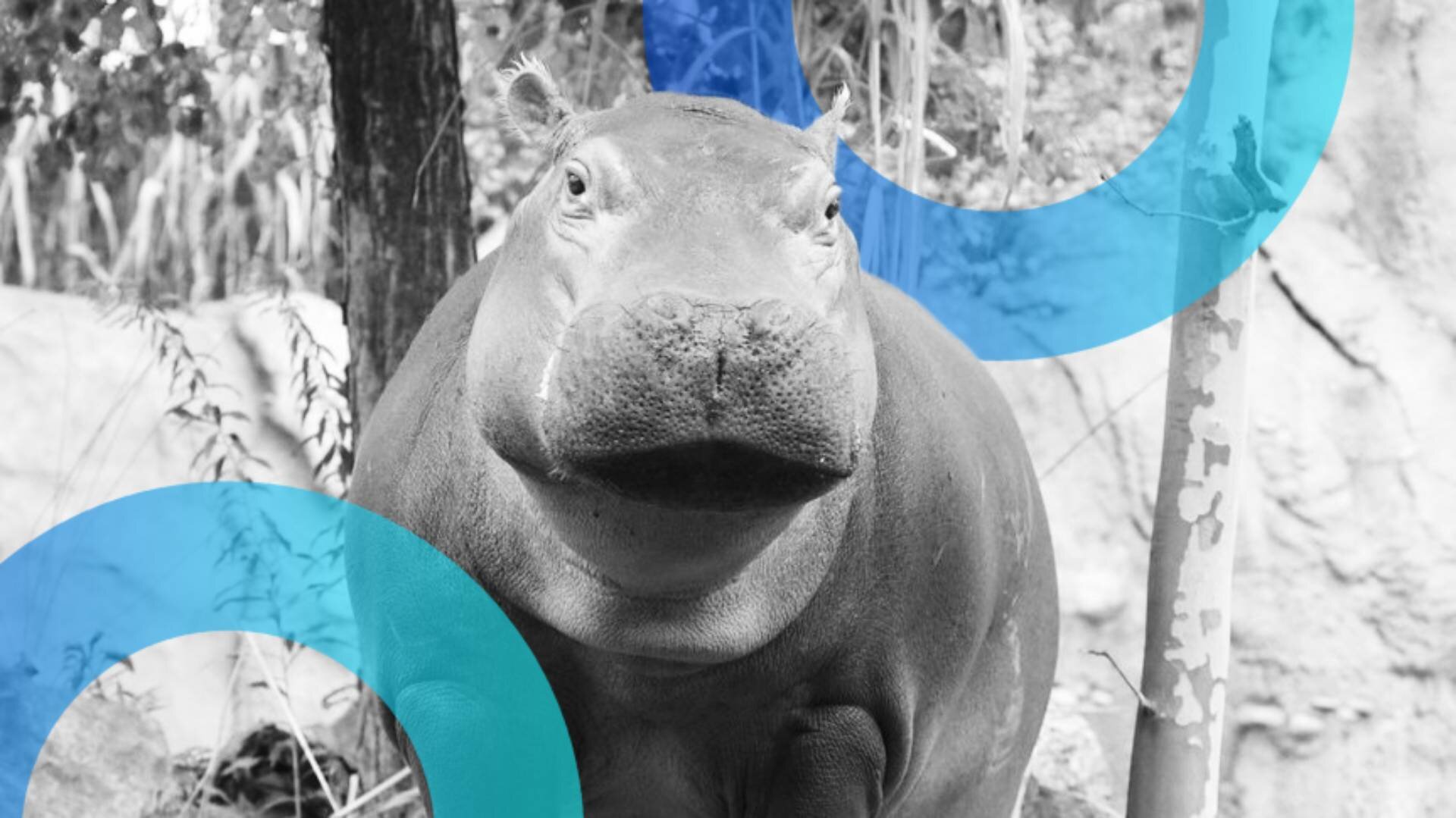
If you told me ten years ago that a digital token named after a baby hippo in Ohio would generate a six-figure donation for a zoo, I would have told you to go back to sleep. But here we are. A Solana-based meme coin dedicated to Fiona, the world-famous hippo at the Cincinnati Zoo, recently sent $100,000 to the zoo’s nonprofit arm. It is a weird, chaotic, and oddly effective example of how the current crypto cycle operates.
As a builder, it’s easy to look at the meme coin frenzy with a healthy dose of skepticism—or even resentment. While developers are grinding away on complex ZK-rollups or decentralized infrastructure, a token launched in minutes on a platform like Pump.fun is sucking up all the liquidity and attention. But the Fiona story highlights a shift in how value is captured and redistributed. It is no longer just about utility; it is about community-driven attention assets.
The Mechanics of the Donation
The developer behind the FIONA token didn't just dump their supply on retail investors. Instead, they took a portion of the creator rewards and transaction taxes and funneled them directly toward the Cincinnati Zoo. This wasn't a corporate PR move planned over six months in a boardroom. It was a grassroots, internet-native response to a shared cultural icon.
For the zoo, this money is real. $100,000 can fund a lot of conservation work, animal care, and educational programming. They likely don't care if the funds came from a sophisticated venture capital firm or a group of degens trading a hippo coin on a Tuesday afternoon. The blockchain doesn't care either. The transaction settled, the value transferred, and the impact was made.
Why Builders Should Pay Attention
I’ve always said that builders shouldn't ignore meme coins, even if they never plan to launch one. Meme coins are the ultimate stress test for onboarding and liquidity. They represent the purest form of user sentiment. When a community rallies around a token like FIONA, they are signaling what they care about. In this case, it was a mix of nostalgia, animal welfare, and the hope for a quick return.
If you are building a product, you have to ask yourself: How can I tap into that same level of organic coordination? You don't need a mascot, but you do need a reason for people to care beyond the technical whitepaper. The FIONA donation shows that crypto communities are looking for ways to legitimize their existence. They want to prove that they aren't just gambling in a vacuum.
The Risks of the Meme-to-Charity Model
Before we get too celebratory, we have to look at the dark side. For every FIONA that makes a legitimate donation, there are a thousand rug pulls that leave investors broke. The volatility of these assets means the $100,000 donation could have been $10,000 or $1,000,000 depending on the hour the developer decided to click 'send.'
Furthermore, relying on meme coins for charitable funding is incredibly unsustainable. It is a flash-in-the-pan model. The Cincinnati Zoo can't build a long-term budget based on the hope that the next viral animal token chooses them as a beneficiary. This is 'windfall philanthropy'—great when it happens, but dangerous to depend on.
The Regulatory Gray Area
There is also the looming shadow of regulation. When a token creator promises that a portion of fees will go to charity, they are walking a fine line. Does that make it a security? Does it create a different set of tax obligations? Most meme coin creators aren't thinking about this, but builders who want to incorporate social impact into their smart contracts must. We need better frameworks for 'on-chain giving' that don't rely on the whims of an anonymous dev.
The real innovation here isn't the token itself; it's the fact that $100,000 moved from a decentralized speculation pool to a legacy nonprofit without a traditional middleman taking a massive cut.
The Future of Culturally-Driven Capital
We are entering an era where culture and capital are the same thing. The FIONA token is a precursor to a world where every community, every cause, and every local landmark has its own liquid economy. Builders who understand this will create the tools that make these transactions safer, more transparent, and more durable.
Instead of just laughing at the hippo coin, look at the infrastructure that allowed it to happen. Solana’s low fees made it possible for small-time traders to participate. Fast finality meant the donation could be executed instantly. These are the building blocks we should be focusing on. We need to build the 'rails' so that when the next cultural moment happens, the value generated can be captured and used for something more than just speculative gain.
A Lesson in Authenticity
The reason this specific donation worked is that it felt authentic to the community. People love Fiona. She’s a survivor, a mascot for the city of Cincinnati, and a genuine internet celebrity. The token tapped into an existing reservoir of goodwill. If you try to manufacture this with a boring corporate 'social responsibility' token, it will fail. You can't code heart into a project, but you can build systems that allow heart to express itself financially.
The Takeaway for the Ecosystem
The FIONA donation is a win, but it’s also a challenge. It challenges builders to think about how we can move past the 'casino' phase of crypto and into the 'utility' phase without losing the energy and excitement of the community. We need to create more pathways for real-world impact that don't require a viral hippo to succeed.
Keep building the boring stuff—the wallets, the bridges, the security protocols. Because when the next meme coin decides to do something good, it’s your code that will make sure the money actually gets where it needs to go. We are building the financial operating system for the next century. Sometimes that means processing payments for a zoo because of a hippo token. It’s weird, it’s noisy, but it’s progress.
Read the original at Decrypt →