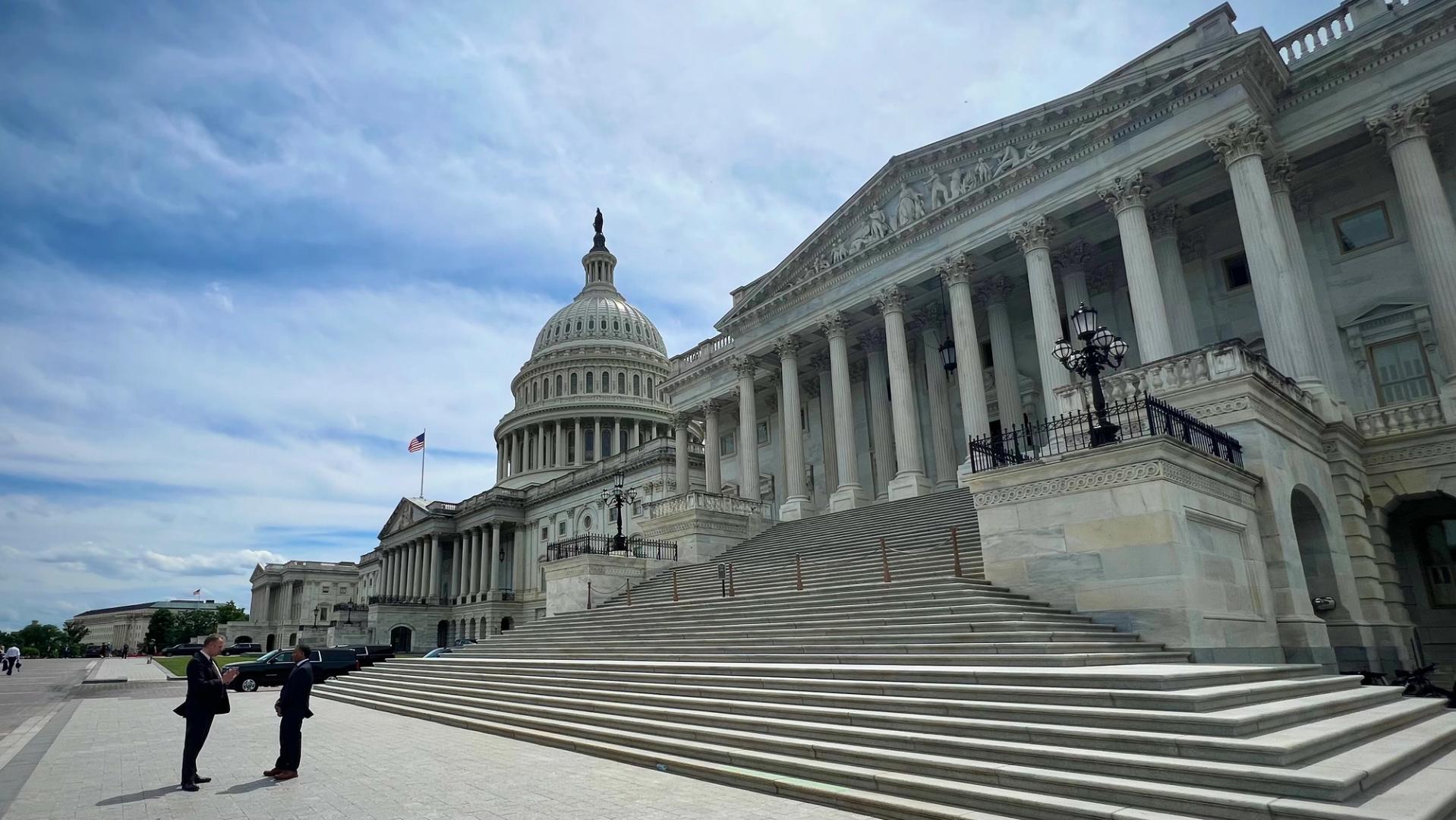
In this industry, we spend a lot of time waiting for a signal that never seems to come. We look at the legislative calendar like it is a weather report for a desert. But lately, there is a bit of noise coming out of D.C. regarding the Clarity Act. Sources suggests a fresh draft might hit the floor this week. For those of us building in the trenches, the question is simple: is this real progress, or just another exercise in beltway branding?
The Long Game for Stablecoins
The Clarity Act has been the white whale of crypto regulation for several cycles now. At its core, it is supposed to be the rulebook for stablecoins. It is intended to define who can issue them, what assets can back them, and how the government is allowed to step in if things go south. For a founder, this is the most boring but necessary part of the stack. You cannot build a global financial application on a foundation that might be declared illegal on a Tuesday afternoon.
We have seen various versions of this bill stall out before. Usually, the friction point is the division of power between federal regulators and state bodies. The states, particularly New York, have been doing this for a long time. They do not want to hand over their sandbox to the feds. Meanwhile, federal agencies want a uniform standard to prevent a race to the bottom where issuers flock to the state with the weakest rules.
Why the Timing Matters
Washington works on a cycle of momentum. If this draft actually surfaces this week, it tells us that certain behind-the-scenes compromises have finally been reached. In the past, the sticking points were not just about the technicalities of sub-one-to-one backing; they were about political optics. Nobody wants to be the politician who signed off on the next big collapse. But they also do not want to be the ones who chased the entire industry to offshore jurisdictions.
For builders, the timing is critical because the market is maturing faster than the laws. We are seeing major traditional finance players moving into tokenized funds. These institutions do not move without a clear legal pathway. A new version of the Clarity Act would provide a signal to the big banks that the water is safe. If you are a startup founder, that means your competition is about to get much bigger, much richer, and much more institutional.
The Skeptic's View
I have seen this movie before. Every few months, we get a leak that a major bill is just around the corner, only for it to be gutted in committee or used as a bargaining chip for a completely unrelated piece of legislation. We need to be honest about the hurdles. Even if a draft drops this week, it still has to survive the partisan meat grinder. This is an election cycle, and in an election cycle, nothing is pure. Everything is a point for one side or a jab at the other.
There is also the risk of over-regulation. Sometimes "clarity" is just a polite word for "restriction." If the new draft imposes capital requirements that only a trillion-dollar bank can meet, it effectively kills the chance for a decentralized or mid-sized issuer to compete. That is not innovation; that is protectionism. As founders, we have to look closely at the fine print. Are they regulating the technology, or are they regulating the competition?
What Builders Should Watch
If you are actively developing products that rely on stablecoin liquidity, there are three things you should look for when this draft hits the public eye. First, look at the definition of an issuer. Is it broad enough to catch every small project, or does it focus on systemic risks? Second, look at the transition period. If the law goes into effect overnight, it creates chaos. We need a path for existing projects to come into compliance.
Third, and most importantly, look at how it treats algorithmic models. The ghost of Terra still haunts these halls. If the bill takes a scorched-earth approach to anything that isn't 100% backed by cash and treasuries, it might stifle the next generation of decentralized finance. We need room for experimentation, provided the risks are transparent and the users are informed.
The Reality Check
The state of crypto is often described as a choice between total freedom and total control. The truth is usually somewhere in the middle, and it is usually quite messy. If the Clarity Act moves forward, it won't be perfect. It will likely be a compromise that leaves everyone slightly unhappy. But in the world of business, an imperfect rule is often better than no rule at all. Uncertainty is the biggest tax on a startup.
We are watching these signs of life with a healthy dose of skepticism. The industry has become resilient precisely because it learned to grow in a vacuum of leadership. Now that the leaders are finally showing up to the table, we have to make sure they don't break the very things we spent a decade building. This isn't just about price action or market cycles; it is about the plumbing of the future internet.
- Watch the federal vs. state jurisdiction split.
- Check the capital requirement hurdles for smaller teams.
- Look for language that clarifies the role of the SEC and CFTC.
- Do not assume a draft means a law; there is a long road to the President's desk.
At STKR News, we aren't interested in the pump. We are interested in the infrastructure. If the Clarity Act provides a solid floor, then the next level of building can begin. If it is just another political football, then we keep our heads down and keep shipping. The technology doesn't wait for D.C., but the capital usually does. Pay attention to the draft, but don't bet the farm on it quite yet.
Read the original at CoinDesk →